Animal-Free Antibodies
Antibodies are molecules naturally produced by the immune systems of humans and other animals to identify and fight foreign invaders, such as viruses and bacterial infections. In scientific research, antibodies are crucial tools that are widely purchased and used in nearly every research facility worldwide.
The Cruel Reality: Animals as “Living Factories”
Every year, millions of animals—including rabbits, mice, rats, goats, sheep, llamas, cows, and horses—are used globally to produce antibodies for research and testing. In these procedures, animals are often injected with foreign substances and then repeatedly bled to harvest the antibodies their bodies produce. In the ascites method (often using mice), tumor development causes fluid to accumulate, grossly distending the animals’ abdomens to the point where they may be unable to eat, move, or even breathe properly, resulting in considerable pain and suffering. Dozens of companies in the U.S. produce ascites-derived antibodies, and tens of thousands of mice are still used annually in this particularly painful method, despite advances in non-animal production methods that have made it obsolete.
Bleak Living Conditions and Unreliable Antibodies
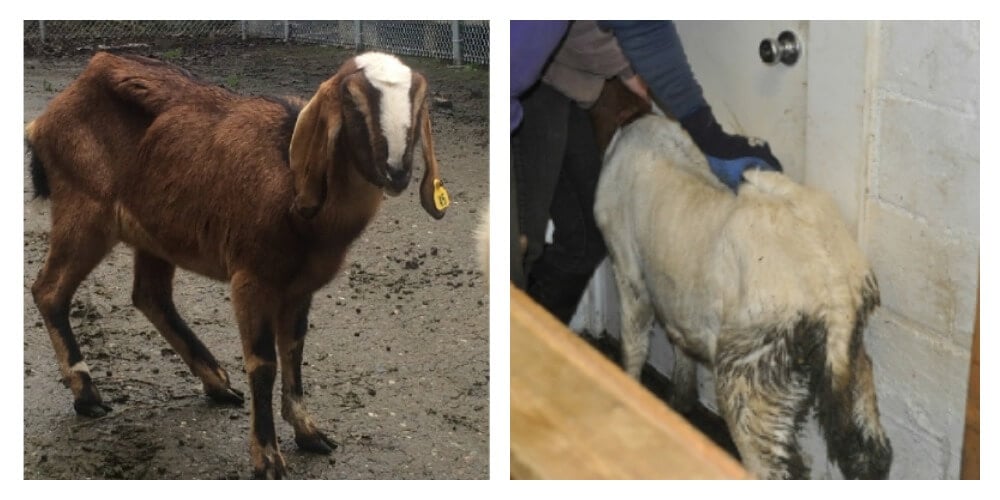
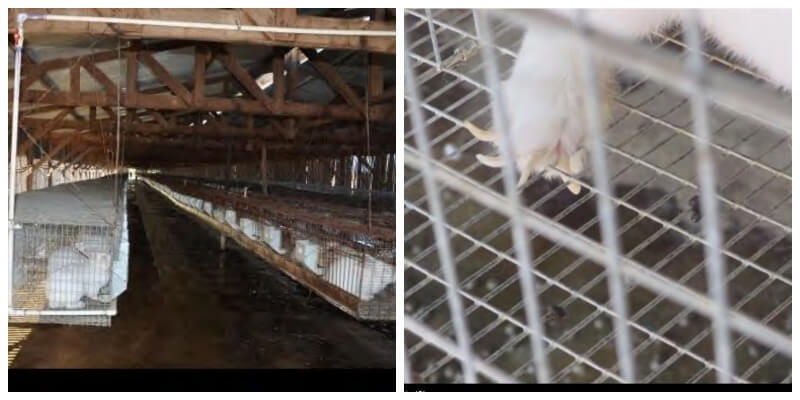
Investigations have shown that animals in antibody-production facilities endure neglect and live in bleak and filthy conditions. For example, inspectors have documented animals living amid piles of waste, suffering from oozing eye infections, untreated ear mite infestations, dangerous head tilts, and chronic pain from overgrown nails. In one incident at LAMPIRE Biological Laboratories, a donkey was killed after escaping the facility with six other donkeys.
Furthermore, these animal-derived antibodies have recognized batch-to-batch variability, which can lead to misinterpretation of results and is a significant contributor to the lack of study reproducibility. A prominent study found that nearly one-third of antibodies don’t do what they’re supposed to: stick to very specific molecules.
The Superior Solution: Animal-Free Antibodies
We do not need to use animals to produce antibodies. Scientifically superior methods are available that enhance research quality while replacing and reducing the use of animals. Recombinant antibodies are considered superior because they are sequence-defined (generated from a known DNA sequence) and are infinitely reproducible. Recombinant antibodies offer numerous scientific advantages, including high affinity and specificity (the ability to specifically identify their intended target), faster generation time, and reliability. Since researchers can use animal-free antibodies in all applications where animal-derived antibodies are currently used, more and more companies have increased production of animal-free recombinant antibodies.
What PETA Scientists Are Doing
PETA scientists are actively working to accelerate the shift to animal-free antibodies, a transition that leading scientists agree must occur.
- Advancing Animal-Free Antibodies: PETA Science Consortium International e.V. has funded research to develop animal-free antibodies that are scientifically superior and can replace those derived from animals.
- Policy and Partnerships: The Science Consortium and the National Toxicology Program Interagency Center for the Evaluation of Alternative Toxicological Methods (NICEATM) gathered experts to outline a plan for a large-scale transition to animal-free antibodies.
- The Recombinant Antibody Challenge: The Science Consortium, along with other organizations, launched the Recombinant Antibody Challenge, which offered grants for free catalog recombinant antibodies for use in in vitro research and testing.
- Holding Companies Accountable: PETA has shed light on the neglect and cruelty that animals endure when used to produce antibodies.
Take Action!
You can help end the reliance on animals as living incubators and support the transition to state-of-the-art, humane science. Show your support for ending the use of animal-derived antibodies and urge universities, scientific associations, and regulatory agencies to develop, fund, and purchase scientifically superior, animal-free antibodies.

PETA supporters recently saved eight horses from being killed in a veterinary laboratory. Use your power once more to ensure the healthy horses are sent to a sanctuary to live in peace!

Please take a moment to thank NIH for its leadership.
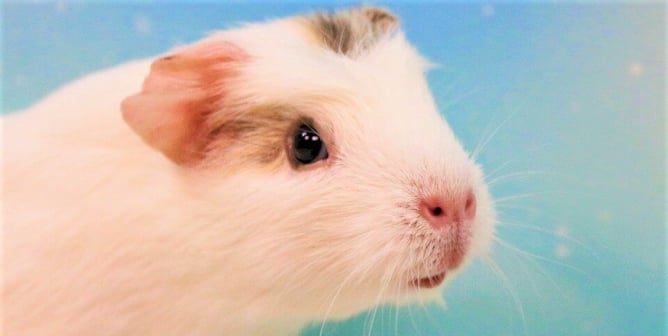
Add your name to a letter that PETA will share with the FDA, showing support for animal-free science to ensure that safe menstrual products are on the market.
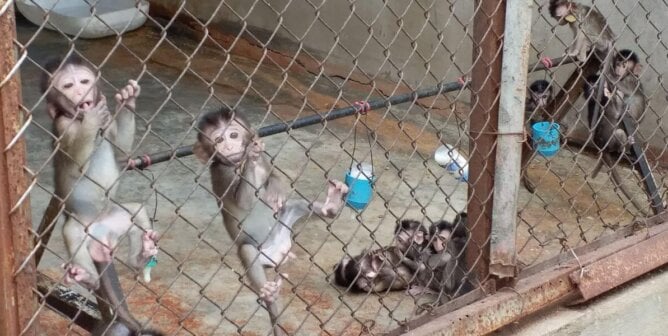
Urge CITES to immediately suspend exports of long-tailed macaques from Southeast Asia.
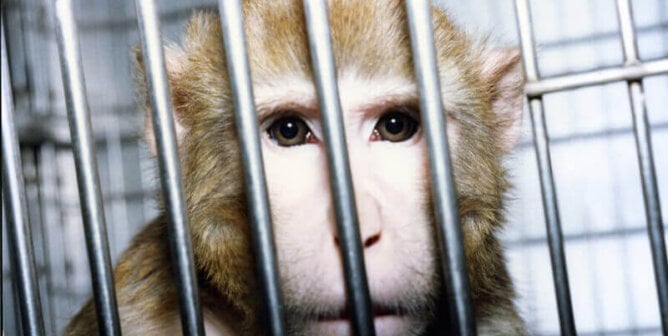
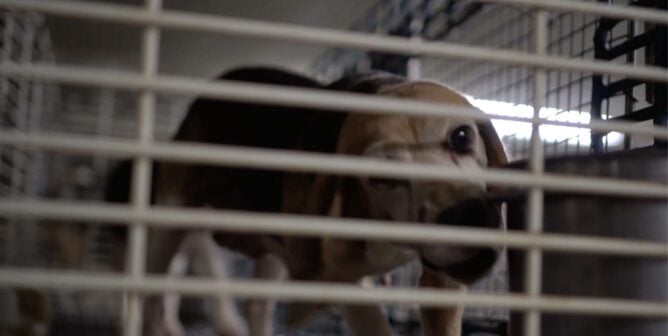
Ridglan Farms sold man’s best friends to the highest bidders, who tormented them in gruesome and deadly experiments. Help give dogs still trapped at Ridglan a second chance.