Helping a Tethered or Chained Dog Left Outside
There are two basic ways to improve the life of a “backyard dog.” In some situations, a quick call to law enforcement is all that’s necessary. In others, it’ll be up to you to build a relationship with the dog’s guardian and get permission to visit and care for the animal. Every case will be different, so carefully assess the situation before you get started.
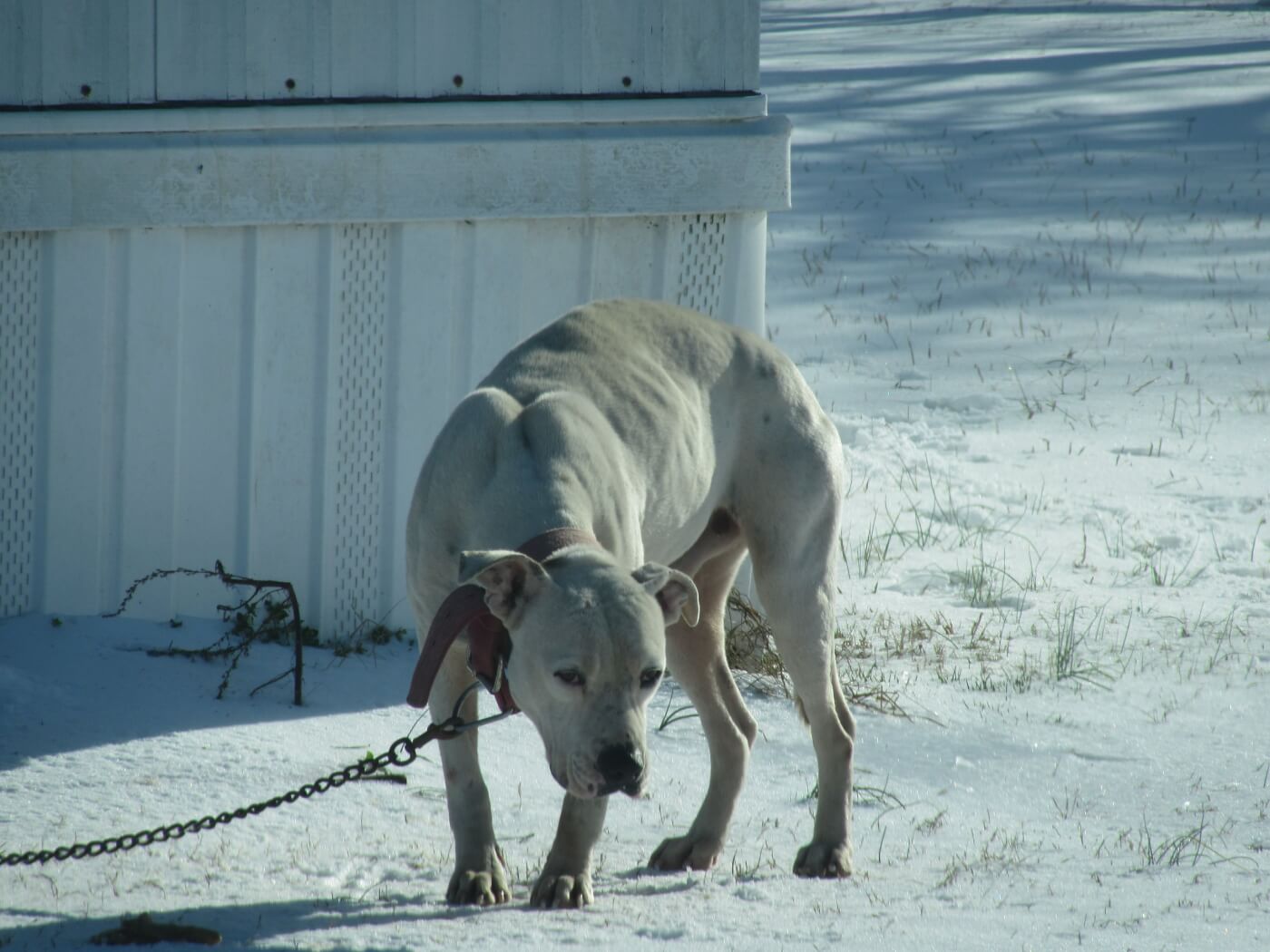
Call Authorities if a Dog’s Life Is in Immediate Danger or if Chaining Is Illegal
Many counties and cities have laws addressing chained or penned dogs. See the list of such places or look up your local law at the library or on Municode.com. Even if your area doesn’t have such a law, backyard dogs must have shelter, adequate food, and clean water, and they must be provided with veterinary care if they are sick or injured.
If a backyard dog is in imminent danger—for example, if the animal is very thin, is obviously ill or injured, or has no shelter or cannot access it—notify authorities immediately. Refer to our guide for more information about what to do if you spot cruelty to animals.
Law enforcement officials are unlikely to remove dogs from such situations unless their lives are truly in danger. Err on the side of safety, of course. But unless you’re unwilling to work with the dog’s guardians or you’ve already exhausted that option to no avail, don’t call authorities for non-emergency backyard dog cases—the dog probably won’t be removed from the situation, and the guardians will be less likely to allow you to visit or help the dog.
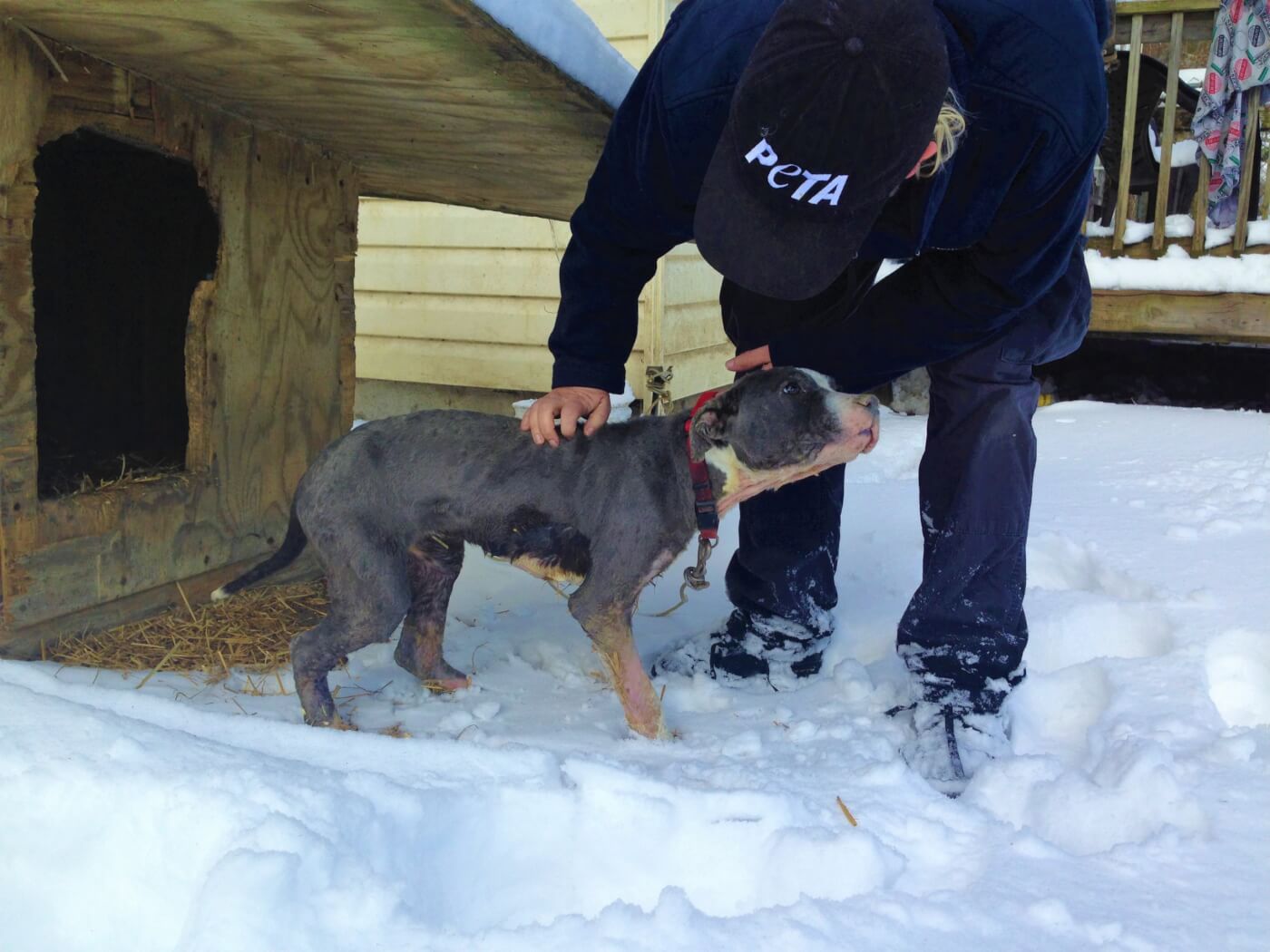
Work With Guardians to Help Backyard Dogs in Non-Emergency Situations
Your best chance of helping dogs in non-emergency situations is probably to befriend the dogs’ guardians.
Using anything other than a polite approach will probably make them angry and hurt your chances of making a difference. You may be pleasantly surprised—sometimes guardians help their animals themselves after just one conversation.
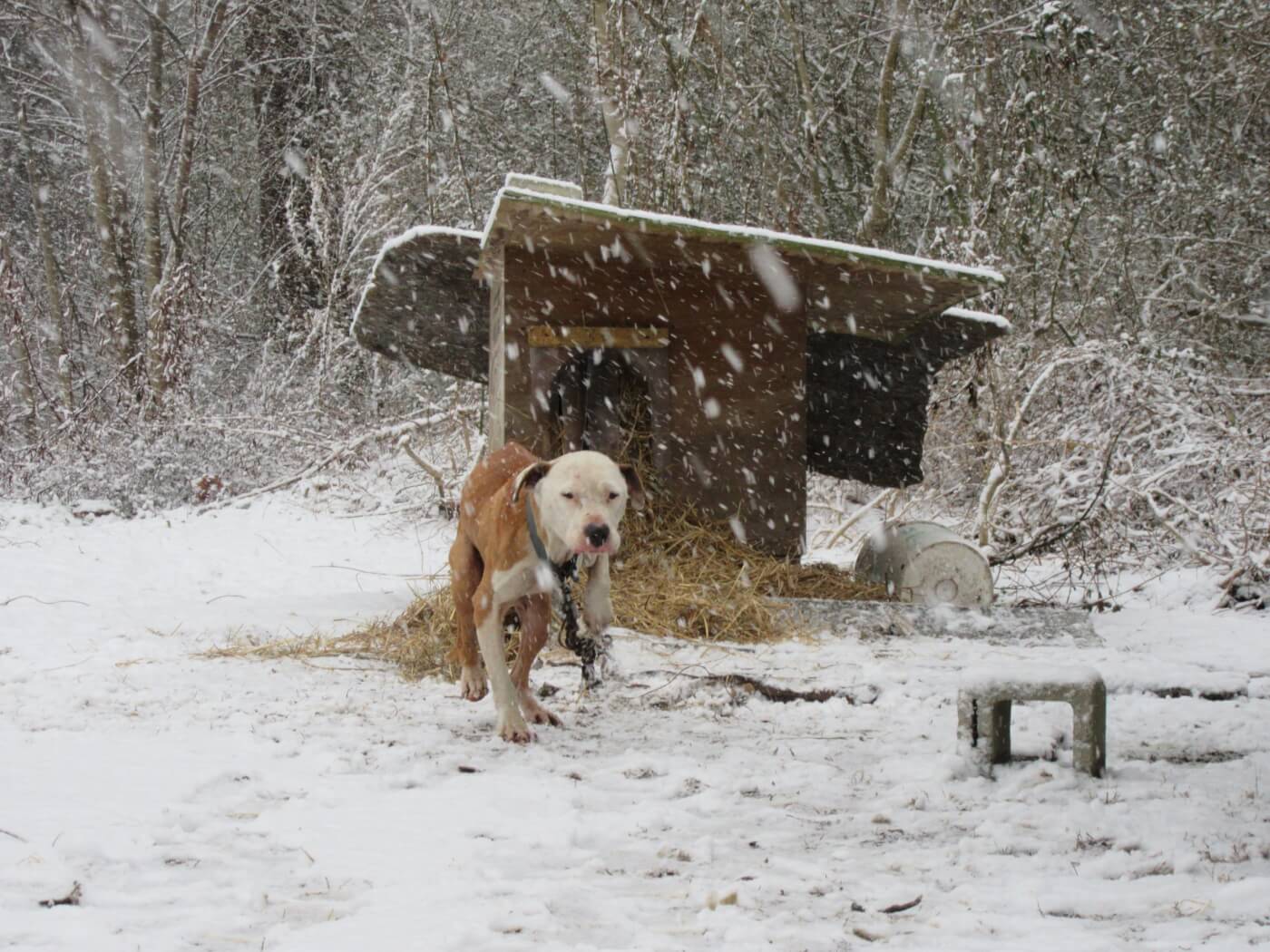
Begin by talking to owners about what their dogs need. Avoid being confrontational. Consider starting the conversation by talking about your experiences with your own dog or by mentioning that you recently learned some new facts about dogs, such as the following:
- Dogs crave companionship. They aim to please their guardians, and they really want to spend time with them and live with them indoors. Dogs are healthiest and happiest when they are indoors safe from the many hazards that can harm them or even reduce their life expectancy.
- Dogs left outside need sturdy shelter to protect themselves from rain, snow, cold, and wind and to provide shade in the summer. Plastic houses or barrels are better than nothing, but they offer no protection from the cold, and they heat up quickly in the summer. A waterproof, sealed wooden house with the floor elevated a few inches off the ground and with a flap over the entrance is better. Houses should be small enough to allow a dog’s body heat to warm the interior but large enough to allow the dog to get inside, stand up, turn around, and lie down.
- When the temperature drops below 45 degrees, straw (available at feed stores) must be placed inside doghouses in order to keep dogs warm. Blankets, clothing, and towels only make conditions worse when they get wet and freeze.
- Dogs need an adequate amount of food every day. Food should be provided in a dry, clean dish, not tossed on the ground. Remind dog owners to give dogs more food in the winter when more calories are being burned in order to keep warm.
- Dogs need fresh water every day. Water should be placed in a heavy bucket or an anchored bowl to prevent it from tipping over. (Putting the bucket inside a car tire works well.) Water helps to prevent heat exhaustion in the summer. It must be checked frequently in the winter to make sure that it hasn’t frozen. Dogs can die of dehydration on even the coldest day without water.
- Backyard dogs should be checked frequently for fleas, mites, and worms, which rob them of the nutrition that they need and can cause them to be tormented by extreme itchiness.
While you work with the dog’s owner to protect the animal’s physical health, don’t forget to give the dog some attention and playtime too. A happy dog has toys, goes for walks, and spends time with people and/or other dogs. The following are some ideas:
- Ask permission to take the dog for walks.
- Offer some toys to the dog (with the owner’s approval).
- Visit the dog regularly (but be careful not to become a nuisance; follow your instincts based on the guardian’s level of cooperation).
Many dogs have eventually been given to people who have cared for them, all because of patient and friendly intervention. If you are offered or given a backyard dog—even if you cannot give him or her a permanent home—graciously accept the animal. See our tips on how to find an animal a good home.
Urgent Alerts

Update (April 3, 2024): The mayor’s office has confirmed that the abuser has been sanctioned and the dog has been removed from his custody. The dog has reportedly been adopted by a loving family. Thank you to all who spoke out in behalf of this animal! Original post: PETA has been alerted to a viral … Read more »
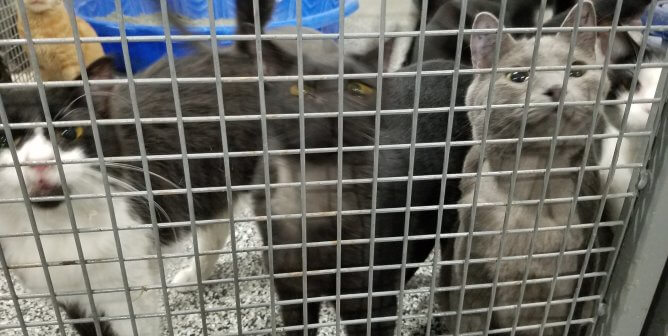
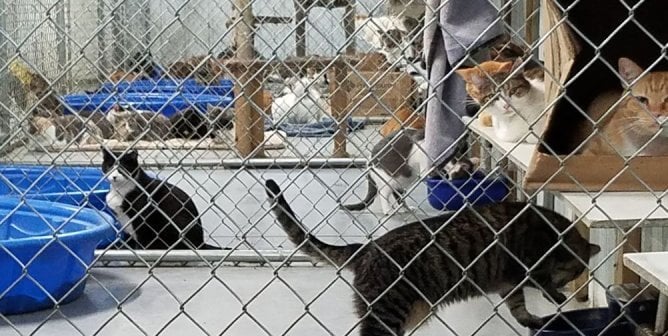

Please contact the following Miller County authorities to demand urgent intervention in behalf of these animals, with consideration given to the filing of charges (if appropriate) and the prompt confiscation of the dogs. Remind officials that the public will hold them accountable if these animals are allowed to freeze to death.