
Shellfish Toxicity Testing
Shellfish toxicity refers to poisoning that can occur after eating toxic shellfish, such as mussels, clams, oysters, or scallops. Depending on the type of shellfish poisoning, symptoms in humans are wide-ranging. These can include abdominal pain, diarrhea, vomiting, respiratory effects, headache, cognitive impairment, and memory loss. In severe cases, respiratory failure, paralysis, coma, and death have been reported.
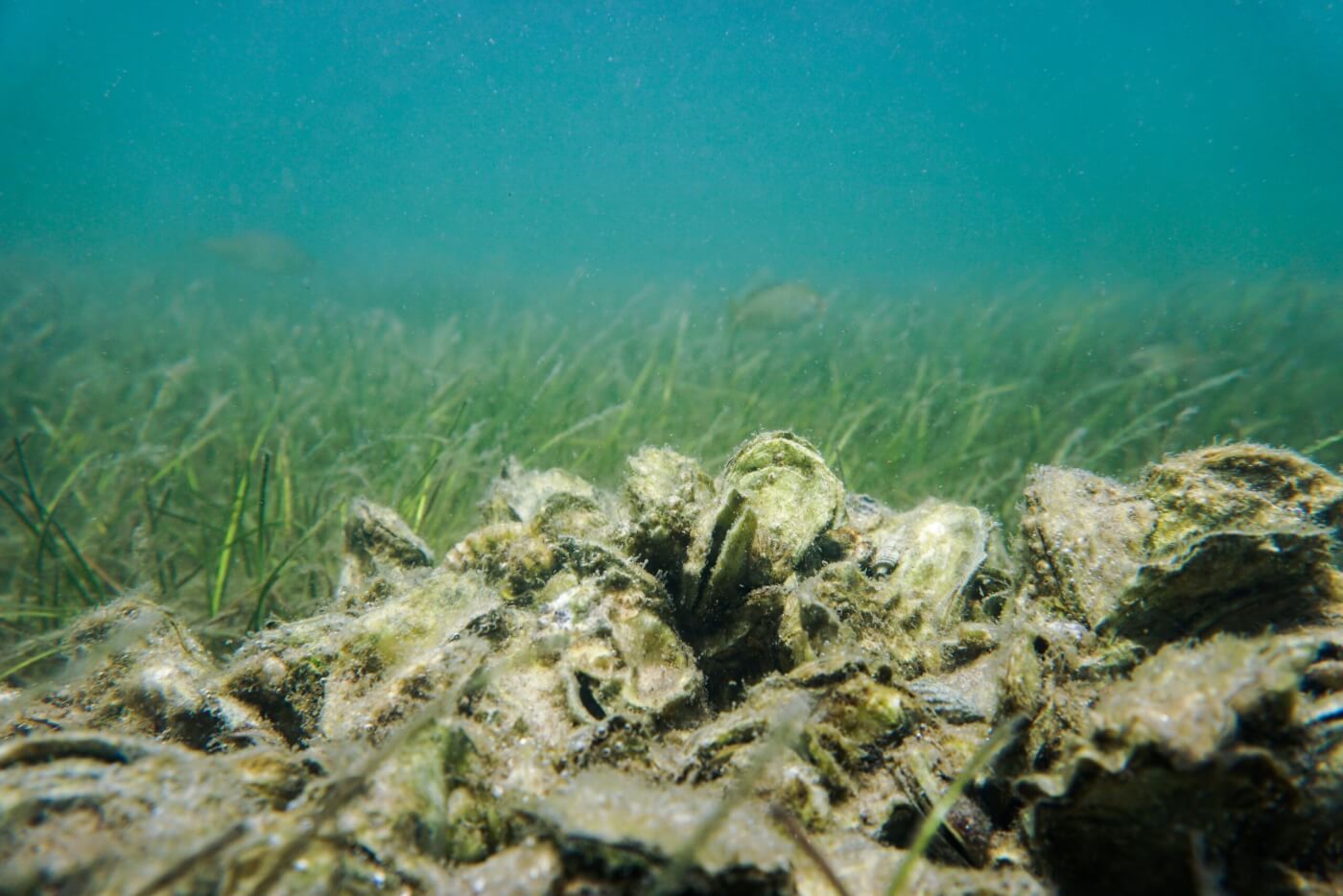
These symptoms occur because shellfish can accumulate toxins from microscopic algae found in the water. Many shellfish are “filter feeders,” meaning they pump water through their bodies to capture food particles. In doing so, they can also consume toxin-producing algae and accumulate these toxins in their bodies. This can lead to various types of poisonings when eaten by humans, such as paralytic shellfish poisoning, amnesic shellfish poisoning, and diarrhetic shellfish poisoning.
The easiest way to avoid shellfish poisoning is not to eat these sensitive animals. But, because large numbers of shellfish are consumed by humans each year, state agencies regularly test shellfish to determine when they may make humans sick.
Testing Shellfish Poisoning on Animals
Animals are often used to test for the presence of toxins in shellfish. In these tests, blended shellfish are injected into mice’s abdomens without painkillers. When toxins are present, they can cause animals to experience severe shock and trauma before their inevitable death sentence. The level of toxicity is based on how long it takes the mice to take their last gasping breath.
Because of biological differences, how toxins affect mice can differ from how they affect humans. For example, small amounts of metals or concentrated salt may be present in the shellfish. These materials may be toxic to mice yet have no impact on human health, leading to unreliable test results. In addition, the way these tests are conducted does not reflect real-world human exposures—while some humans choose to eat shellfish, no one consumes them by injecting them into their abdomen.
Studies show that these tests on animals may underestimate a sample’s toxin content by as much as 60 percent. There is no scientific evidence that the current methods of injecting mice with shellfish can identify new types of toxins. This means that even after conducting these cruel tests, humans are still at risk of poisoning.
Non-Animal Methods to Test Shellfish Toxicity
Fortunately, multiple non-animal methods have been developed to test for shellfish poisoning and replace injecting mice. These methods tend to be more specific and sensitive, providing stronger protection for humans. For example, high-performance liquid chromatography (HPLC) can separate a sample into its individual components, allowing scientists to accurately detect and measure specific toxins. In another non-animal method, liquid chromatography–tandem mass spectrometry, these components are further analyzed by mass to confirm their identities and detect very low levels of a toxin.
Tests on mice cannot discriminate between toxins, including those that are not human health threats. In some cases, laboratory data have shown that non-animal testing can provide earlier warnings of toxins present in ocean water and detect toxin levels that would have been missed if using animals. Further, analysts familiar with non-animal methods and evaluating toxin profiles in a given region should be able to identify unusual results that could indicate an emerging toxin
Progress Toward Non-Animal Testing
Whether animal or non-animal methods are used varies by state, with many states still testing shellfish toxicity in mice. Injecting mice continues to be used because it has been used for decades; therefore, scientists and state agencies are familiar with it. In addition, less technical expertise is needed to conduct the crude test on animals. Yet further advancement of non-animal methods and knowledge of how to use them is growing.
Progress is already underway around the world. In the European Union, non-animal methods have replaced the mouse test for all known types of shellfish toxins. The United Kingdom has also ended the use of the test in mice, and momentum is building for the United States to follow suit.
PETA has helped drive progress in the United States by funding a critical license, enabling a non-animal test method developed by the Food and Drug Administration to be used in the country. Today, PETA scientists continue working to advance the use of non-animal methods.
Please send a short, polite comment to the TFDA thanking them for proposing the new draft regulations and urging them to finalize them so no more animals die for blood sugar or blood lipid tests.
Sign the petition urging the FDA to immediately update its requirements to allow manufacturers to readily use an animal-free test method.
Update (August 12, 2026): VICTORY! After hearing from PETA and over 21,000 supporters, Taiwan adopted some of the world’s strongest enforcement measures for laboratories that experiment on animals, allowing authorities to halt approvals for new experiments at facilities that fail animal welfare inspections until violations are corrected. Under the new rules, laboratories that fail those … Read more »
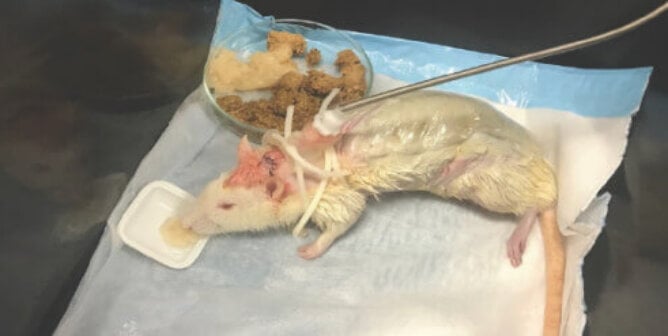
Urge Secretary of War Pete Hegseth to cut waste, fraud, and abuse by banning the Pentagon from funding foreign experiments on animals.
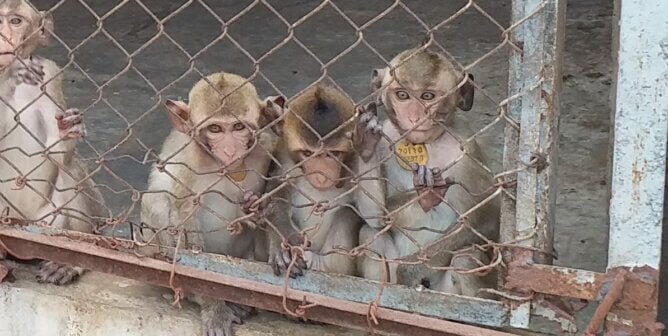
The bill will finally stop the intense suffering monkeys have endured for generations at the hands of U.S. experimenters and importers. Take action to help!

The parent company of one of Hong Kong’s most popular online shopping platforms is severing animals’ heads and limbs in dozens of deadly experiments.