Animals Used for Food
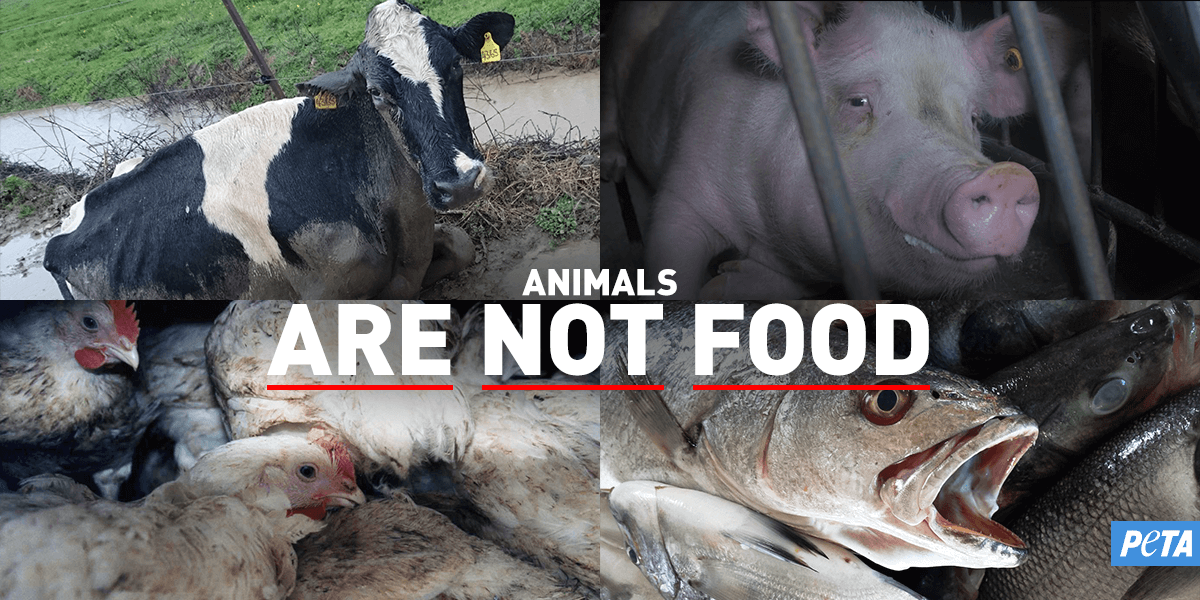
Virtually all animals used for food in the U.S. are kept by the thousands in filthy, windowless sheds on industrial-scale farms.
The animals are often housed in wire cages, metal crates, or crowded pens that prohibit them from moving freely or engaging in their natural behaviors.
Chickens, pigs, cows, and other animals raised for food never raise their young, root in soil, build nests, forage, or do anything else that is natural and important to them. Most farmed animals don’t feel the sun or breathe fresh air until the day workers load them onto trucks bound for slaughterhouses.
The commercial fishing industry catches trillions of fish along with “nontarget” animals, including sharks, sea turtles, birds, seals, and whales every year.
Animals aren’t ours to eat—they’re unique, feeling individuals with their own wants and needs.
Fast Facts About Animals Used for Food
- According to an analysis by the Sentience Institute, 99% of animals used for food in the U.S. live on large-scale, industrialized farms.
- Chickens are killed in greater numbers than any other land animal, according to the Food and Agriculture Organization of the United Nations. In 2024, more than 76 billion chickens were slaughtered worldwide.
- Labels like “humanely raised” and “cage-free” mislead consumers. PETA undercover investigations have revealed that products labeled “humane” still hurt animals at a massive scale in cramped, filthy spaces.
- Two-thirds of all agricultural land in the U.S. is used to raise animals for food or to grow crops such as soy and corn to feed them.
- Chickens, pigs, cows and steers, and other animals raised for food are the primary consumers of water in the U.S.: A single pig consumes 3-6 gallons of drinking water per day, while a cow on a dairy farm drinks as much as 50 gallons daily.
How Does PETA Help Farmed Animals?
PETA investigators go inside farms and slaughterhouses, and work with whistleblowers to expose how animals are often neglected, beaten, and forced to live in dirty, crowded conditions.
PETA entities work behind the scenes with companies to get delicious vegan options added at restaurants around the world.
PETA’s hard-hitting campaigns, ads, articles, and bold protests inform the public about how animals are raised, transported, and killed for food.
How Many Animals Are Killed for Food Every Year?
According to annual data from the USDA, billions of animals die every year in the U.S. alone:
- 9 billion chickens
- 200 million turkeys
- 129 million pigs
- 31 million ducks
- 29 million cows
More fish are killed for food each year than all other animals combined, as trillions of fish and shellfish are slaughtered annually.
What Is ‘Factory Farming’?
Most animal-derived foods sold in the U.S.—including meat, eggs, milk, and cheese—come from large-scale, industrialized farms known as “concentrated animal-feeding operations”, or “factory farms.”
Modern farms are designed to maximize profit and “efficiency,” so animals are typically kept in crowded conditions, even though this causes many to die from disease or infection before being sent to the slaughterhouse.
How Are Farmed Animals Treated?
Animals used for food are often given so little space that they can’t turn around or lie down comfortably. For example, egg-laying hens are kept in small cages or crowded sheds, chickens and pigs are kept in densely-packed buildings, and cows are kept on crowded, dirty feedlots.
In the U.S., it’s industry standard for workers to mutilate farmed animals: workers sear off part of birds’ beaks, castrate piglets and cut off their teeth and tails, and burn or cut off horn tissue if a calf is born with them.
In almost every case, farmed animals have been genetically manipulated to grow larger bodies or to produce more milk or eggs than they ever would naturally. Some chickens and turkeys grow so large that they cannot support the weight of their own bodies. Unable to stand or walk, they suffer or die from starvation or dehydration when they can’t reach food and water.
Many fish on aquafarms suffer from parasitic infections, diseases, and debilitating injuries, and millions of fish die before farmers can kill and package them for food.
Workers in the foie gras industry shove metal pipes down the throats of ducks and geese three times per day so that fat and grain can be pumped into their stomachs to produce a diseased “fatty liver” up to ten times its normal size.
In the dairy industry, calves are torn away from their mothers hours after birth so that her milk can be used for human consumption instead.
What About Animals on ‘Humane’ Farms?
Animals on organic, “cage-free,” and “free-range” farms often endure the same cruel mutilations, intense crowding, injuries, and stress as those on any other farm.
Animals raised on farms that tout “humane” labels and certifications are typically sent to the same slaughterhouses used by farms that don’t make humane claims.
“Organic,” “natural,” “humane,” “pasture-raised,” “grass-fed,” and “free-range” don’t mean anything to the animals who were killed at a fraction of their age for food no one needs. Meat, eggs, and milk stamped with buzzword marketing claims are filled with the same artery-clogging saturated fat and cholesterol as all other animal-derived foods.
These labels represent little more than a marketing scheme to make consumers feel better—they often mean little to nothing for the animals involved. The only truly humane foods are vegan ones.
How Animals Used for Food Are Killed
When animals’ bodies wear out from producing milk or eggs, they are crowded onto trucks and transported for miles through all weather extremes, typically without food or water.
At the slaughterhouse, the throats of animals who survived the transport are slit, often while they’re still conscious.
Cows, sheep, and goats are typically hung upside down and have their throats slit before being bled, skinned, and dismembered.
Pigs are electrocuted or gassed in a chamber before a worker cuts their throats so their blood pours out. Then, workers use scalding-hot water tanks to loosen pigs’ hair.
Chickens and turkeys are shackled upside down, dragged through electrified water, and then moved past mechanical blades that slit their throats before they enter scalding tanks that remove their feathers.
When stunning fails or slaughter lines move too quickly, animals can remain awake and alert, feeling everything while they’re killed and dismembered.
Most animals killed for food are practically babies, slaughtered after just weeks or months—far short of their natural life expectancy.
The Perks of Going Vegan
Going vegan is good for your health. There is no nutritional need for humans to eat any animal-derived product. All our dietary needs—even as infants and children—are best supplied by vegan foods.
The Academy of Nutrition and Dietetics notes that eating vegan foods reduces the risk of suffering from many chronic degenerative diseases and conditions, including heart disease, cancer, hypertension, diabetes, and obesity.
Being vegan is better for the climate since raising animals for food requires massive amounts of resources and farms produce billions of pounds of feces and urine daily, which ends up in lakes, rivers, and even drinking water.
You Can Help Animals Used for Food
With so many great vegan products at grocery stores and vegan menu items at restaurants, being vegan is easy.
Whether you go vegan for animals, the environment, or your health, you have the power to change the world, simply by changing what’s on your plate.
PETA has all the free resources you need to get started and go vegan, including the following:
- Order PETA’s vegan starter kit, a 22-page magazine with easy recipes, nutrition information, and tips and tricks.
- Check out PETA’s vegan meal plan for inspiration on what to eat.
- Sign PETA’s petitions to get more vegan options added at chain restaurants.
- Share this page with your friends, family, and social media followers. Let them know how easy it is to start making a difference for animals used for food today!

Popular Resources
Going vegan is easier than ever before, but we are here to make it even easier—as easy as 1, 2, 3!
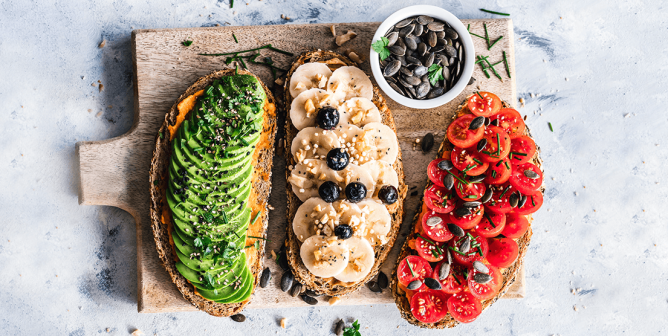
PETA’s free vegan starter kit has everything from recipes and tips on eating out to health information. Order now by filling out the form! Or, order for a friend.
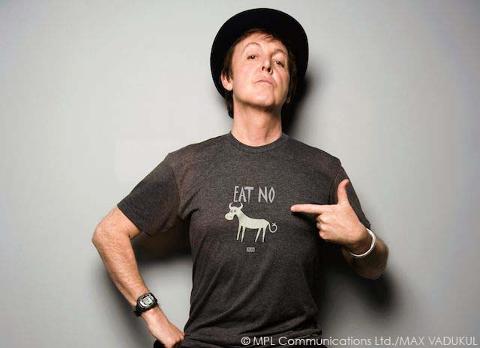
Music legend Paul McCartney delivers a powerful narration of this must-see video. Watch now to discover why everyone would be vegetarian if slaughterhouses had glass walls.

PETA’s chefs have created sample vegan menus featuring simple, easy recipes that anyone can follow.

Your source for great-tasting vegan and vegetarian recipes, information on all aspects of vegan and vegetarian living, news about PETA’s campaigns to stop factory farming, tips and free stuff to help you promote a vegetarian lifestyle.
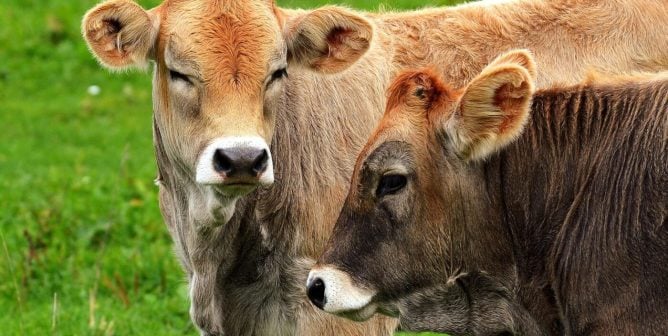
Your source for great-tasting vegan and vegetarian recipes, information on all aspects of vegan and vegetarian living, news about PETA’s campaigns to stop factory farming, tips and free stuff to help you promote a vegetarian lifestyle.