What Made Us Go Vegan and How You Can Join Us
People often ask what made PETA staff members go vegan. Almost none of us grew up vegan; it took a special “lightbulb moment” for us to make that change. For me, it started when I was 18 years old, sitting at a huge table in a noisy restaurant, making small talk with distant relatives. That was me many years ago, visiting my mother’s side of the family in Buffalo, NY. I remember it well—loud voices speaking over one another, glasses clinking, loaves of fresh bread, and plates piled high with spaghetti and greasy meatballs. Well, every plate but one. That plate belonged to my Aunt Sara.
Her meal looked a little different. She had bread dipped in olive oil instead of smeared with butter. She had spaghetti with marinara instead of meat sauce. And no meatballs.
I leaned over and asked why.
She told me she’d written her graduate thesis on what happens inside slaughterhouses. She went vegan while writing that paper. She didn’t share specific details around the dinner table. But she did ask me if I wanted to read her paper. I did.
The next day, she handed me a copy.
I haven’t eaten meat since. Not because she pressured me, but because I finally understood that my choices were connected to someone else’s suffering—those meatballs were ground-up body parts of once-living cows and pigs. Over time, I learned more about dairy and eggs, and stopped consuming those things, too.
If slaughterhouses had glass walls …
Most of us have heard the Paul McCartney quote, “If slaughterhouses had glass walls, everyone would be vegetarian.” My aunt’s paper was my “glass wall.” As I read, I realized the misery behind those meaty meals—and that other animals are individuals who want to live, and who feel fear, pain, joy, and love. Here’s what I saw through those walls:
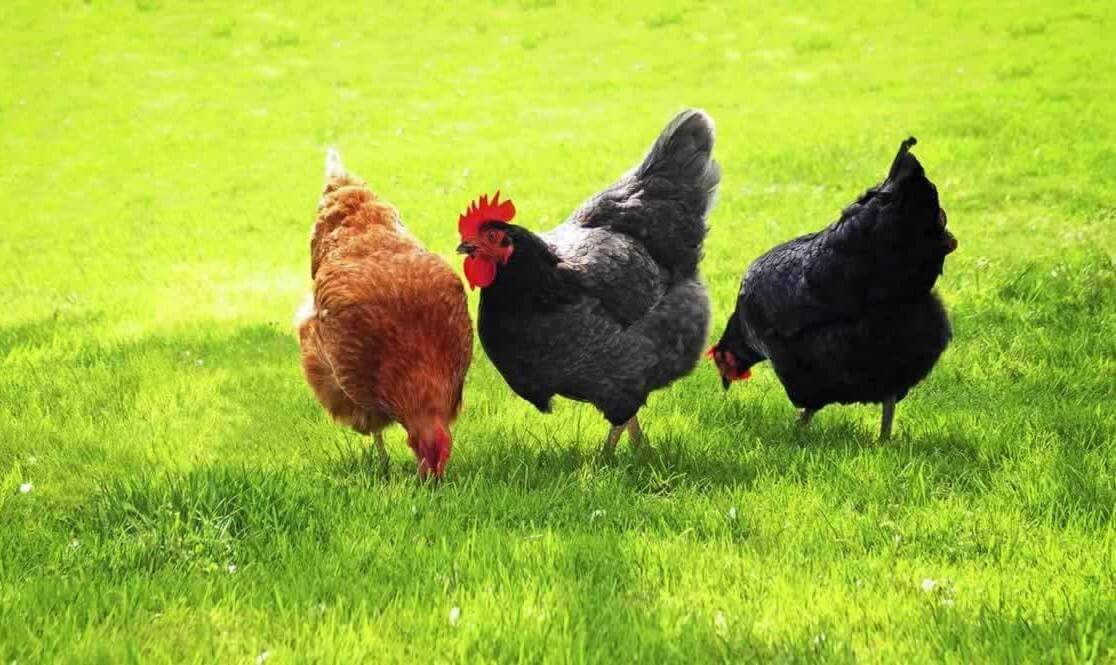
Chickens
Chickens form friendships, call to one another, and nurture their babies. They love to take dust baths, sunbathe, and scratch in the dirt. Workers kill billions of these bright, social birds for their flesh each year, and exploit millions more for their eggs. The “poultry” industry breeds chickens to grow so rapidly that their legs often collapse under their own weight. The egg industry keeps hens in spaces so small they can’t so much as spread their wings. And after a miserable existence, drivers pile them on trucks thousands at a time and haul them to slaughterhouses with no concern for their comfort.
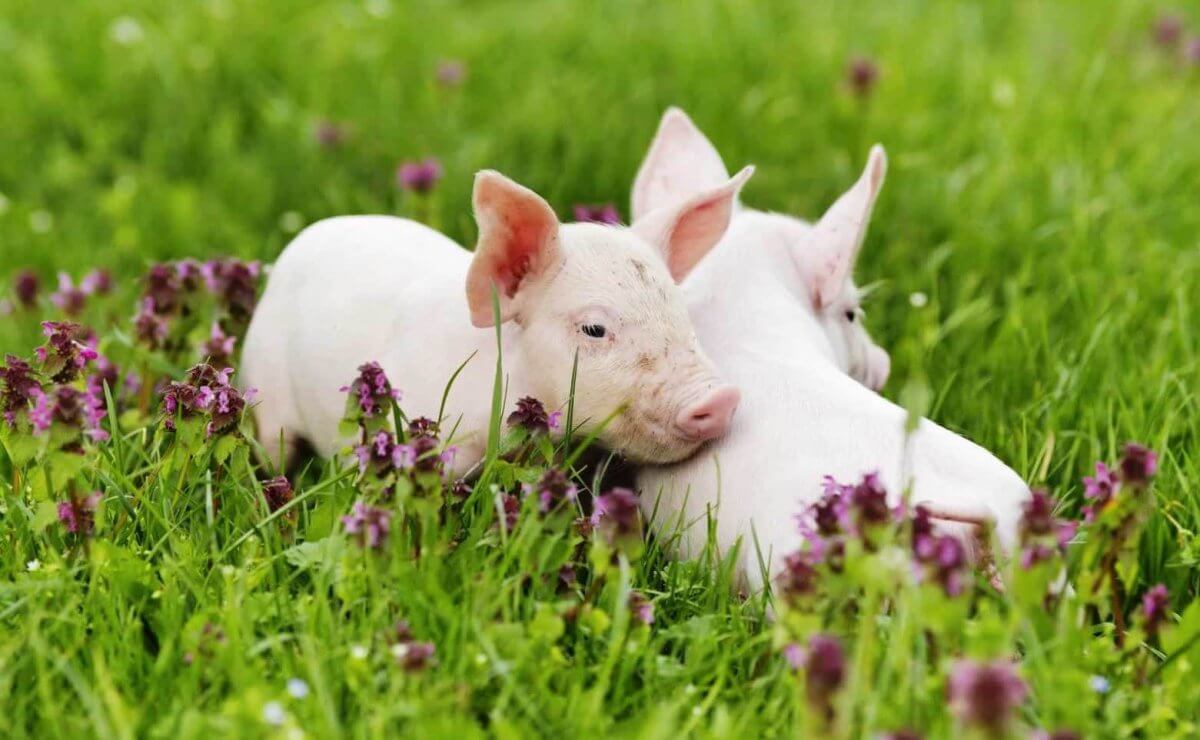
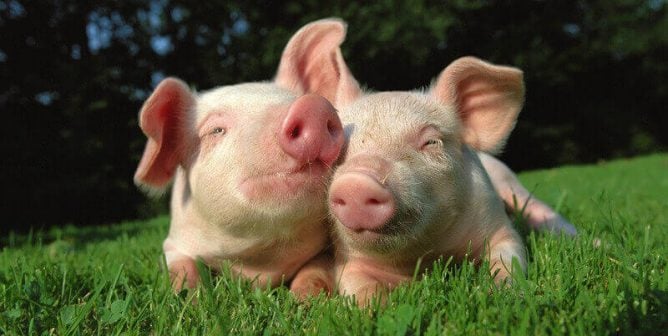
Pigs
Pigs are curious, playful, loyal, and incredibly smart. They stay cool by wallowing in the mud (though they are notoriously clean) and play games with their friends. Those used for meat spend their short, stressful lives in cramped, filthy warehouses. Workers lock mother pigs in metal crates so small they can barely turn around and breed them repeatedly until their exhausted bodies wear out. They haul these affectionate animals long distances to slaughterhouses, often without food, water, or protection from freezing winds or blistering sun. Some don’t survive the trip.
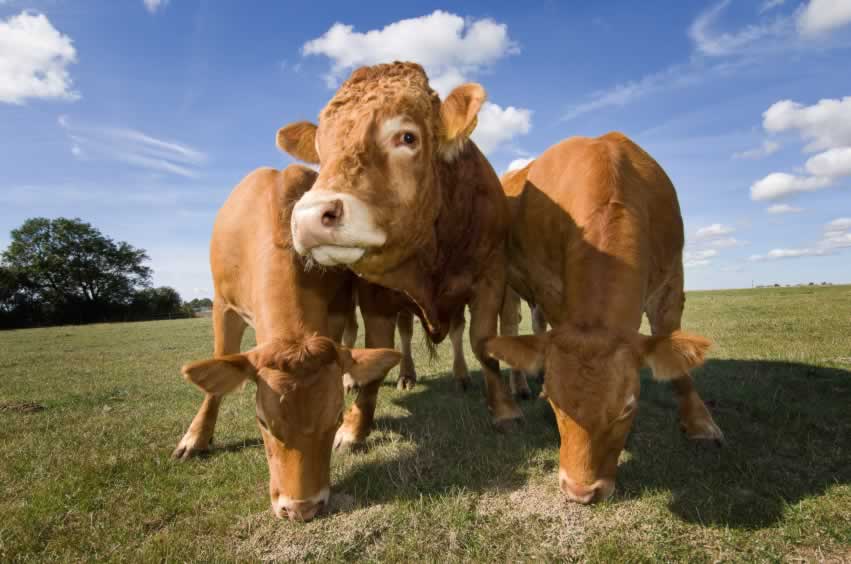
Cows
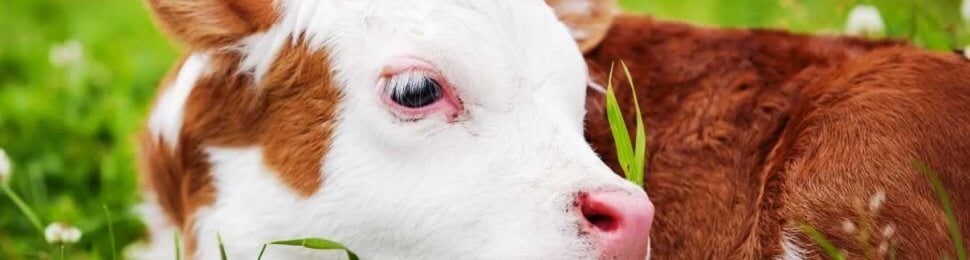
Cows are gentle, curious, social animals who form friendships, remember experiences, and care deeply for their calves. Given the chance, they explore, nap in the sun, and stay close to their families. But cows raised for meat spend their days in crowded feedlots where comfort and companionship are nonexistent. Farmers repeatedly impregnate cows used for dairy so they will produce milk, while workers steal their babies. Both face the same terrifying end—packed onto rumbling trailers and hauled to slaughterhouses. Once there, the “processing plant” employees funnel them onto fast-moving kill lines where they can see workers murder their friends.
The Ripple Effect of Compassion
Being vegan didn’t stop with me. My daughter has been vegan since middle school. Now 23, she’s still vegan. Recently, one of her childhood friends called to tell her how much she admired her and that she had gone vegan after high school because of my daughter’s influence.
The Truth Changes Everything
Once I learned what animals endure, I could not ignore the suffering I was causing, especially since I had the power to prevent it. Every person who goes vegan saves nearly 200 animals every single year—chickens who form friendships, pigs who play, and cows who love their babies.
If you’re thinking about going vegan, you don’t have to change everything overnight. Start by swapping one of your favorite meals for a vegan upgrade. And remember, every change you make spares someone from suffering. You never know whose life you’ll change—including your own.
Our free How to Go Vegan guide can help.
Text VEG to 73822 to get the latest vegan lifestyle tips, recipes, and urgent action alerts texted right to your phone.
Terms for automated texts/calls from PETA: https://peta.vg/txt. Text STOP to end, HELP for more info. Msg/data rates may apply. U.S. only.


It’s family night out, and you’ve landed at BJ’s Restaurant & Brewhouse. If you’re a vegan and you’re wondering, “Is there anything here I can actually eat?”, you’ve come to the right place.
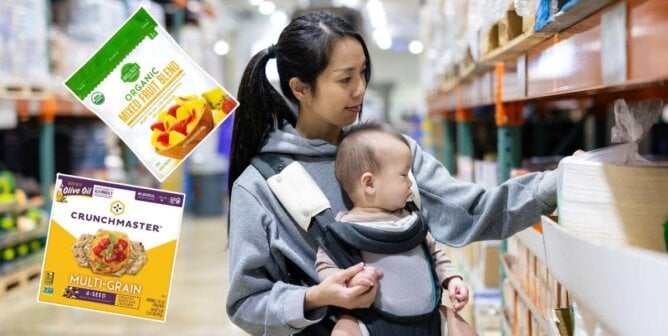
Make room for plenty of favorites like Beyond Meat, Planet Oat, and Violife, along with all your pantry staples.
It’s easy to find a cartload of vegan products at WinCo. One PETA staffer reveals all the vegan goodies he found on a recent shopping trip to WinCo.
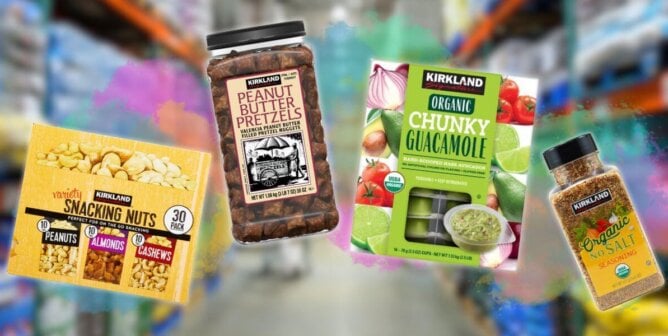
Stock up on vegan staples at Costco with this easy guide.

