Nextdoor.com is more than a hotspot for nosy neighbors. This neighborhood-based social media platform can help save animals in your community!
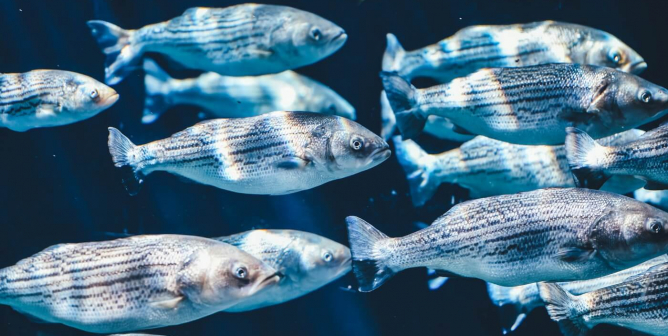
Since no one really wants to skin a cat, break a camel’s back, or chase wild geese, here’s PETA’s complete list of animal-friendly idioms.
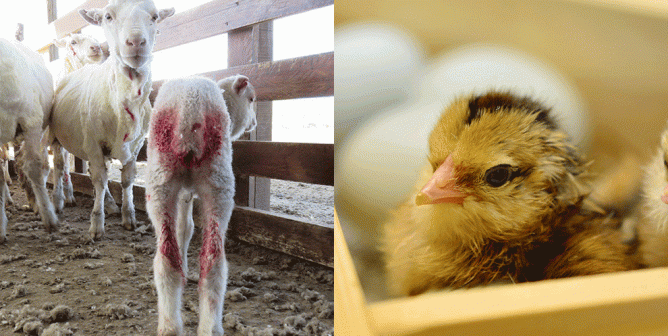
Horses who no longer win races, hens whose egg production begins to wane—these animals are often killed once they’re deemed “useless.”
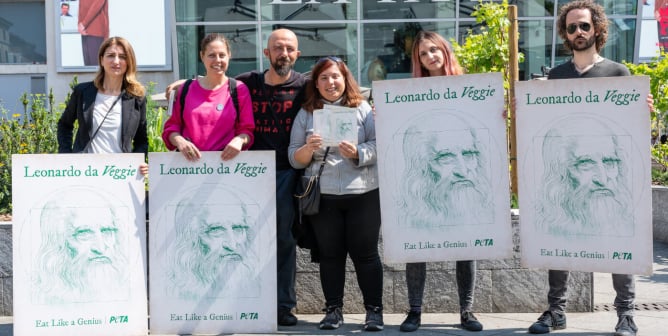
The Renaissance man spoke out for lobsters, refused to wear leather, and questioned the idea that humans are superior to other animals.
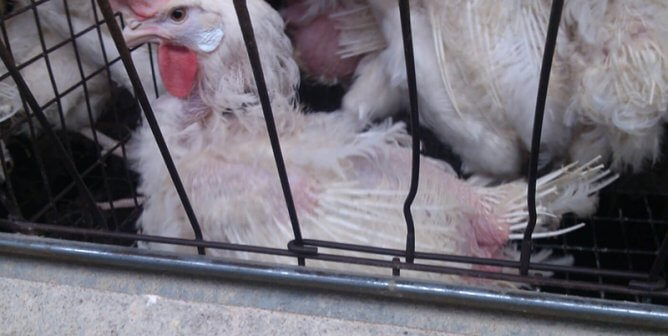
Thousands of hens were found dead, beaten, gassed, and neglected at a filthy farm run by a company owned by Cal-Maine Foods, Inc.
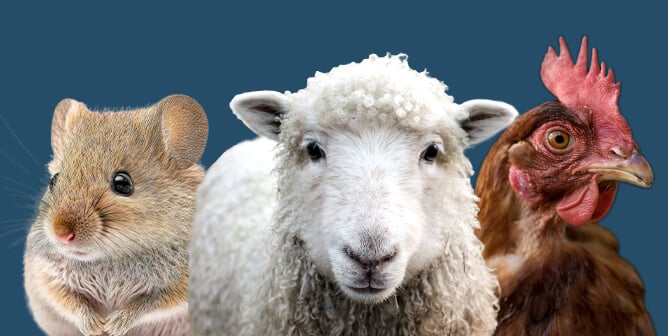
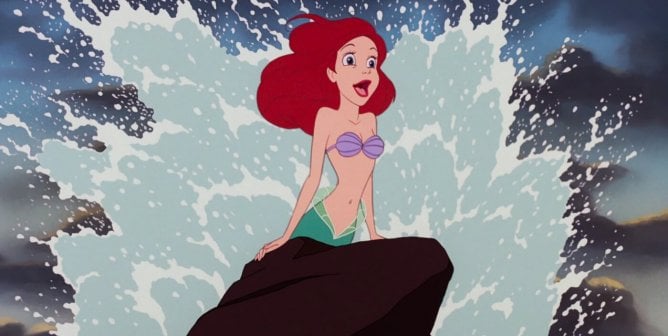
They may be cartoons, but they stand for something real. Each of these princesses fights speciesism by setting an example of compassion and bravely rejecting the status quo.
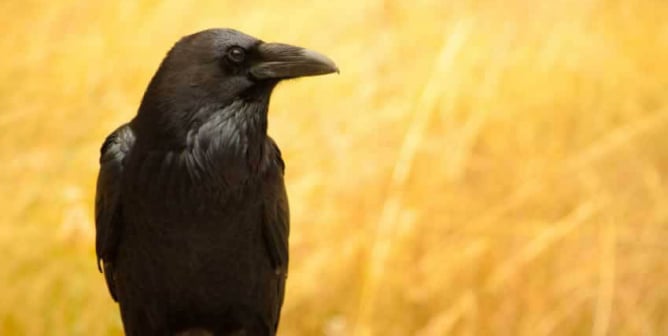
Colorado State University’s cruel and useless West Nile virus experiments on birds show why all experiments on animals must end. Read more and take action.
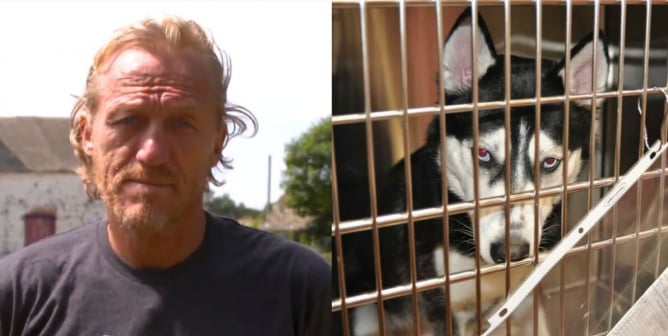
Huskies are being surrendered to shelters more than ever because of direwolves in “Game of Thrones.” Actor Jerome Flynn has a message about this.
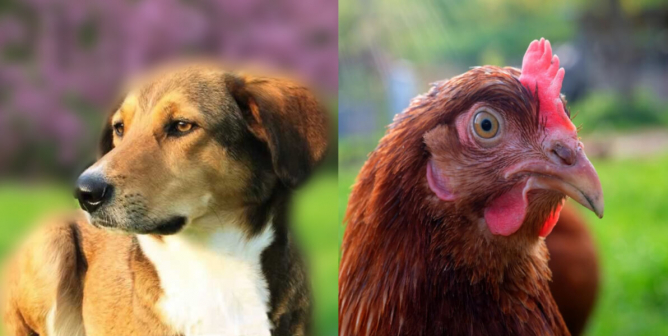
Do you “love” dogs but eat chickens? Well, here’s some bad news: You’re a speciesist. But don’t worry—you can change that. Here’s how.
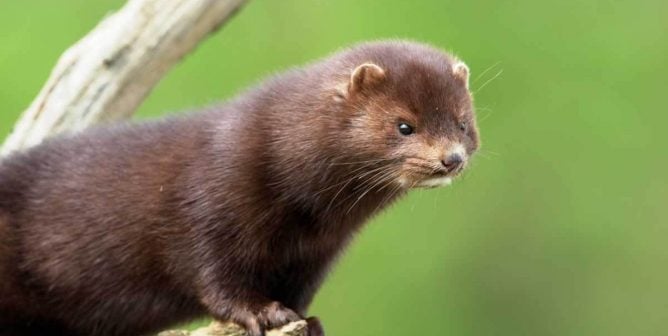
Poland just became the 23rd European country to reject fur—but with a catch. Find out why partial fur bans aren’t good enough.
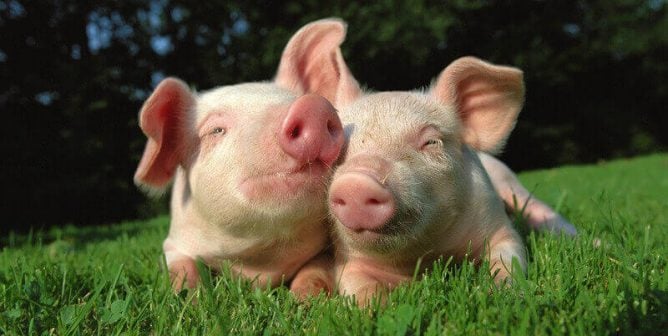

In this vegan “mukbang” video, social media influencers Sonia Elsie and The Veggie Pilot feast on Taco Bell and other “accidentally vegan” snacks.
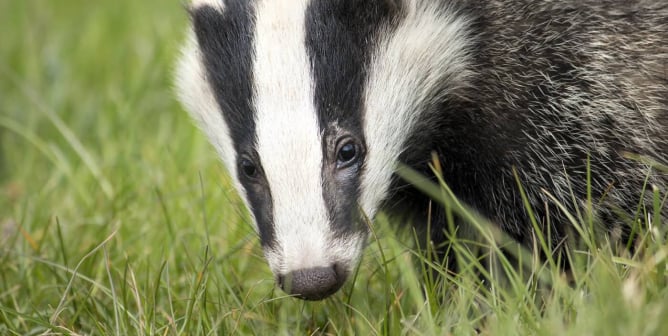
The more you learn about brilliant badgers, the more you’ll love them. Join PETA in speaking up for these social animals, whose hair belongs on them—not on brushes.
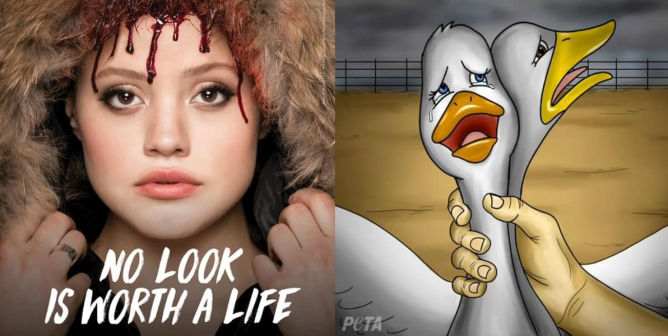
“Charmed” star Sarah Jeffery lends her voice to Gabby, a goose who’s abused and killed so that companies like Canada Goose can use her feathers.
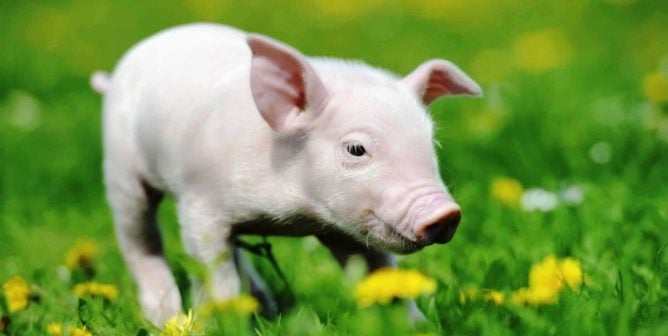
Some people ask, “With so many problems facing members of our own species, why is PETA concerned about the treatment of other species?”
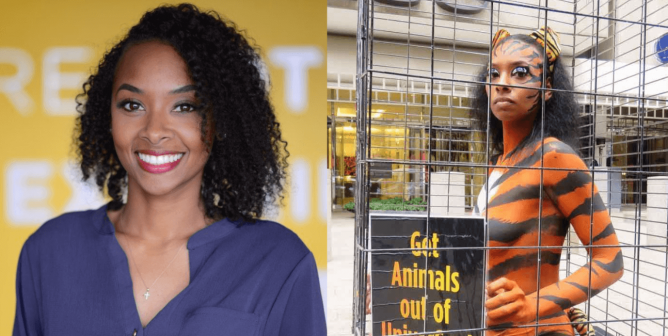
Animal rights is not a “white thing.” Activist Nikki Ford explains why the African-American community is crucial to the movement.