
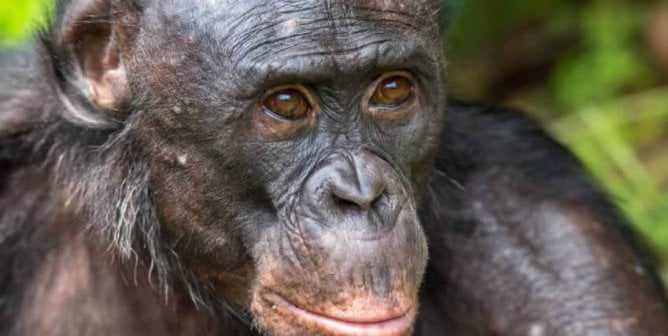
The U.S. Fish & Wildlife Service has issued a final rule that officially extends the full protection of the Endangered Species Act to captive chimpanzees.
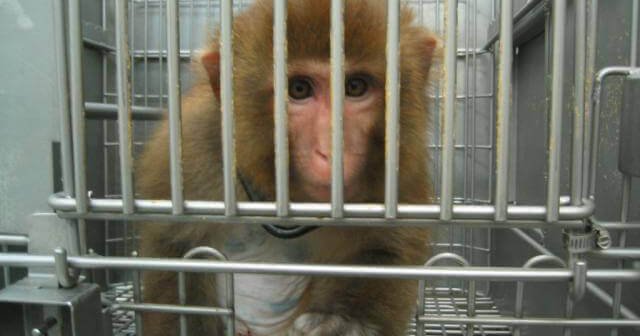
When monkeys are viewed as little more than pieces of laboratory equipment, this is what happens.
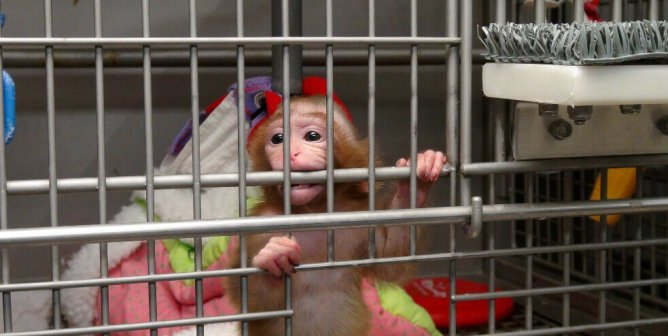
Scientists agree that experiments on baby monkeys are “cruel,” “do not translate well to human mental health,” and “should be stopped.”
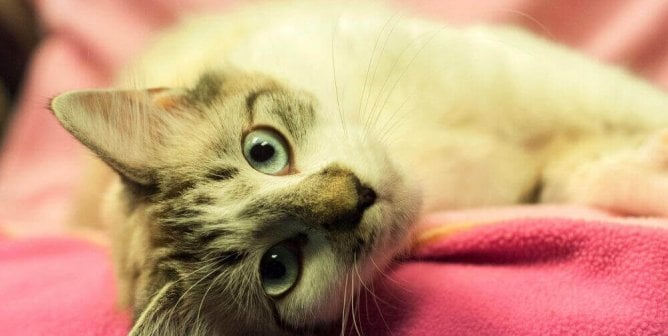
PETA has obtained a disturbing video that depicts heartless students wearing lab coats and playfully dancing with dead cats slated to be dissected.

The price will never be right for the National Institutes of Health’s cruel maternal-deprivation experiments on baby monkeys, Bob Barker tells Congress.

One baby monkey tells his story.

PETA awards a grant to Iowa State University students for organ-on-a-chip technology that could save countless animals from cruel and unreliable experiments.
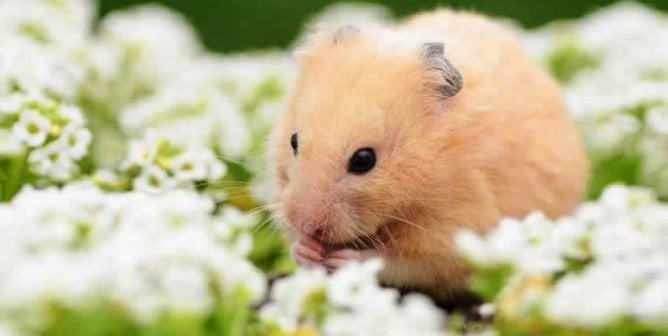
Following a PETA exposé of cruel cocaine and steroid-fueled hamster fighting experiments at Northeastern University, it’s the end of the line for that government gravy train!

UW threw a Hail Mary to try to get the records of its cruel experiments exempted from open-records laws. It failed.
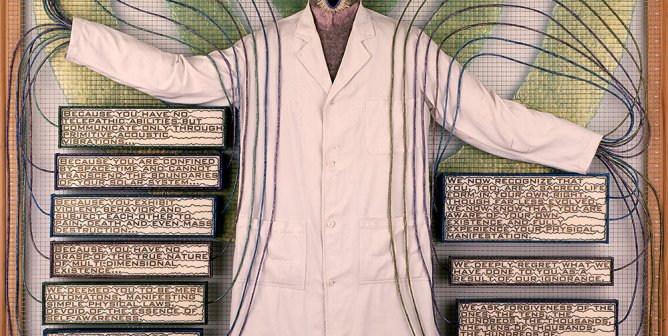
What does it feel like to work in a laboratory?
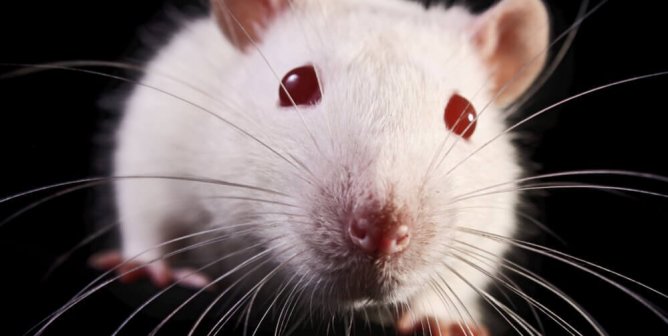
Experimenters are starting to move away from the use of animals in tobacco toxicity tests and instead embrace humane methods.
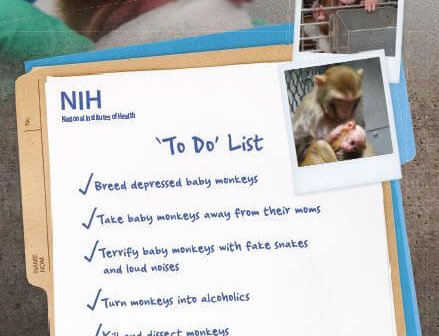
Just in time for tax week, PETA’s ad exposes the federal government for wasting taxpayers’ dollars—and monkeys’ lives—in cruel maternal-deprivation experiments.
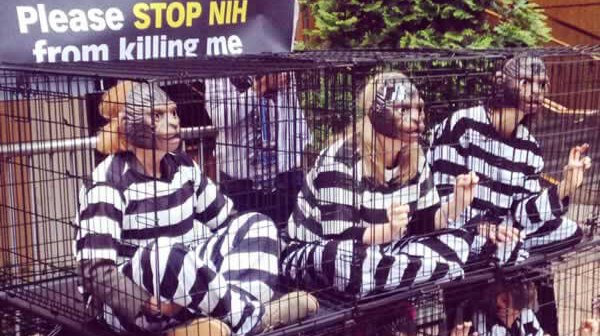
PETA demands an end to the highly controversial, much-criticized abuse of infant primates.
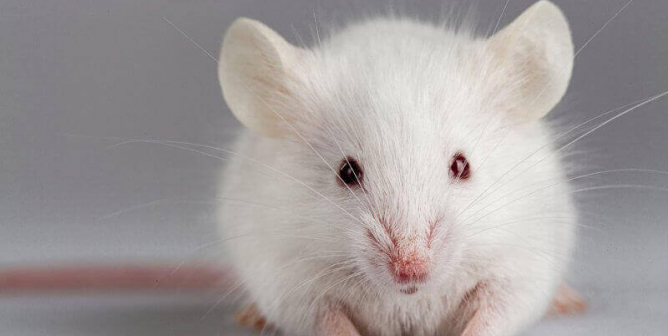
PISC scientists attend the Society of Toxicology’s annual meeting to urge researchers from around the world to stop relying on archaic animal tests.

This action is the latest salvo in PETA’s campaign calling for an end to NIH’s abuse of baby monkeys.