

UW threw a Hail Mary to try to get the records of its cruel experiments exempted from open-records laws. It failed.
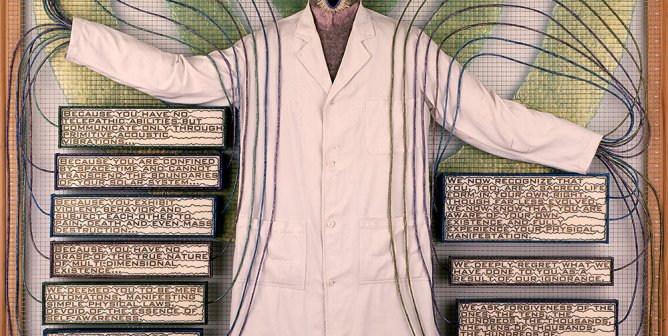
What does it feel like to work in a laboratory?
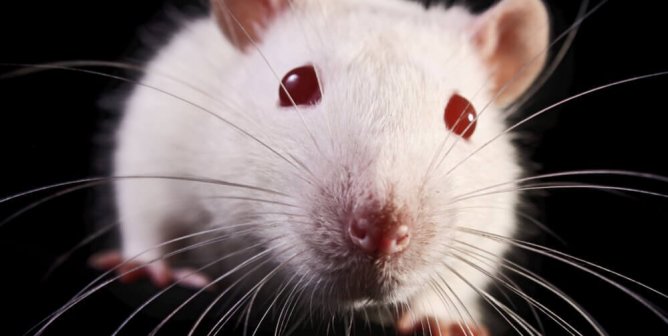
Experimenters are starting to move away from the use of animals in tobacco toxicity tests and instead embrace humane methods.
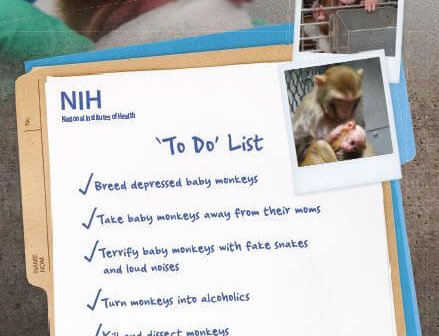
Just in time for tax week, PETA’s ad exposes the federal government for wasting taxpayers’ dollars—and monkeys’ lives—in cruel maternal-deprivation experiments.

PETA demands an end to the highly controversial, much-criticized abuse of infant primates.

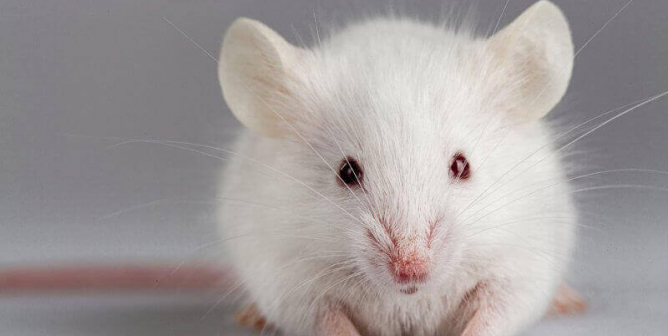
PISC scientists attend the Society of Toxicology’s annual meeting to urge researchers from around the world to stop relying on archaic animal tests.

This action is the latest salvo in PETA’s campaign calling for an end to NIH’s abuse of baby monkeys.
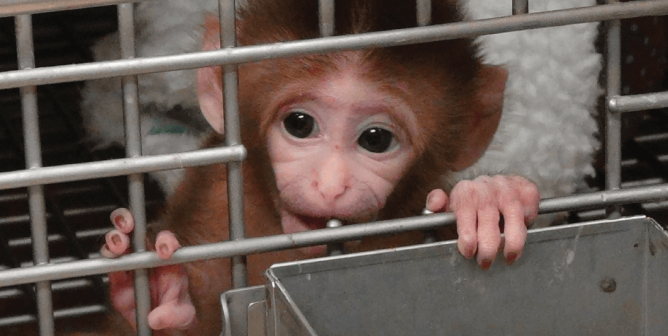
Psychologists, other mental-health specialists, physicians, researchers, and primatologists slam NIH’s cruel maternal-deprivation experiments on baby monkeys.
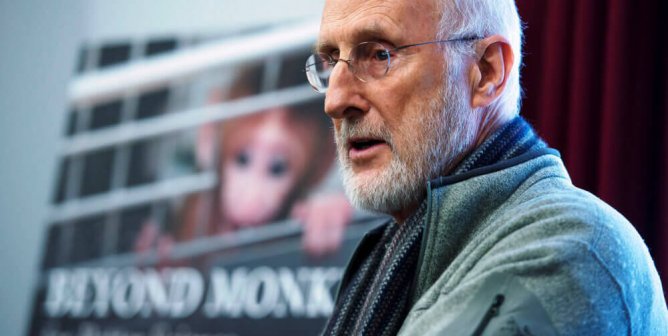
Cromwell screens the video that prompted 175,000 people to demand an end to NIH’s maternal-deprivation experiments on monkeys.
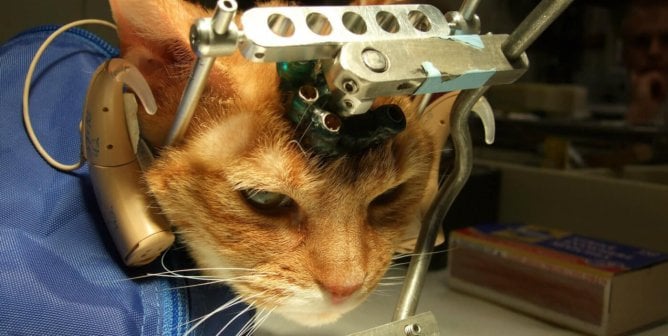
Following years of pressure from PETA, the University of Wisconsin–Madison ends its cruel cat experiments and adopts out the remaining cats.
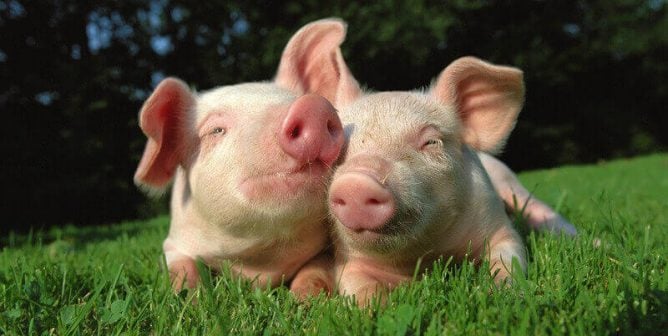
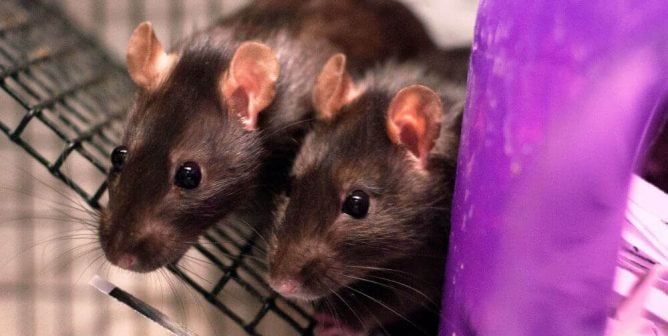
Vivisectors have found that tickling rats helps them endure painful injections. But why are these smart, sensitive animals experimented on at all?
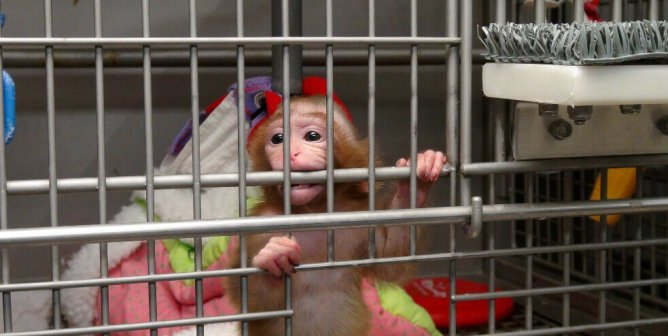
The campaign to get NIH to end these experiments is gaining steam, and it looks like the new year is bringing new hope for the monkeys imprisoned at NIH.

“Couples Therapy” host Dr. Jenn Berman wonders what cruel baby-monkey experiments say about the experimenters themselves.

Republican strategist Mary Matalin doesn’t want the government to throw any more money away on cruel experiments on baby monkeys.
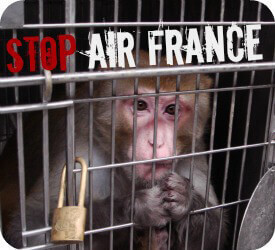
During an Air France event , a disruptive “monkey” asks to be sent back to the home she was stolen from.