What’s Wrong With Caged Birds?
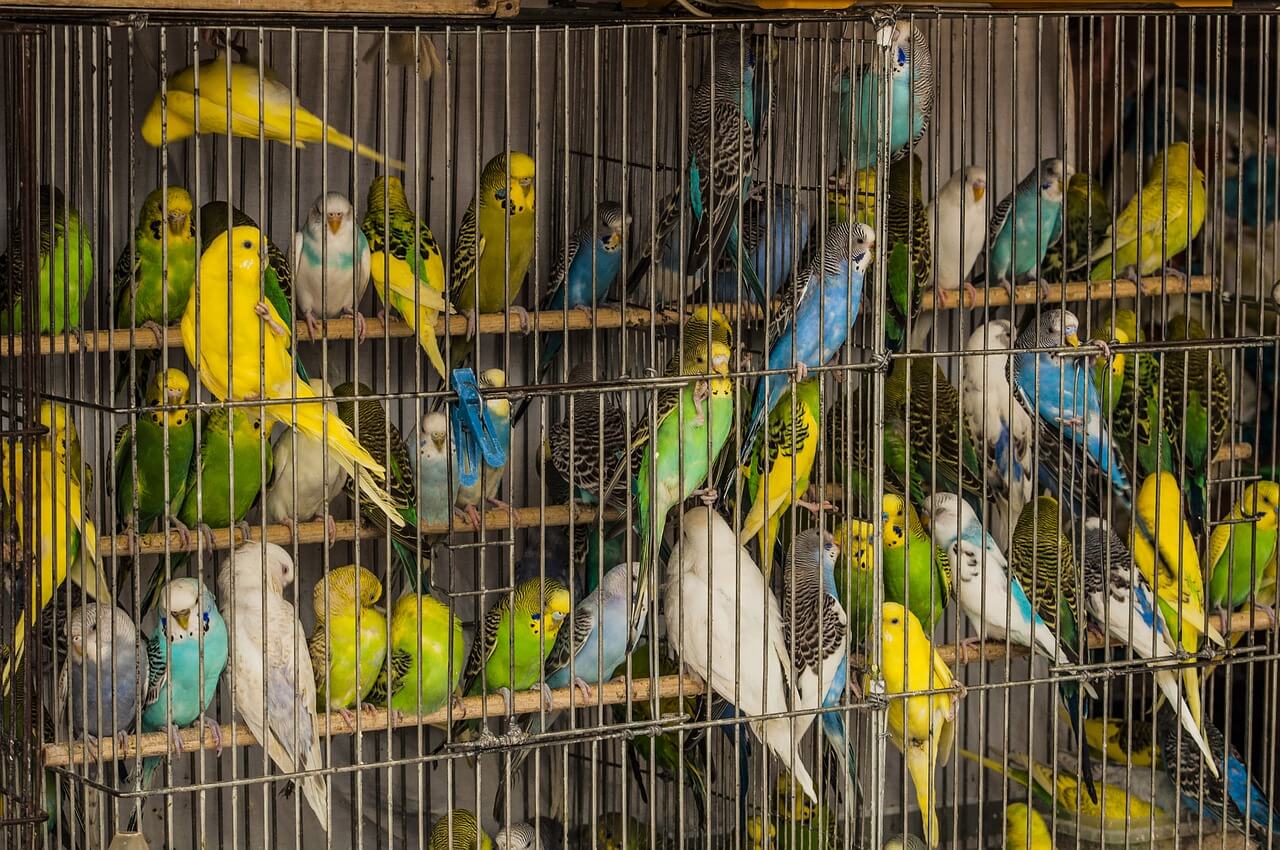
Life in captivity is often a death sentence for birds, who may suffer from malnutrition, an improper environment, loneliness, and the stress of confinement. Birds are meant to fly and be with others of their own kind in a natural environment. Being in cages causes birds to have claustrophobic fits and mood swings.
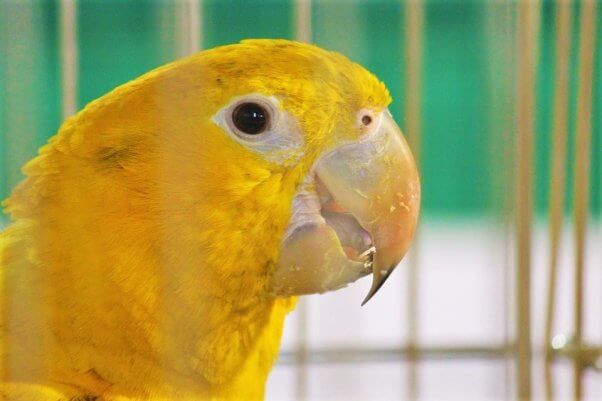
Captive birds almost never get the same-species companionship or mental stimulation that they need, and normal bird behaviors—such as flock-calling, biting, and throwing food—are often unwelcome to unprepared human guardians who then abandon or further isolate the birds as a result.
Birds Need Other Birds
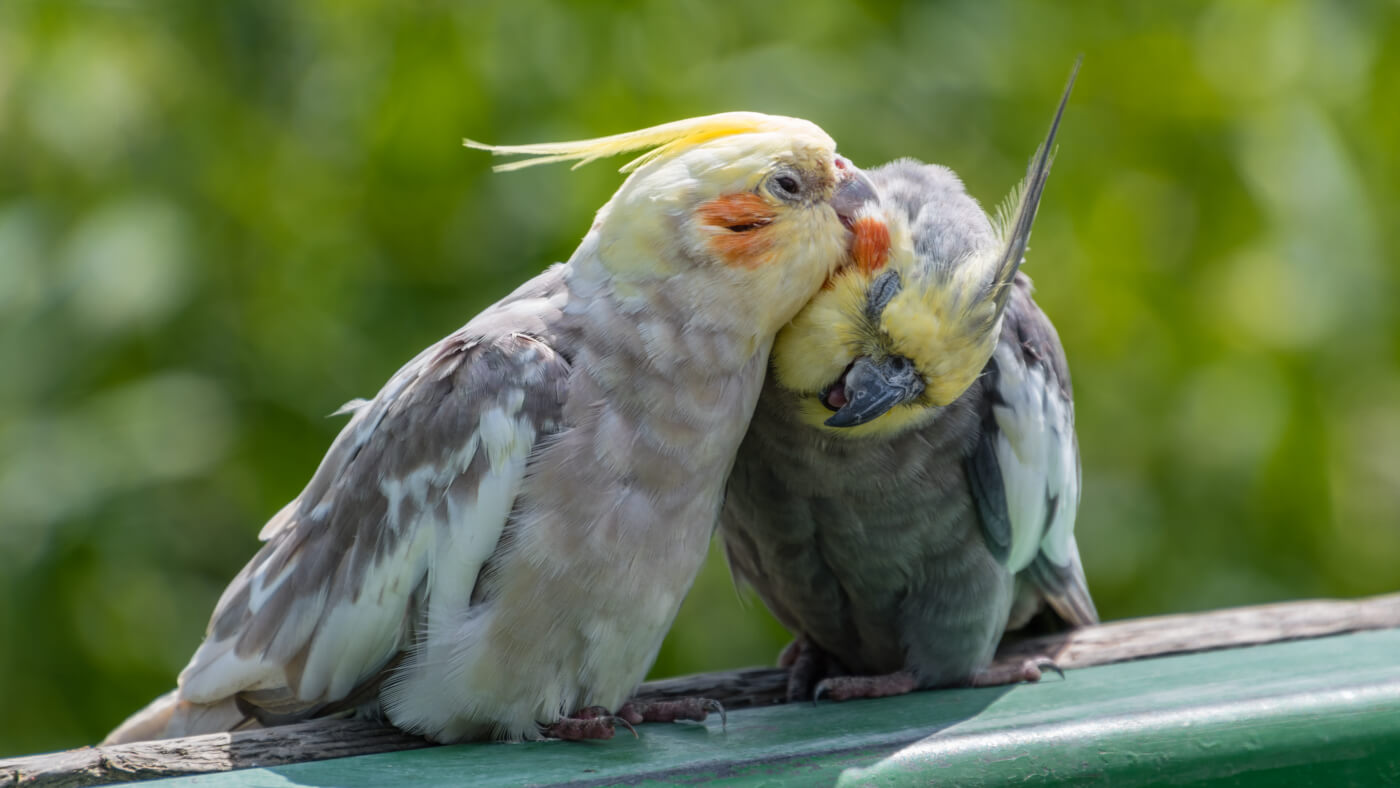
In nature, birds are never alone. If they become separated from their flockmates, they call wildly to them. They preen each other, fly together, play, and share egg-protection duties.
Many bird species stay monogamous for life and share parenting tasks. Most birds will not choose a second partner if their first is lost.
Birds Need Freedom to Fly
Birds are meant to fly (some even travel hundreds of miles per day) with friends and family in a natural environment. Flying is as natural for birds as breathing is for humans, yet we deprive them of this awesome ability—their birthright—when we lock them in cages.
In cages, birds get depressed, frustrated, and claustrophobic. Their muscles waste away, they pull out their own feathers, mutilate their skin, incessantly bob their heads and throw up, pace back and forth, peck at cage bars, and shake or even collapse from anxiety.
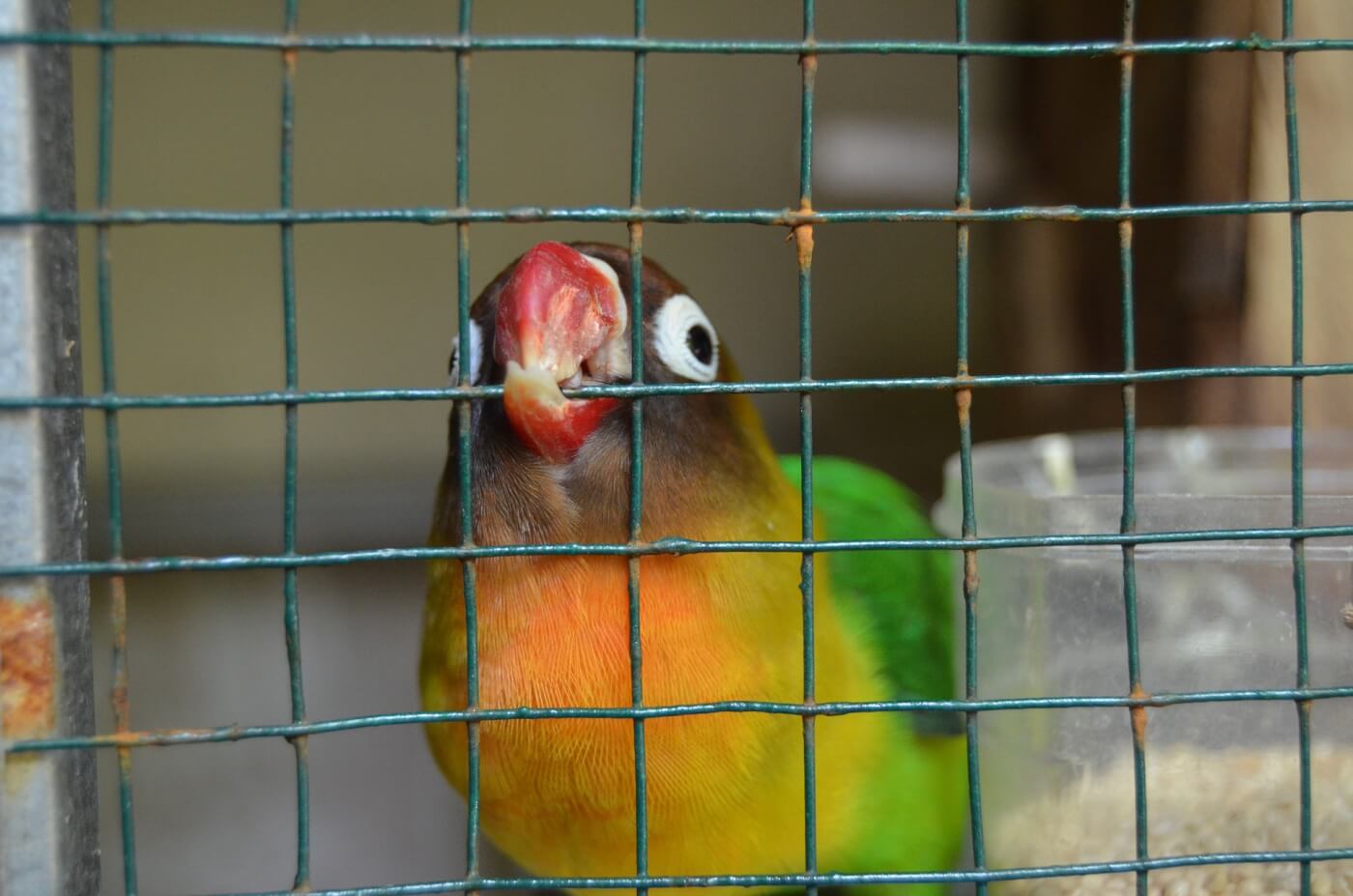
The Los Angeles Times reported that parrots “quickly become frustrated ‘perch potatoes’ in captivity. … Many end up obese and with serious behavioral problems such as screaming, biting and self-mutilation by plucking out their feathers.”
Even if a previously caged bird is introduced into a home in which he or she is allowed a rich, active life, this destructive behavior persists and is extremely difficult to stop.
According to psychologist and ecologist Gay Bradshaw, PhD—who established the field of trans-species psychology—captive birds experience Complex Post-Traumatic Stress Disorder (C-PTSD) from prolonged, repeated suffering. Captive parrots show symptoms similar to PTSD symptoms in humans, including persistent sadness, suicidal thoughts, explosive anger, isolation, and distrust. Many rescued parrots are too traumatized to form relationships with humans or other birds at sanctuaries.
Where Caged Birds Come From
All caged birds were either captured by traffickers or bred in captivity.
The Truth About Bird Breeders
Breeders imprison birds in sheds, barns, and warehouses by the thousands, surrounded by filth, strange sounds, and unfamiliar species. The breeders confine the birds in small, dirty, and dimly lit cages where they are unable to fully extend their wings.
They kidnap the babies and sell them to pet stores. But because birds older than 8 to 10 weeks don’t sell well at pet shops, they are kept for breeding and condemned to cages with virtually no human contact for the rest of their lives.
Bird-breeding factories are literal breeding grounds for diseases, like proventricular dilatation disease (PDD)—the symptoms of which include depression, weight loss, and constant or intermittent vomiting.
Sick birds can also transmit salmonella, E. coli infections, tuberculosis, giardia, and other illnesses associated with bacteria and fungus.
Bird Smuggling Is Common
Birds are smuggled into the U.S. more frequently than any other animal. These poachers force-feed birds, clip their wings, tape their beaks shut, and cram them into everything from spare tires to carry-on luggage and even plastic bottles. It’s not unusual for 80 percent of the birds in a smuggled shipment to die.
Taking animals from their natural homes jeopardizes entire populations and ecosystems. As a direct result of smugglers capturing birds for U.S. and European collectors, the population of the South American hyacinth macaw has declined significantly over the last decade.
When the Novelty Wears Off
Birds are as messy and destructive as puppies—something irresponsible breeders and retailers often won’t explain to customers. But unlike puppies, birds continue this behavior for up to 75 years. Additionally, caged birds can be extremely loud and demanding and sometimes severely bite their caretakers.
When the birds who seemed so cute and lovable in pet stores turn out to be noisy, messy, and demanding, many are ultimately abandoned, and few live out their natural life spans.
Humans resell, give away, or abandon about 85 percent of parrots within two years of purchase.
If humans keep the birds but ignore them, they suffer in isolation and may become even noisier, more aggressive, or more despondent.
Captive Birds Cannot Be Released Outside
Caged companion birds are typically not native to the areas where they reside. They cannot be released outside (which would be considered a crime of abandonment in most states).
Without the proper climate, food sources, and habitat, escaped or released birds become prey for free-roaming cats and wildlife or are doomed to suffer slow, painful deaths because of exposure, starvation, or injuries.
Animal shelters can only place or care for a small percentage of these forgotten birds. Some alleged “sanctuaries” and “rescues” are actually thinly disguised breeding colonies or hoarding situations in which birds are housed in extremely crowded conditions, receive minimal care and attention, and may even be sold back into the pet trade.
Buying birds from pet shops contributes to the vicious cycle of disease and abuse. Never buy a bird.

Demand that the individual be charged under Trinidad and Tobago’s Summary Offenses Act.
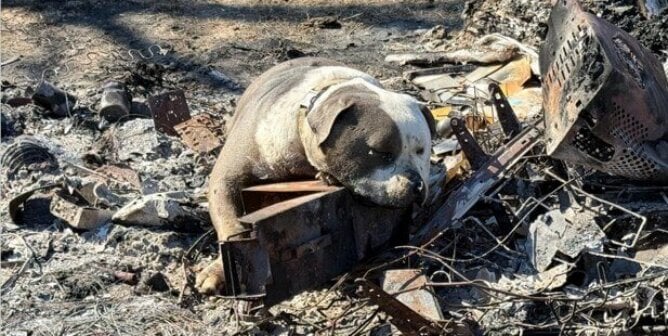
Urge Sheriff Clore to take action to secure the removal of and appropriate care for every animal at the Dogtown property and to pursue a criminal investigation and appropriate charges against Sera to prevent her from obtaining more animals.
Urge management to create an “exit strategy” for Marilyn, perhaps by installing a one-way escape door so that she cannot reenter once she leaves.
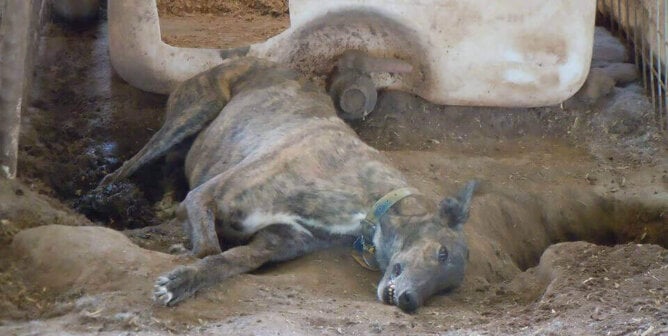
Urge the Harper County Board of Commissioners to protect dogs from being caged and bled their entire lives by voting “no” on Wilson’s request.
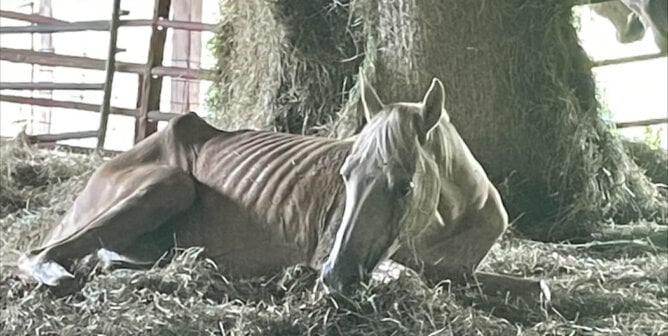
Please politely urge Van Buren County officials to mandate immediate veterinary care for these horses.
In addition to appeals to government authorities, PETA has written to FIFA, asking it not to stand by silently while this devastating extermination occurs on its behalf. Join us and send FIFA a message now!