

Is it Legal to Chain Dogs 24/7? What to Do if a Dog Is Left Outside
Is there a chained dog in your neighborhood? Here’s what to do if a dog is left outside.
Is Leaving a Dog Outside All Day Neglect?
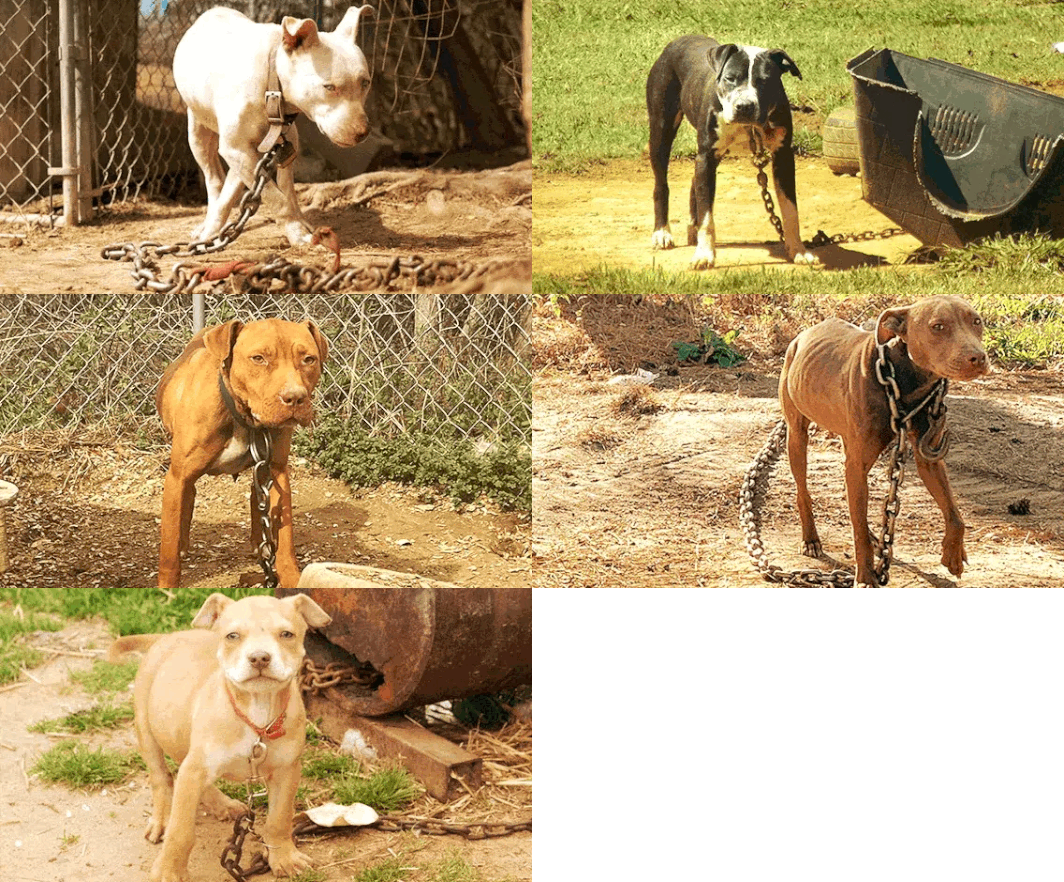
Imagine being forced to live your entire life at the end of a chain with no freedom to run, no companionship, no mental stimulation, and often no protection from extreme weather. For many dogs, this is their reality. Dogs left outside suffer physical and emotional neglect.

Physical Suffering
- Exposure to weather extremes: Many chained dogs have inadequate protection from biting cold, relentless heat, or pouring rain—if they have shelter at all. Many freeze to death or die from heat stroke.
- Lack of food and water: “Out of sight, out of mind,” some of these dogs starve to death because their owners forget—or can’t be bothered—to feed them, or tethers wrap around dishes and spill them. If they have food and water, it often gets moldy in the summer or freezes in the winter.
- Injury: Chains can cause painful wounds, infections, and even strangulation. Many of these wounds go untreated. Tight collars can become embedded in dogs’ necks.
- Parasites and disease: Chained dogs are more vulnerable to ticks, fleas, heartworm disease, and intestinal parasites because they rarely—if ever—see a veterinarian.
Psychological Suffering
Dogs are social pack animals. When their family leaves them chained or confined outside alone for long hours or days, they can become deeply depressed or exhibit other signs of emotional distress. Here are some signs to look for if you see a chained dog:
- Lethargy: Dogs who are depressed may lie motionless for hours at a time.
- Loss of appetite: A dog suffering emotionally may refuse to eat or drink.
- Withdrawal: Depressed dogs may stop responding to familiar people, toys, or other animals.
- Continuous barking: Frustration and loneliness can cause chained dogs to bark excessively, which can annoy neighbors. Chained dogs have been shot, poisoned, stoned, set on fire, and tortured in countless other ways.
- Compulsive behaviors: Chained dogs might chew on their limbs, overgroom, or pace obsessively out of anxiety or boredom.
Aggressive Behavior
Constant chaining leads to frustration, which can make dogs more likely to bark, bite, or attack. Here’s why:
- Territorial aggression: Tethered dogs are confined to a small area they learn to defend. When someone enters this space, the dog may interpret it as a threat and respond aggressively.
- Frustration and fear: Constant restraint builds up frustration and can lead to fear-based aggression. A frightened or stressed dog may bite reactively, especially when startled or confronted.
- Lack of socialization: Dogs that are isolated never learn how to interact with other dogs or with humans, especially children, and may perceive them as a threat.
The most common victims of dog attacks, including those in which the dog is or was tethered, are children. Children may not recognize a warning sign—such as a growl or a stiffened posture—as they approach a chained dog. As the child moves closer, the dog may feel threatened and, with no way to escape, lash out.
What You Can Do if You See a Chained Dog
We can all make a difference. Here’s how:
- Observe and document. Note the address, date, and time; take photos or videos from public property—do not trespass; record details. Is the dog chained 24/7? Does the dog have food, water, and shelter? Are there signs of illness, injury, or neglect?
- Talk to the owner if it feels safe. Ask them about their dog and explain how the dog would be much happier and healthier indoors with the family.
- Politely ask the owner for permission to walk their dog, explaining that you’d like to offer them some exercise and companionship. You can also offer to bring toys or treats. This type of interaction can make a big difference in the life of a chained dog.
- Report the situation. Notify local authorities about chained dogs if there is a tethering ban in your neighborhood. Even if chaining is legal where you live, neglect isn’t. If a chained dog is in imminent danger or lacks necessities such as food, water, and adequate shelter, call the police.
Is Chaining Legal?
In many states and municipalities, it is illegal to keep dogs continuously chained. If chaining is allowed in your area, here’s what you can do:
- Contact your local and state representatives to express your concern about keeping dogs chained or penned outside and encourage them to ban this cruel practice.
- Explain that tethering causes physical injuries, emotional distress, and increases the risk of aggression.
- Be respectful and concise. Lawmakers are more likely to listen when messages are polite and focused.
- Share examples from your community or reputable organizations to strengthen your case.
- Highlight public safety, emphasizing that chained dogs may bite.
- Follow up if you don’t receive a response.
No dog deserves to “live” at the end of a chain. Dogs need nourishing food, clean water, medical care, and exercise. They deserve love, compassion, and respect. Anything less is unacceptable.
Text VEG to 73822 to get the latest vegan lifestyle tips, recipes, and urgent action alerts texted right to your phone.
Terms for automated texts/calls from PETA: https://peta.vg/txt. Text STOP to end, HELP for more info. Msg/data rates may apply. U.S. only.



Meet Liora, the sweet-spirited dog who went from living life at the end of a chain to a safe home.

Whether you’re lounging at home, running errands, or meeting up with friends, the Blondita x PETA Friends of Animals Club collection is the perfect fit!

The comedy legend transforms into your “two-pack-a-day Aunt Doris” to call out a greedy industry.

The internationally renowned actor is flying in with an important message.