That Decade-Old PETA Ad and What You Need to Know NOW About Dairy
A recently resurfaced PETA ad, more than a decade old and long since removed, was based on a study that had come out at that time and was created in response to the milk industry’s harmful “Got Milk?” campaign, which duped parents into believing that cow’s milk is a healthy drink rather than one linked to asthma, constipation, recurrent ear infections, iron deficiency, anemia, and even cancer. For the sakes of cows, humans, and the planet we’re meant to share, PETA would love to see the passion that’s focused on this old ad turned against the dairy industry, which tears mother cows and their beloved babies apart and spews out pollutants that damage our environment.
Here are some things we do know about cow’s milk:
Dairy Is Scary (For Humans)
Not only do humans have no nutritional need to drink other animals’ milk, all of our dietary needs—even as infants and children—are also best met by a diet free of animal-derived foods. That’s because cow’s milk is suited to the nutritional needs of calves, who, unlike human babies, double their weight in 47 days (as opposed to 180 days for humans), have four stomachs, and weigh 1,100 to 1,200 pounds within two years. Cow’s milk contains about three times as much protein as human milk and almost 50% more fat.
To make them produce more milk than they would naturally, some cows used for dairy are dosed with a growth hormone that puts them at increased risk of developing mastitis, a painful inflammation of the udder. Even cows who aren’t given rBGH produce hormones such as estrogen and progesterone, which come out in their milk.
Every other animal gets it: Apart from some humans, no species drinks the milk of another species. So leave stolen, coagulated milk on the shelf and always opt for vegan milk, yogurt, butter, cheese, and ice cream.
Dairy Is Scary (For Cows)
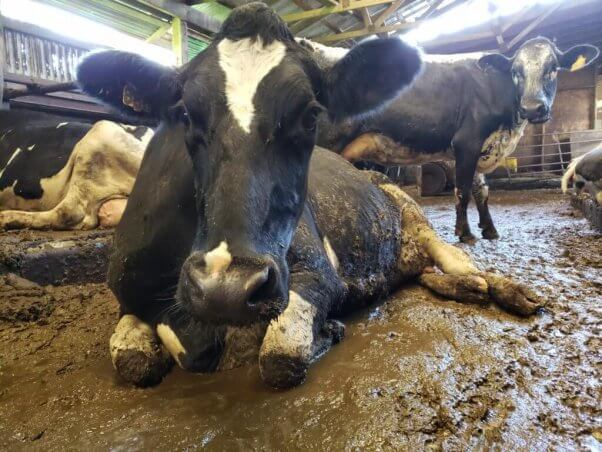
Pain, filth, abuse, and death—that’s dairy summed up. Multiple PETA and PETA affiliate investigations and exposés have revealed the routine cruelty that’s considered business as usual within the dairy industry. At Reitz Dairy Farm, cows used for milk were denied care for painful grapefruit-size masses that oozed blood and pus, were struck over and over on their sensitive udders, and were found lying dead in manure.
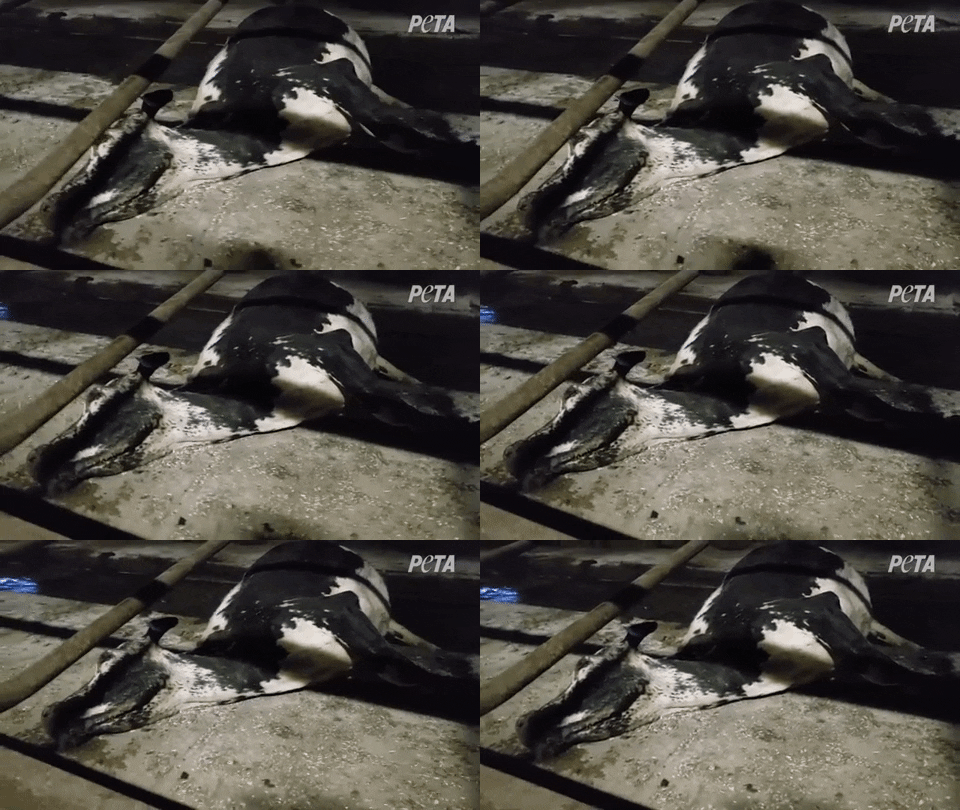
At this former Land O’Lakes supplier facility in Pennsylvania, a PETA field investigator caught the farm’s owner and one of his sons on camera electroshocking cows who were in too much pain to stand up. One of the farmer’s sons kicked a cow and jabbed her with the blade of a pocket knife.
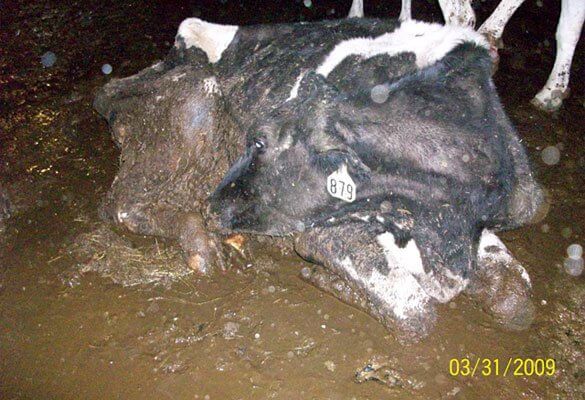
But it’s the dairy industry’s standard forms of cruelty that so often lead to cows’ suffering. In order to make milking easier, for instance, farmers remove the sensitive horn tissue or the horns themselves from cows’ skulls using searing-hot irons, caustic chemicals, blades, or handsaws—often without painkillers.
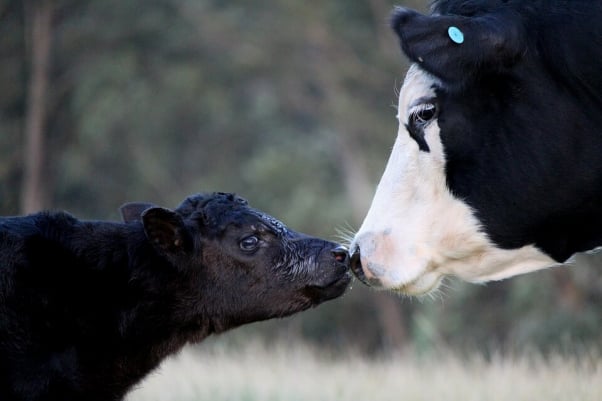
Dairy farmers also don’t allow cows―whose pregnancies last for nine months, just like human pregnancies―to spend any significant time with their babies, who are torn away from their mothers shortly after birth. In such instances, mother cows have been known to cry out for their babies or run after trucks hauling their newborn calves away.
Dairy Is Scary (for the Earth)
Cows eat a lot of food. As a result, they produce a lot of solid waste—and it’s really bad for the environment. Animals on farms, including those in the dairy industry, produce 1.65 billion tons of manure each year. Since there are no processing plants for animal sewage, some of that waste is stored in “lagoons” (peep this nightmare-inducing story about two men who drowned in manure lagoons), and some of it ends up in our waterways and drinking water. Cows also produce about 150 billion gallons of methane per day. Methane is 25 to 100 times more damaging to the atmosphere than CO2.
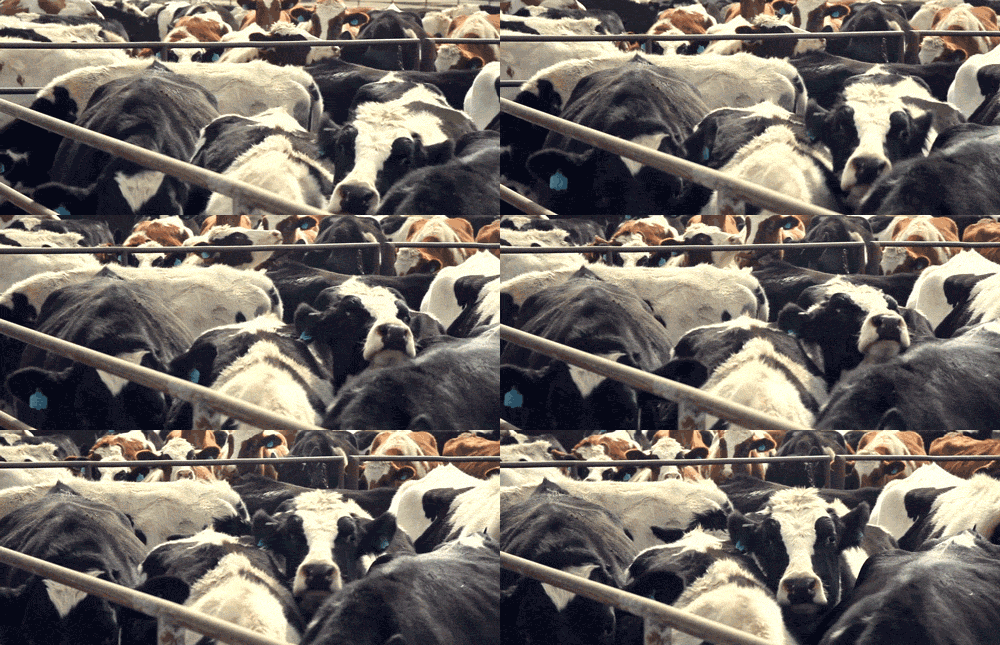
Did you know that it can take more than 600 gallons of water to produce a single gallon of cow’s milk? One cow used for her milk on an industrial feedlot can consume up to 100 gallons of water a day, and on any given day, there are more than 9 million cows on U.S. dairy farms. What’s more, alfalfa hay grown specifically to be used as animal feed requires an estimated additional 1.6 trillion gallons of water a year. An estimated 55% of the country’s freshwater supply goes to raising animals for food.
Ditch Dairy
The next time you reach for cow’s milk, cheese, yogurt, or ice cream—stop! Instead, think of the bond that mother cows and their babies share or of the congealed cow secretions that your body doesn’t want or need. Or consider Caroline, left to die in the same feces- and urine-covered environment where she was forced to spend her entire life. Or if you’re passionate about the planet all animals call home, make choices that Mother Nature would be proud of. Stop buying milk, cheese, and other dairy and go vegan today—it’s the surest way to spare cows, calves, the Earth, and your own body pain and suffering. Click below for a little help:

It’s easy to find a cartload of vegan products at WinCo. One PETA staffer reveals all the vegan goodies he found on a recent shopping trip to WinCo.
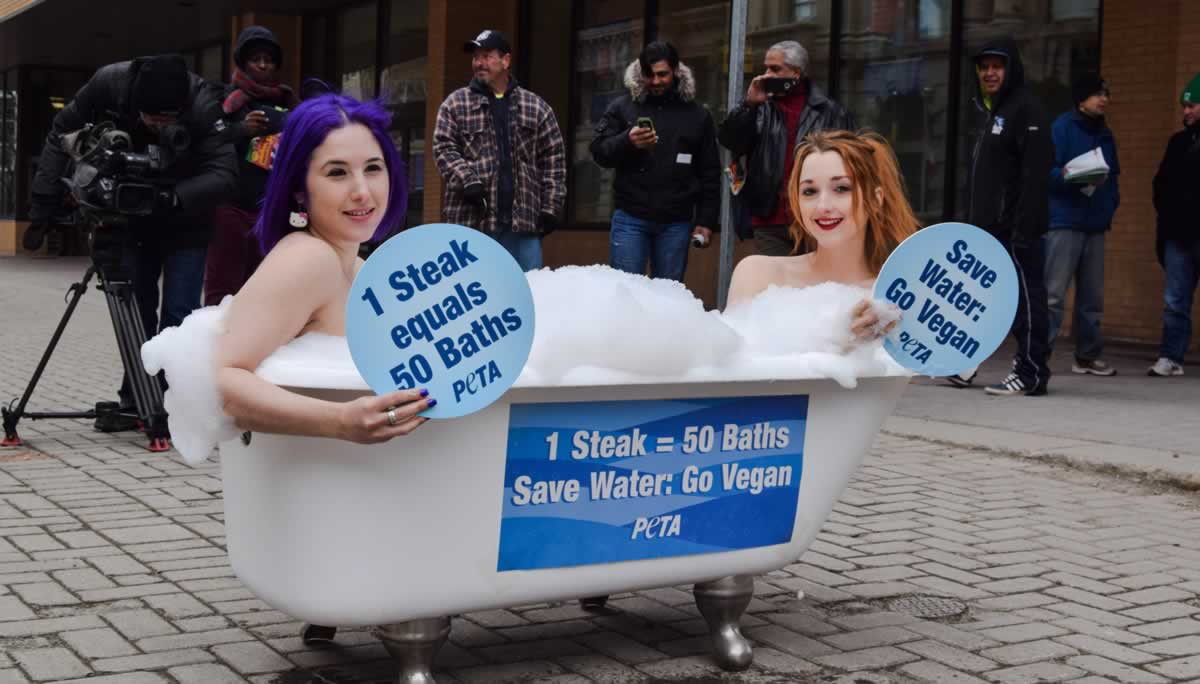
You’ve probably heard that “every drop counts.” Take shorter showers. Fix leaky faucets. But our biggest water footprint doesn’t happen in our bathrooms. It happens at mealtime.
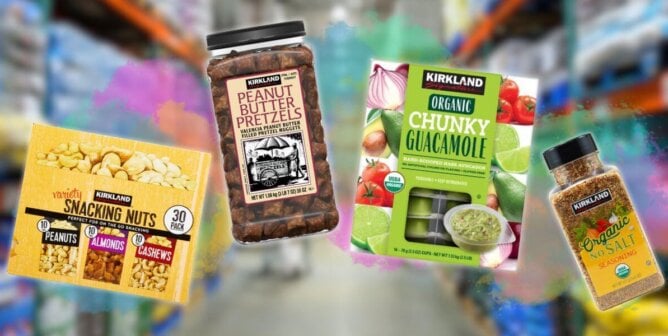
Stock up on vegan staples at Costco with this easy guide.