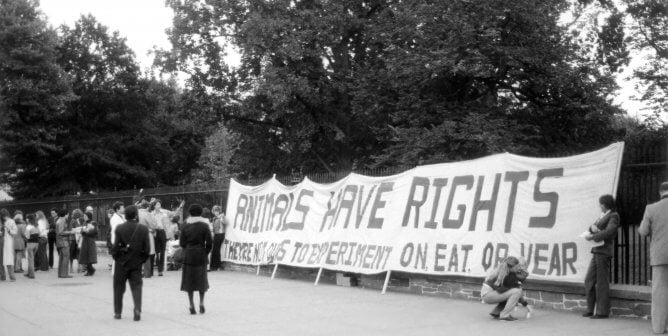
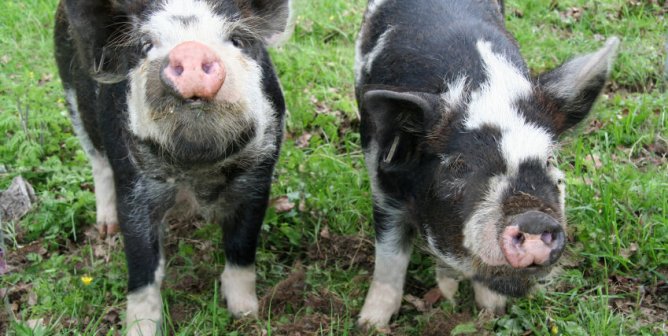
Medical groups representing hundreds of thousands of doctors and physicians-in-training have endorsed humane legislation.
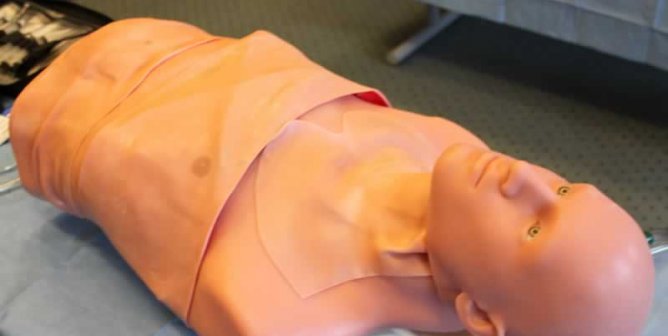
The military’s policy requires using life-like human simulators instead of animals for combat trauma training when possible. PETA’s pushing for more progress.
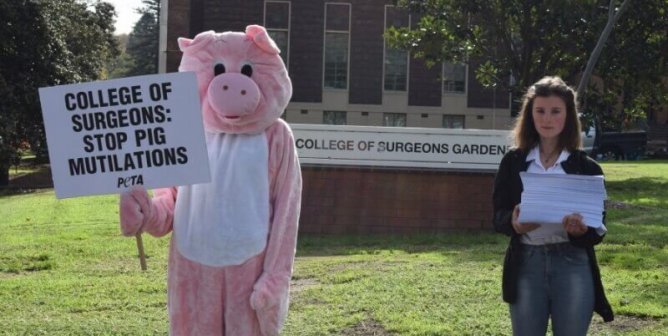
A costumed “pig” delivered a petition with more than 100,000 signatures to the Royal Australasian College of Surgeons demanding they stop using pigs in deadly trainings.
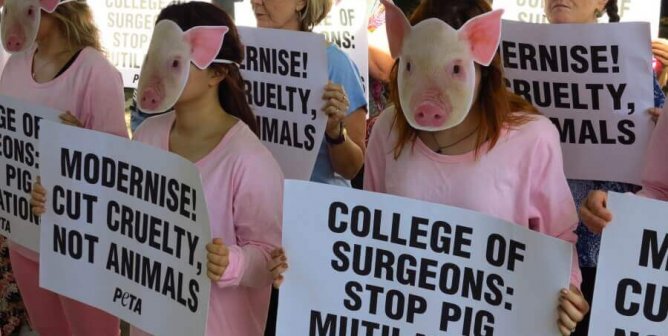
Watch what happened when PETA Australia supporters dressed as pigs descended on a surgeons’ conference to protest cruel trauma training on live animals.

The 2016 spending bill was just signed into law—and will spare many cats and dogs a life of torture in laboratories.
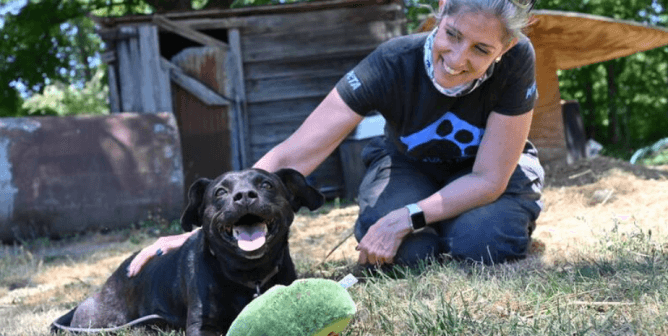
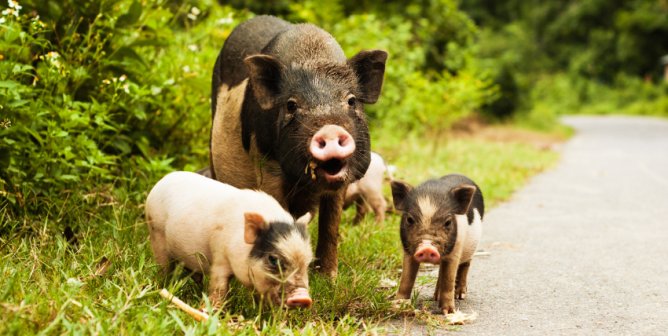
With your help, PETA is celebrating three victories in our campaign to end the abuse of animals in military medical training drills.
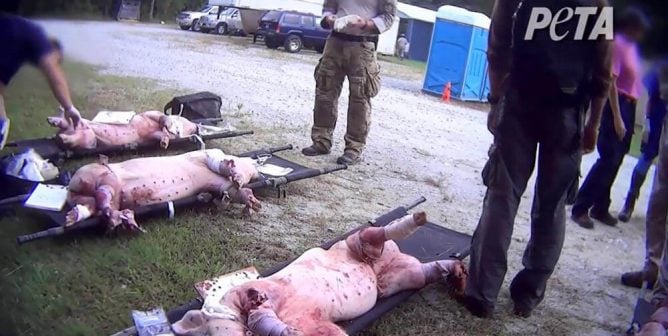
PETA is calling on Gen. Robert Neller to review the apparent violation of a Marine Corps contract by a company that shot and stabbed animals without a permit .
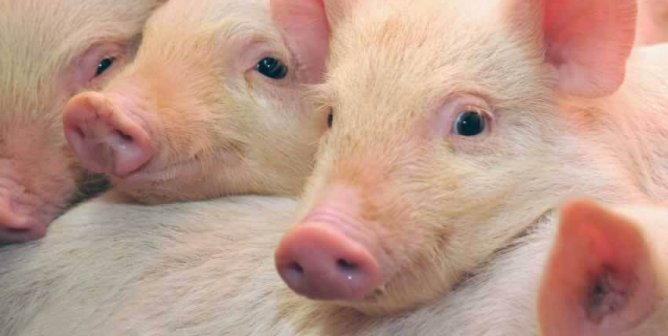
The Air Force is trying to circumvent the ban on using animals in some trauma training, but one congressmember, a lieutenant colonel, is digging in his heels.

PETA’s donation of $1 million in high-tech simulators will modernize physician-training programs and spare the lives of thousands of animals.
Just days after PETA exposed cruel blood-spatter experiments in which live pigs were shot in the head, the experiments have been stopped.
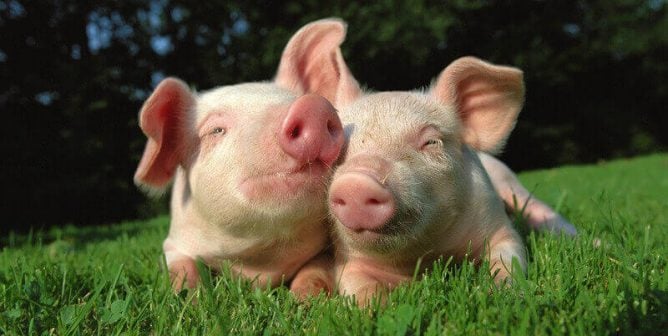
Less than a day after PETA revealed that the University of Georgia was cutting up dogs in crude training drills, the school ends the practice.
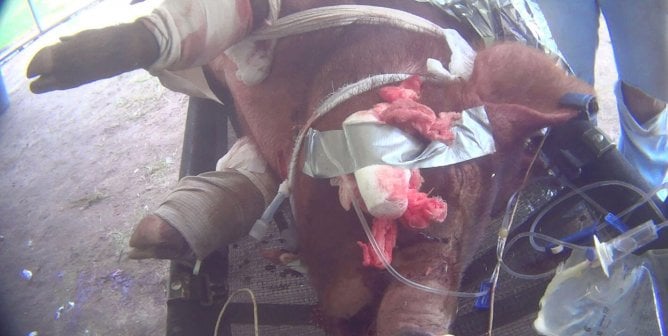
As PETA’s latest eyewitness investigation shows, the same mindset that allows animal abuse to continue also tolerates racism, homophobia, and sexual assault.
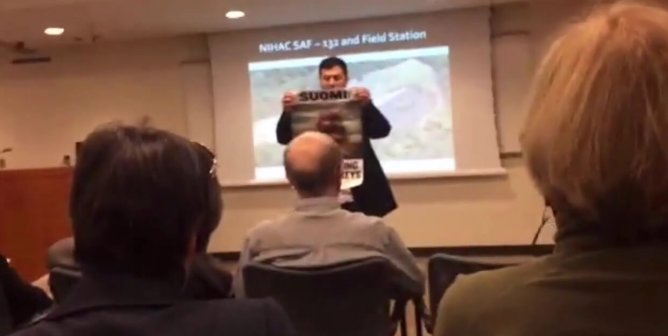
This action is the latest salvo in PETA’s campaign calling for an end to NIH’s abuse of baby monkeys.
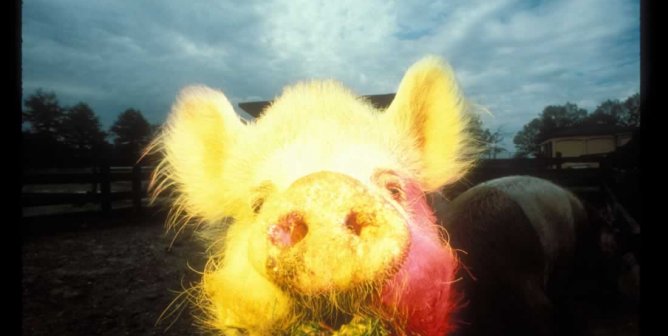
The Norwegian Animal Research Authority has, for the first time, rejected an application by the Norwegian Armed Forces to injure and kill animals in archaic trauma training exercises.

In a PETA victory more than 30 years in the making, the U.S. military agrees to use simulators in many medical trainings.