
This special issue features the work of prominent researchers from industry, government, academia, and nonprofit organizations.
The giant global flavor and fragrance company has agreed to stop starving and mutilating animals in its cruel product tests.
When you think about tests on animals, strawberries and grapes don’t come to mind. But both were tested on mice until PETA got involved.

Thousands of animals were killed in car-crash tests conducted by General Motors, until we made it hit the brakes. Find out how we just got the company to upgrade its policy.
A bill before the California Senate seeks to ban the sale of cosmetics tested on animals. California residents, we need your help to make this happen!
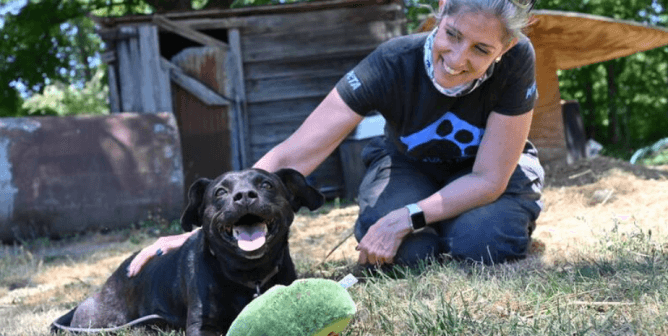
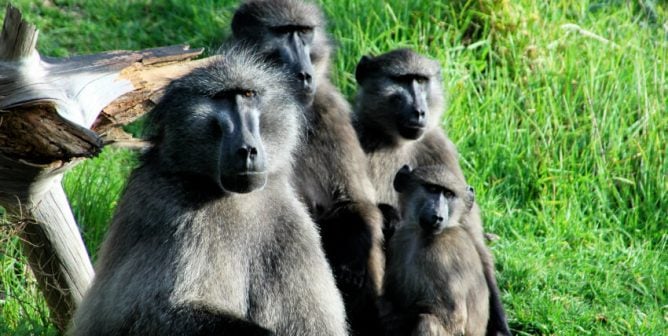
History has shown time and again that this hell-on-Earth facility is a danger to the public and the animals it imprisons.
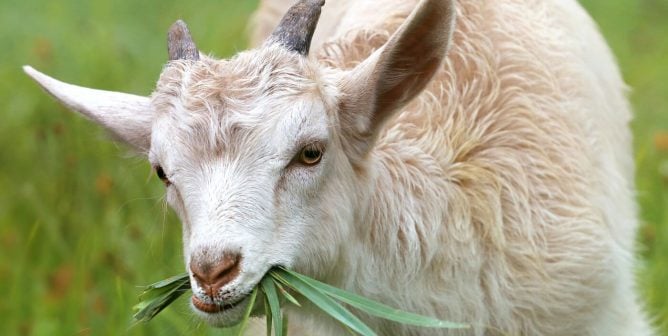
Pi Bioscientific left goats to suffer from emaciation, diarrhea, lameness, and other severe medical problems. Forget embarrassed—this laboratory should be downright ashamed.
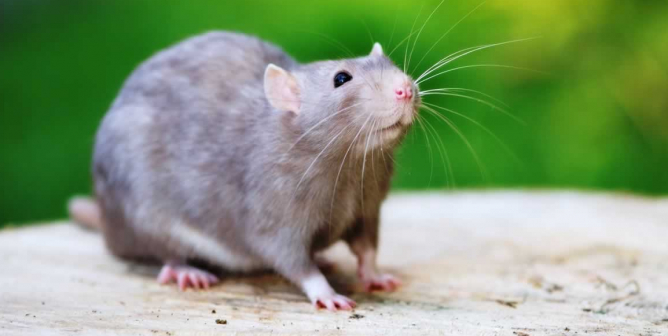
The PETA International Science Consortium works to advance good science that protects both humans and animals.
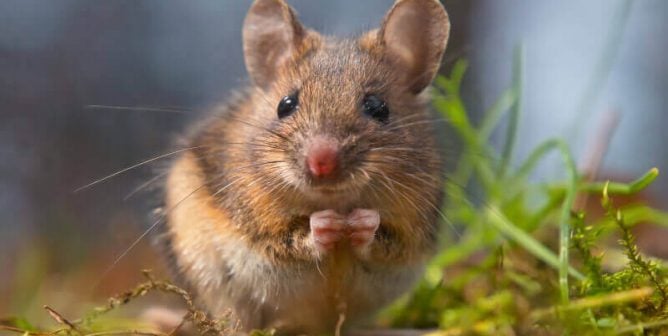
Add General Mills to the list of progressive companies that have worked with PETA to end experiments on animals.
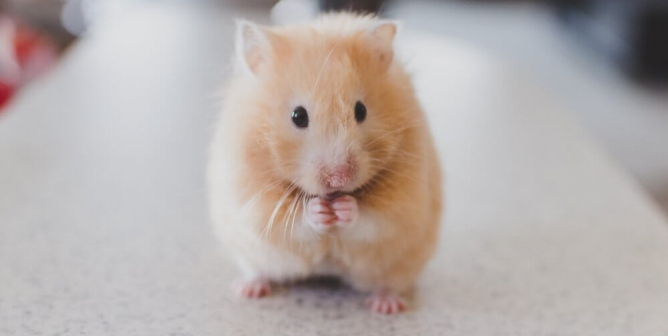
An international vitamin and food company joins a growing list of corporations that we’ve successfully persuaded to end experiments on animals.
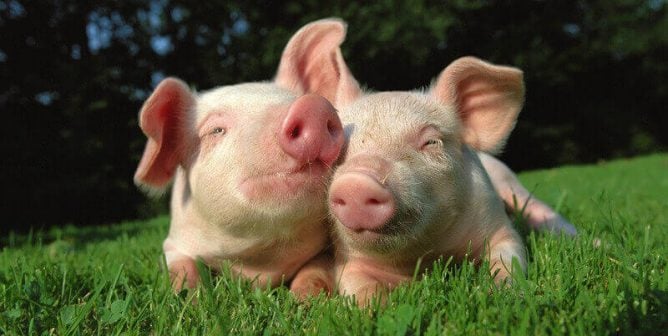
This is what happens when the PETA Science Consortium and US government agencies come together to save animals.
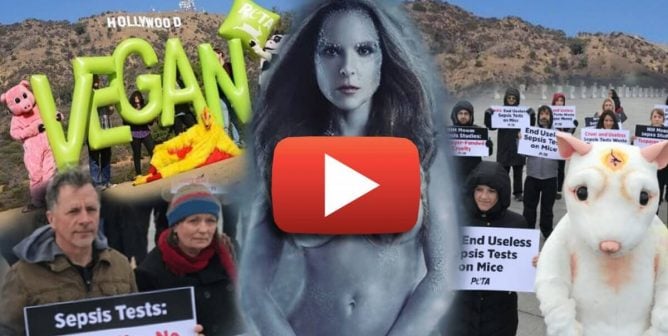
From demonstrating at football games to winning in the courts and rescuing bears, we won’t stop until all animals are liberated.
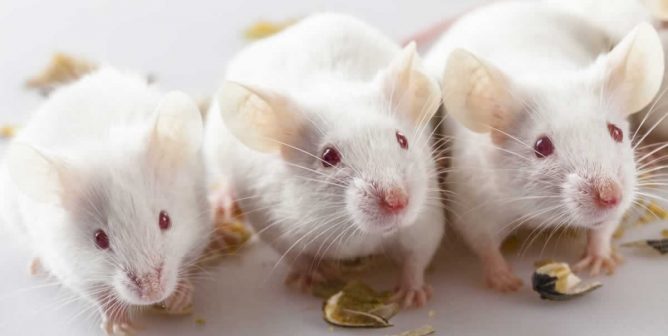
Federal agencies have a new plan to replace testing on animals, and PETA scientists are proud to have advised them on how to move forward.

PETA Germany shows Volkswagen exactly what the company has paid for—and calls for it to ban experiments on animals.
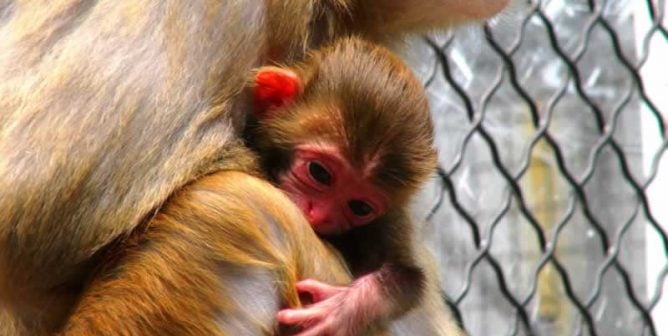
Ethical issues aside, experiments on animals don’t work. Apart from being cruel, here are five important reasons to end them.