
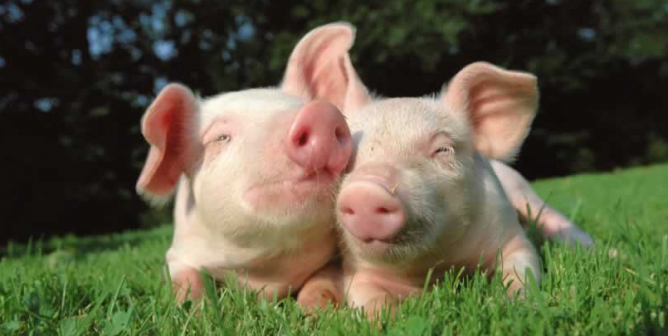
Human simulation technology donated by PETA is helping save lives—both human and animal.
Medical groups representing hundreds of thousands of doctors and physicians-in-training have endorsed humane legislation.

Some veterinary programs require students to perform painful, unnecessary procedures on live animals—but one company is working to change that.

Forward-thinking scientists plan to discuss non-animal research methods at an international conference that could help countless animals.

For years, PETA scientists have been proving that animal experiments are abusive, unreliable, and wasteful and cost both animal and human lives.
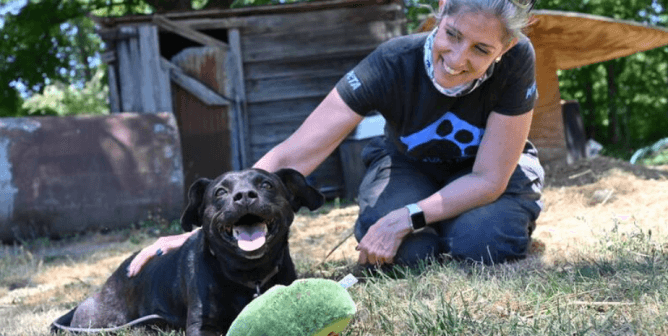
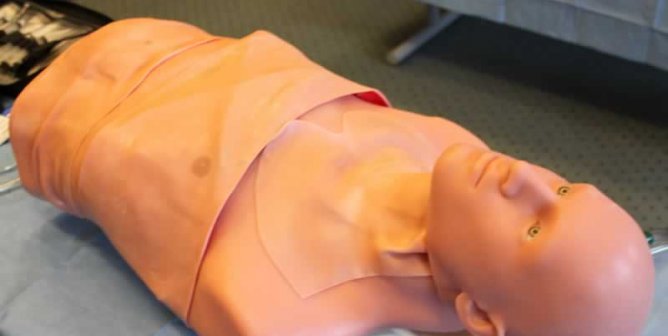
The military’s policy requires using life-like human simulators instead of animals for combat trauma training when possible. PETA’s pushing for more progress.
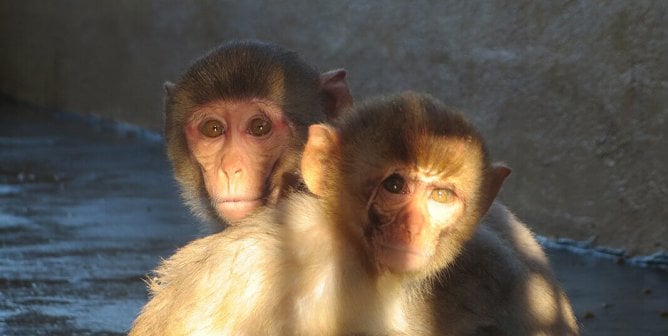
PETA’s eyewitness investigation into Primate Products, Inc., revealed widespread abuse, and for many monkeys, that’s only the beginning.
Australia will soon join the likes of the European Union, Israel and New Zealand in banning the sale of any cosmetics that have been tested on animals.
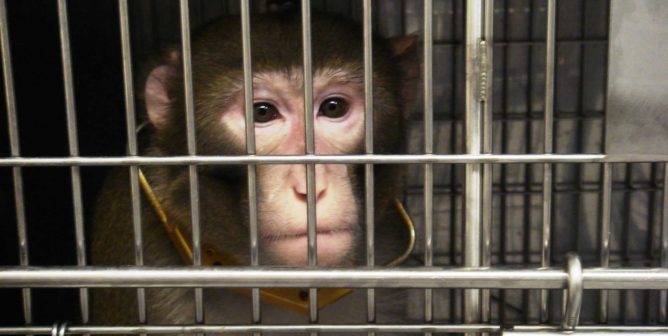
Despite federal warnings, the abuse of animals continues at Oregon Health & Science University’s Oregon National Primate Research Center.

Certain products continue to be tested on animals even when tests that don’t use live animals are available—and PETA scientists have a plan to change that.
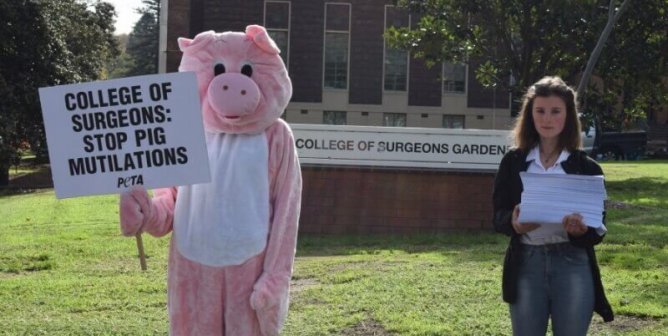
A costumed “pig” delivered a petition with more than 100,000 signatures to the Royal Australasian College of Surgeons demanding they stop using pigs in deadly trainings.
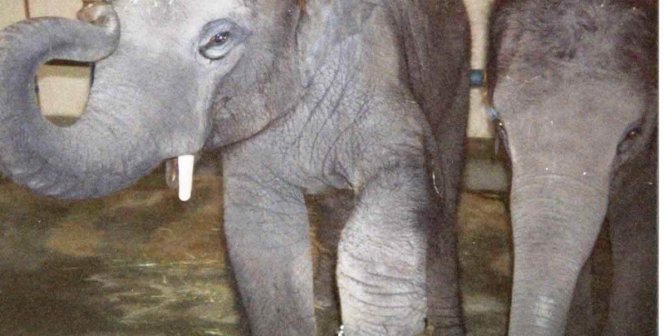
Ringling Bros. employees co-authored a paper published in a leading medical journal, and let’s just say that it has some problems.
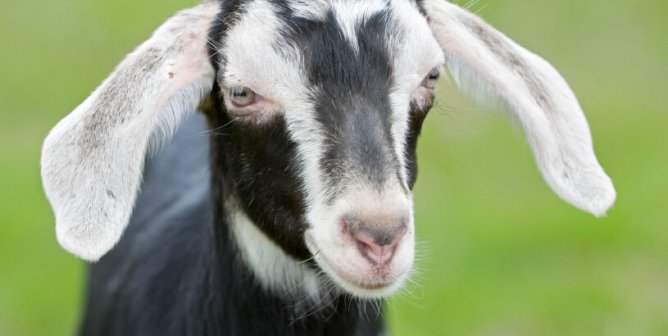
After a goat escapes from horrifying “acute cartilage injury” experiments at the University of Iowa, the college is cited for violating federal animal welfare law.
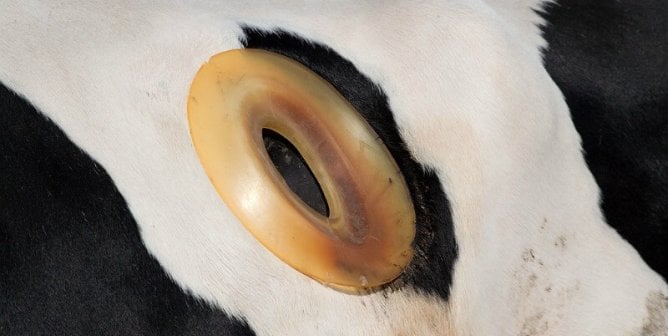
This is not OK.

President Obama just signed a new law that will spare thousands of animals from suffering in laboratories.