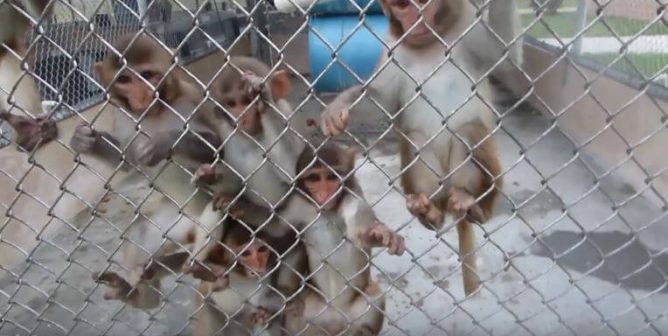
Primate Products, Inc., was exposed by a PETA investigation—but animals who are transferred to other facilities might suffer an even worse fate.
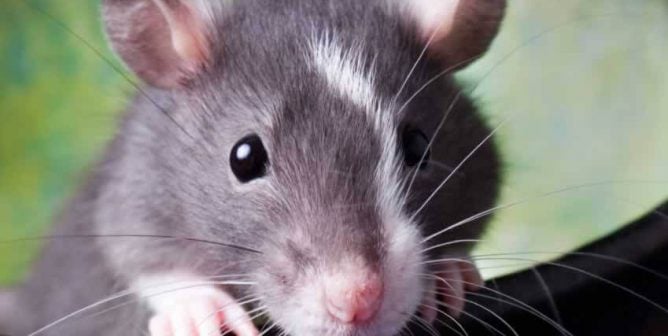
PETA is working with scientists and regulators all over the world to end the use of animals in experiments.
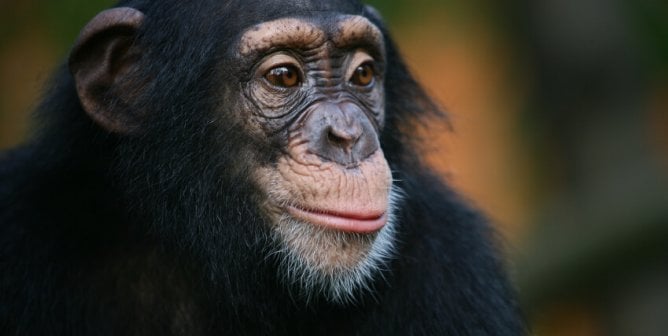
PETA urges NIH to act swiftly and retire the chimpanzees as soon as possible.
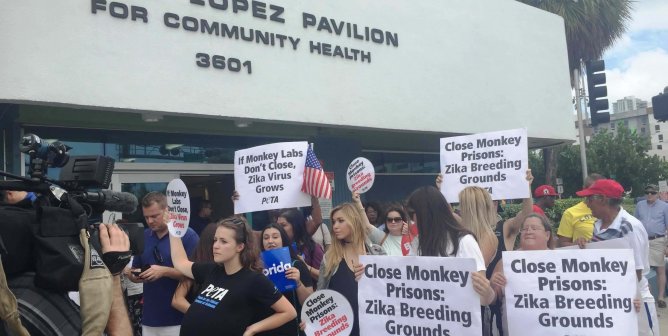
Facilities that import and breed monkeys for laboratories confine thousands of monkeys to outdoor cages, making them breeding grounds for Zika.
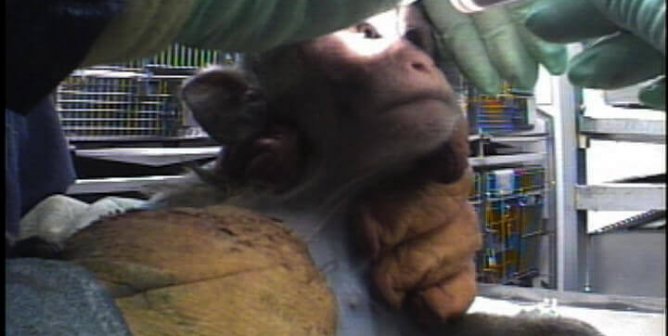
Covance demonstrates once again that it is incapable of complying with laws that stipulate absolute minimum animal welfare standards.

A recent opinion poll shows that a supermajority of Americans are ready to see experiments on animals relegated to the history books.
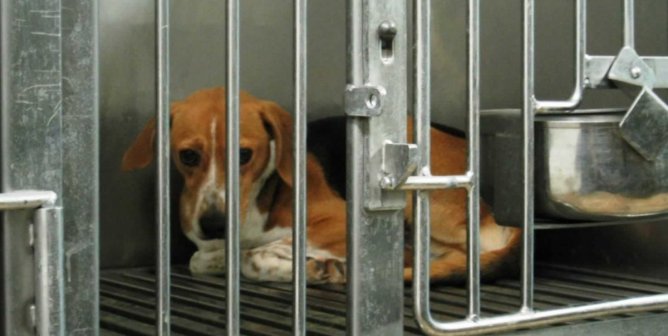
After an insider reported animals suffering at a laboratory, PETA files complaints with the Feds.
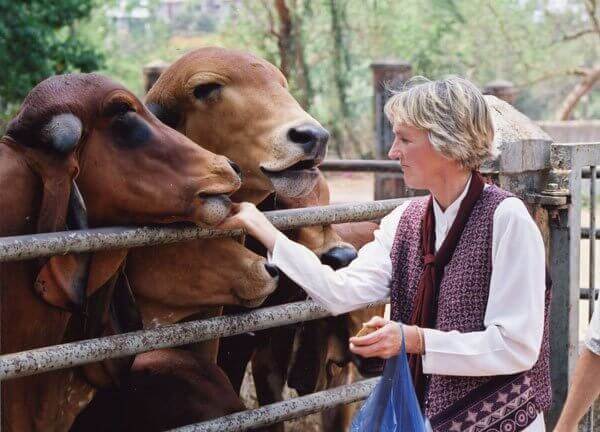
Thanks to PETA India and Indian lawmakers, countless calves, frogs, rats, guinea pigs, and rabbits will never have to endure the horror of life in a lab.
Countless animals will suffer and die in newly required testing for nontraditional tobacco products, and one tobacco industry expert isn’t pleased one bit.
Local landowners take Hendry County to court over primate-breeding facilities that abuse animals and potentially endanger public health.

Goats form emotional relationships with humans—but the military continues to stab, mutilate, and kill these trusting animals in barbaric training exercises.
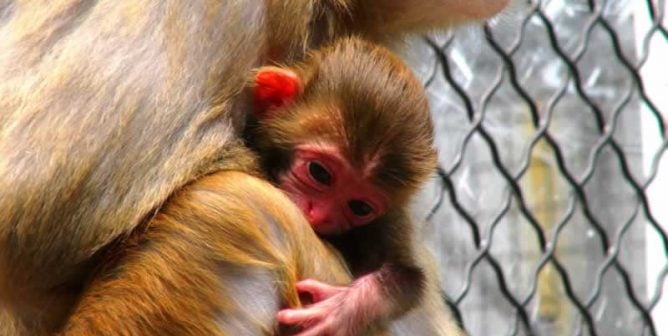
Another day, another scathing indictment of experiments on animals.
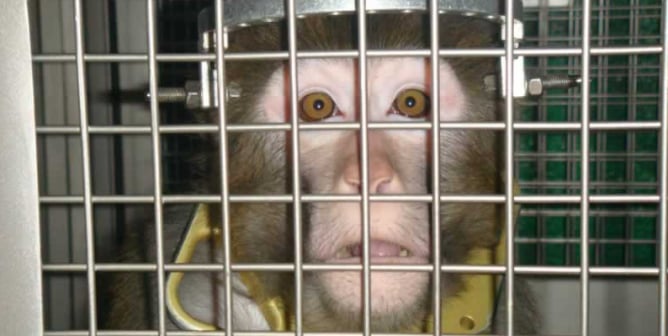
A questionable experiment. A badly burned monkey. A news story that vanishes. What’s really going on inside the University of Utah’s laboratories?

Doctors-in-training will learn to heal patients without harming or killing animals: The last holdouts have ended animal use in medical training.

Drivers on their way to the 2016 UFO Festival in Roswell, New Mexico, this week are in for an eyeful, courtesy of PETA