

PETA’s efforts to persuade the National Institutes of Health to embrace modern, humane research are resulting in significant progress.
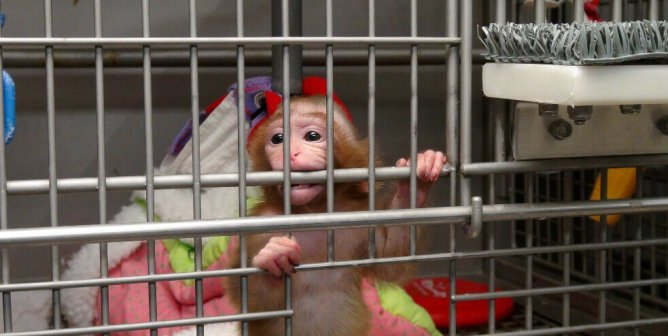
Following pleas from Dr. Jane Goodall, James Cromwell, and Bob Barker, Congress calls for an ethical review of NIH’s cruel baby-monkey experiments.
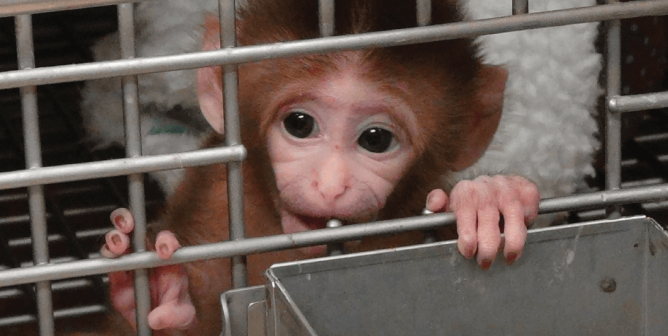
Congressional reps rush an urgent letter to NIH imploring the agency to retire all the monkeys from its maternal-deprivation experiments to sanctuaries.
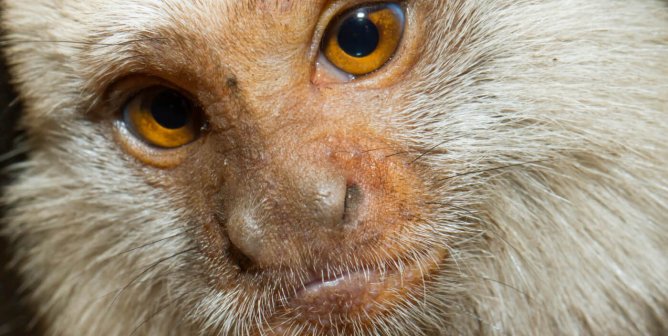
“Wastebook: The Farce Awakens,” Sen. Jeff Flake makes a “Star Wars”–themed attack on wasteful government spending.
Baby monkeys will no longer be torn away from their mothers and terrorized by government experimenters.

New 3D printers will create things you never could imagine, and animals and people will benefit.
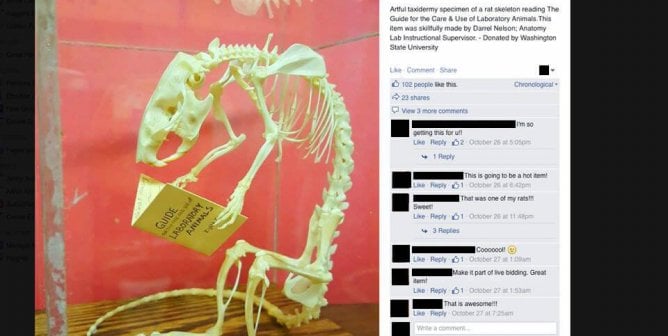
PETA asked the American Association for Laboratory Animal Science to remove the repulsive item from its auction—a rat skeleton posed with a guide about caring for animals in laboratories.
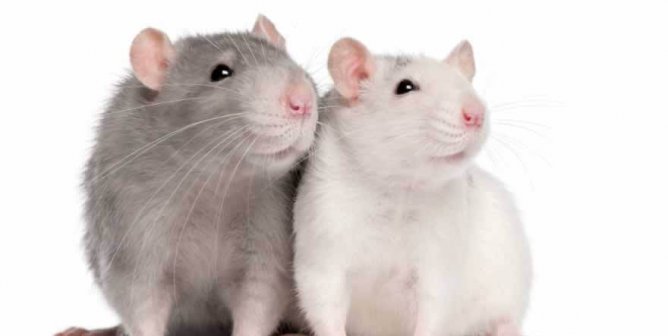
Modern technology could save tens of thousands of animals from being killed for their antibodies.
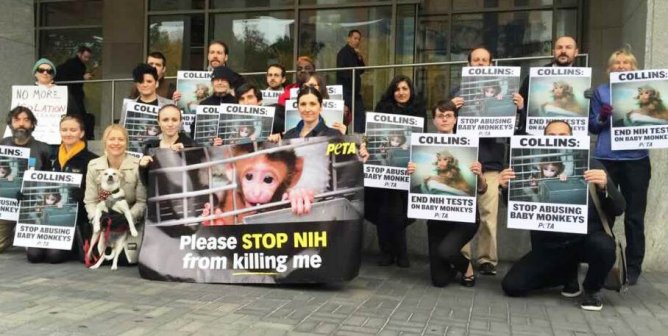
PETA supporters outside the American Academy of Pediatrics conference demanded an end to the highly controversial, much-criticized experiments on infant primates.
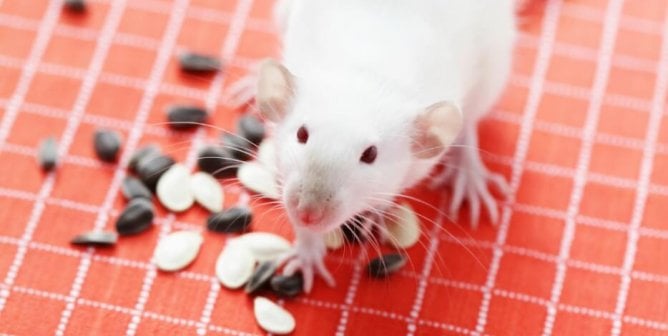
Researchers in the U.K. have received more than $600,000 to save women’s and animals’ lives.
Researchers at Ohio State University are making strides in understanding memory loss by studying how memories are processed in the human brain.
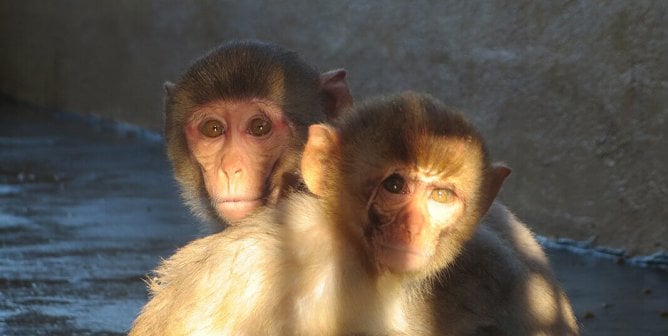
Following PETA’s investigation, the notorious primate dealer is taking a serious financial hit.

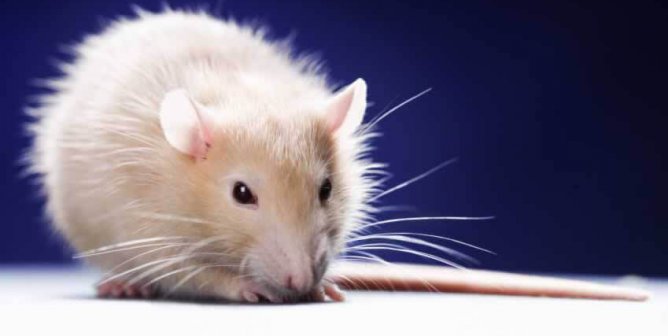
Mice and rats account for 95 percent of the animals in laboratories—yet they aren’t reliably counted. One U.S. legislator knows it’s time for a change.
An innovative company makes watching cancer grow kind of cool.
A leading medical journal explains why publishing findings from experiments on animals is misleading, a hindrance to progress, and “unethical.”