
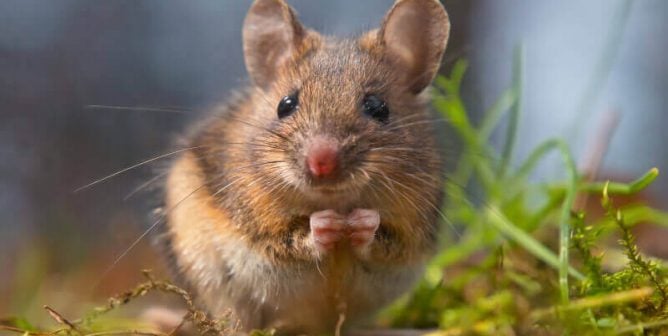
A recent opinion poll shows that a supermajority of Americans are ready to see experiments on animals relegated to the history books.
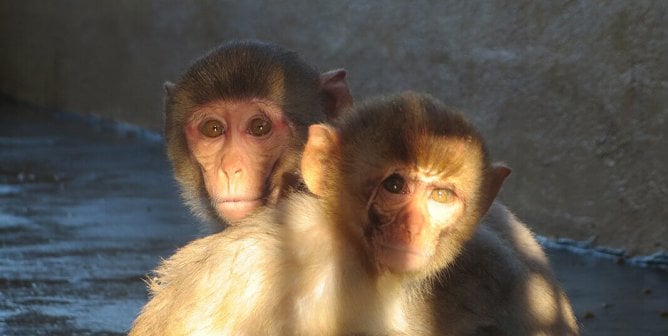
Local landowners take Hendry County to court over primate-breeding facilities that abuse animals and potentially endanger public health.
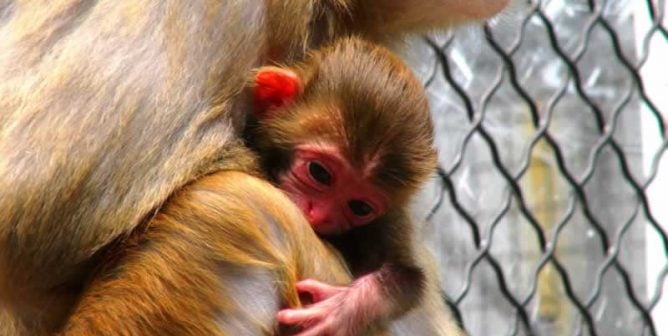
Another day, another scathing indictment of experiments on animals.
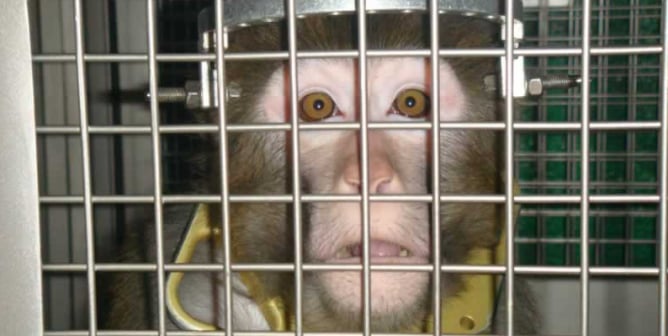
A questionable experiment. A badly burned monkey. A news story that vanishes. What’s really going on inside the University of Utah’s laboratories?

Doctors-in-training will learn to heal patients without harming or killing animals: The last holdouts have ended animal use in medical training.

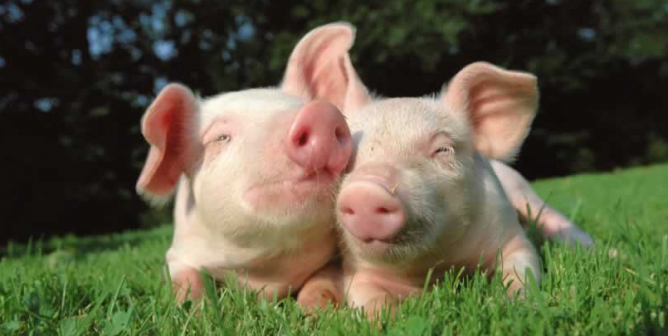
Human simulation technology donated by PETA is helping save lives—both human and animal.

Forward-thinking scientists plan to discuss non-animal research methods at an international conference that could help countless animals.

For years, PETA scientists have been proving that animal experiments are abusive, unreliable, and wasteful and cost both animal and human lives.
PETA’s eyewitness investigation into Primate Products, Inc., revealed widespread abuse, and for many monkeys, that’s only the beginning.
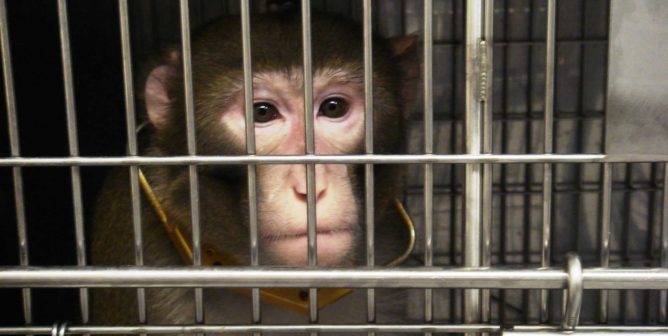
Despite federal warnings, the abuse of animals continues at Oregon Health & Science University’s Oregon National Primate Research Center.
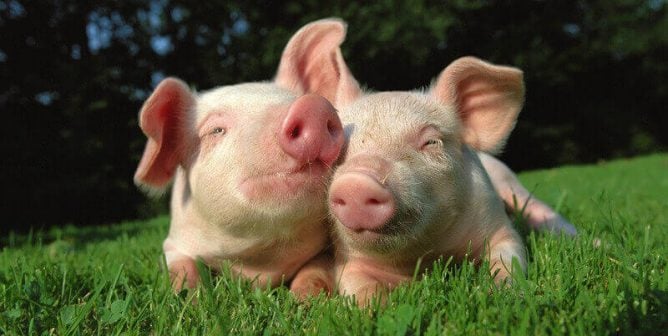
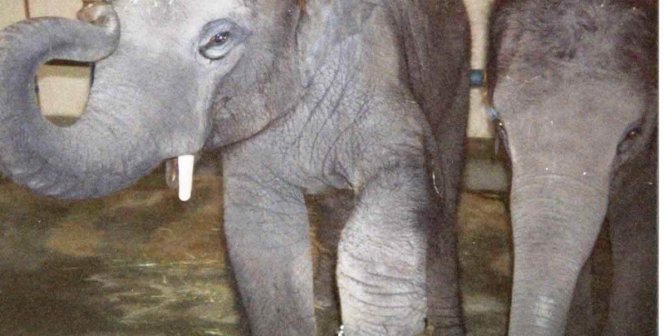
Ringling Bros. employees co-authored a paper published in a leading medical journal, and let’s just say that it has some problems.
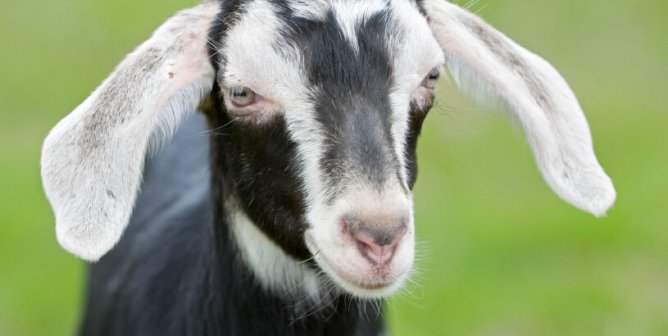
After a goat escapes from horrifying “acute cartilage injury” experiments at the University of Iowa, the college is cited for violating federal animal welfare law.

The U.S. Department of Agriculture (USDA) reported that the facility must pay a $3.5 million penalty and stop using animals to make antibodies.
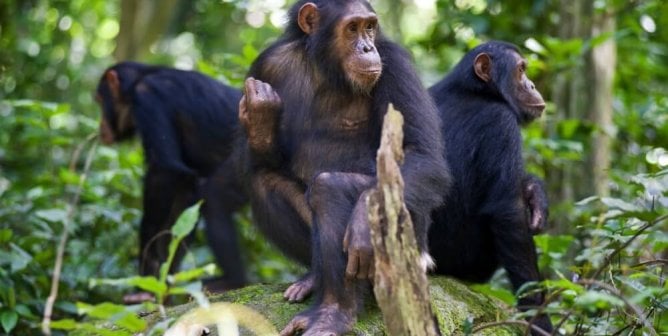
Now that it’s illegal to conduct invasive experiments on chimpanzees, the New Iberia Research Center is sending 220 chimpanzees to a sanctuary.
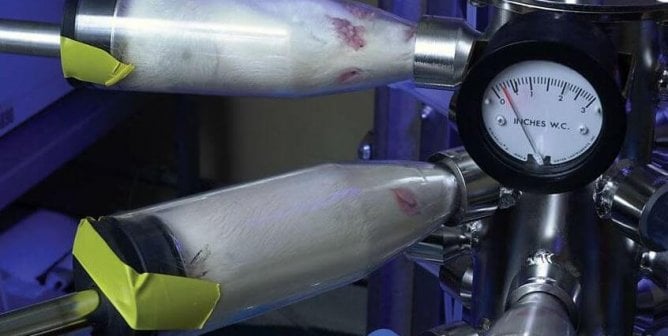
Scientific journals have published recommendations from a PETA International Science Consortium workshop for predicting lung toxicity with non-animal methods.