
Make This Passover the Most Meaningful One Yet With a Compassionate Vegan Seder
Observed for a week each year, Passover tells a timeless story of dignity, hope, and liberation, teaching us that all suffering matters to God. Pesach, the Hebrew word for Passover, means to show mercy. This mercy is what freed a people from slavery in the biblical story, and it’s just as relevant today. As we reflect on overcoming oppression during this sacred time, we must ask ourselves: How can anyone truly honor freedom and mercy while the flesh of another animal is on their plate?
Cruelty Has No Place on the Passover Plate
Today, billions of our fellow animals suffer in industries that exploit and kill them for “food.” Most spend their lives in filth and confinement, never able to look up at the sky or feel grass beneath their feet. Sensitive hens, who teach calls to their chicks before they even hatch, can’t raise their families, build nests, or roost in trees in the crowded sheds that farms confine them to. Social cows, who form lifelong friendships, can’t nurture their calves when dairy farm workers take their babies from them.
Every animal is an individual who feels joy, pain, and fear. If we really want to practice the values that Passover teaches, we must recognize that peace and liberation should extend to everyone.
Show Respect for All Life With Your Seder
Prayers said on Passover call on us to be kind to those who are now oppressed and to deepen our commitment to liberty today. What better way to celebrate the spirit of the holiday than by going vegan?
“It appears that the first intention of the Maker was to have men live on a strictly vegetarian diet. The very earliest periods of Jewish history are marked with humanitarian conduct towards the lower animal kingdom. … It is clearly established that the ancient Hebrews knew and perhaps were the first among men to know, that animals feel and suffer pain.”
—Rabbi Simon Glazer
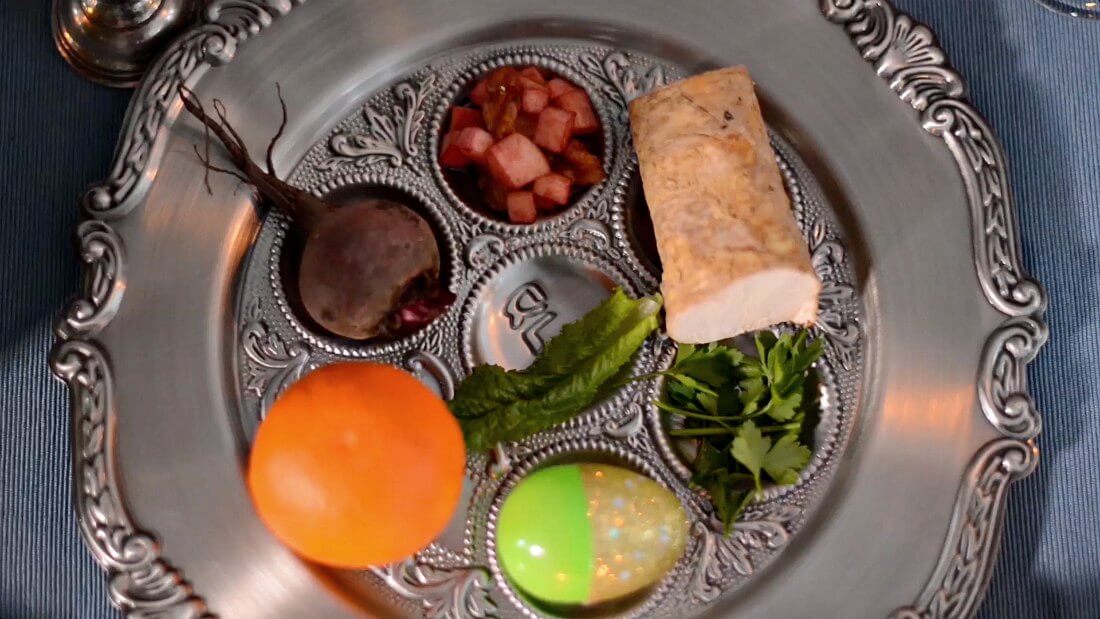
The first day of Passover begins with the Seder feast, which is an opportunity to keep kindness on the plate. Adding a flower to the ritual Seder plate—instead of a chicken’s egg—truly celebrates spring and life. And in place of the customary “shank bone,” usually taken from a slaughtered lamb, many Jews use a beet to represent sacrifice, as allowed in the Talmud.
As for the rest of your Passover spread? Fill the table with an abundance of tasty vegan foods, from creamy, dairy-free butter and cream cheese to spread on matzo, fluffy, egg-free matzo ball soup, sweet, honey-free charoset, and more. Explore PETA’s vegan Passover recipes for a feast that’s as delicious as it is compassionate.
Add a Mitzvah to Your Matzo
If you want to do a true mitzvah (good deed) this Passover, pledge to go vegan—not just for the holiday, but all year round. By living vegan, you can save animals, protect the planet, and improve your own health. Be a good mensch: Make the compassionate switch today!

Marriott has already made progress for animals. Now, James Cromwell is asking the company to take the next step by offering vegan eggs at every property.
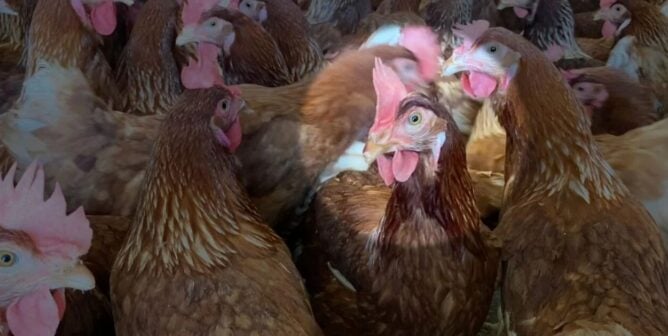
She and the 10,000 others trapped in this shed just want to be free. Watch PETA’s latest video and find out how to help birds like her now!
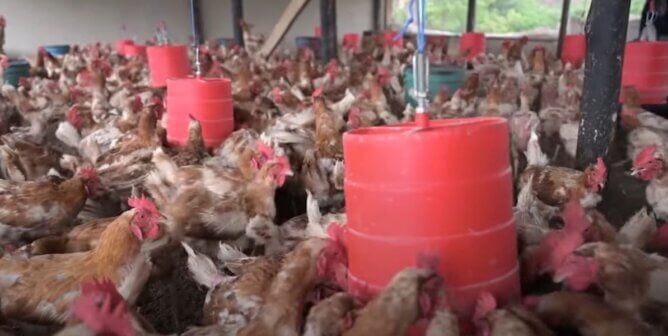
What happens when people learn how hens actually live on “cage-free” farms?

