Air Travel With Your Animal Companion
Though flying might sometimes seem to be the fastest and least stressful way to go, it can turn out to be the opposite if your animals are forced to fly in the cargo hold.
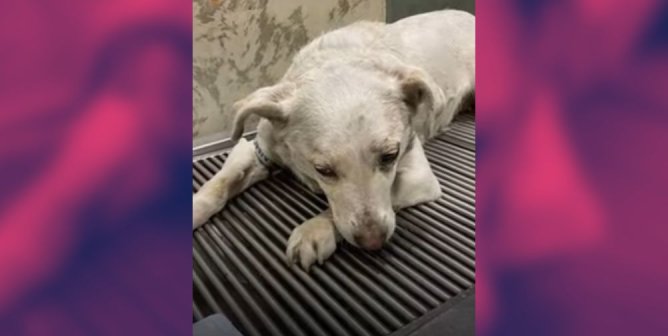
According to the Airline Transportation Association, more than 5,000 animals are killed, injured, or lost on commercial flights each year. Horror stories include that of a dog named Enzo, who died of heat stress in the cargo bay despite the fact that his human companion repeatedly asked the airplane crew to check on him as the plane sat delayed for hours on the runway. Another dog named Jed was brought out of the holding bay not breathing and covered in urine, feces, and vomit. He had died of suffocation from a lack of oxygen. Still more animals froze to death or were injured from rough handling.
We strongly advise against transporting your animal companion by air in the cargo area.
Some airlines allow animals to travel in the main cabin, and some only allow animals to be checked as baggage. Some airlines restrict the times of year that animals can fly in the cargo hold; Southwest and Jet Blue do not allow animals to be checked as baggage and Florida-based Companion Air —a small airline hoping to get off the ground soon—will cater to people and their animals by allowing all members of the family to ride in the cabin. Phoenix Sky Harbor International Airport has dog parks and a rest area for animals just outside its main terminals.
Flying an animal in the cargo compartment can be extremely dangerous—even fatal. Of the hundreds of thousands of animals who are put on airplanes every year, thousands die for a variety of reasons. Cargo holds generally have no heat or air conditioning, and they can reach extreme temperatures quickly. Most cargo compartments are kept unventilated in order to help prevent fires. Sometimes cats and dogs escape from carriers that have been damaged in transit and become lost inside airplanes or airplane hangars. As of June 2005, airlines are required by law to produce monthly reports of animals’ deaths or injuries for the U.S. Department of Transportation, and consumers will be able to review those reports.
If your animal friend must fly, here are some tips to help make the experience a safe one:
- When making reservations, let the airline know that you will be taking an animal with you. All airlines have restrictions and rules when it comes to flying with animals, and it’s best to understand and follow them in order to avoid problems.
- If you are traveling abroad or to Hawaii, check with the appropriate embassy for its quarantine laws. If you absolutely must put your animals in quarantine, be sure to visit them every single day to alleviate their anxiety, boredom, and loneliness. We strongly advise against putting an animal companion through the stress of a quarantine.
- Be sure to use a sturdy, escape-proof carrying kennel because cats can easily squeeze through small openings. Appropriate carriers are required by most airlines and are available through airlines or at pet supply stores. Double-check the carrier’s clasp and consider padlocking it. The carrier must be adequately ventilated and have at least a 3/4-inch rim around the sides so that the air holes won’t be covered if the cage is pressed against other boxes.
- Open the carrier several days before the trip and put blankets, toys, and treats inside so that your animal companion will view it as a cozy den. Do not put a leash inside the carrier because your animal could become entangled in it and be strangled.
- To avoid causing your animal to have an upset stomach, do not feed him or her for several hours before the flight. Give your animal water immediately before placing him or her in the carrier. Only tranquilize animals if they are frantic and could hurt themselves trying to escape. In this case, use a veterinarian-prescribed tranquilizer or a natural herbal remedy—but be sure to test it ahead of time to make sure that it will work for your animal.
- Make sure that your animal companion is wearing a collar and an identification tag. Take some temporary tags with you—one for each place where you will be staying. (Be sure to keep the permanent tag on too.)
If you absolutely must fly your animal friend in the cargo hold, take the following precautions:
- Always book a nonstop flight. During transfers, animals are at an increased risk for accidents, trauma, and escape. If you must transfer, ask about the airline’s transfer policy. Most will not transfer animals to a connecting flight; you will need to retrieve them at the baggage claim area and recheck them.
- Avoid traveling in extreme temperatures. Most airlines now do not allow animals to fly in the cargo hold during hot summer months.
- Verify that the kennel’s baggage claim tag shows the correct destination and is securely attached.
- Mark the kennel with the animal’s name and your name, address, phone number, and destination. Write “live animal” in at least 1-in.-high letters with arrows showing which side is up. Because the baggage compartment of the plane contains areas in which animals cannot be safely placed, make sure that airline workers place your animal in the proper area. Tape a note to the kennel with large letters reading, “Please make sure I’m placed in the live bin!”
- Fill your animal’s water dish with ice cubes instead of water, which can easily spill.
- When you check in, ask the gate agent if you can speak to the ramp supervisor for your flight to offer that person any information that you think may be useful about the handling of your animal.
- If the flight is delayed, inform the crew that an animal is on board and ask that the captain be informed. If the delay is lengthy, your animal must be removed from the plane until flight time. Insist on this. You are the only person who is going to protect your animal.
- Watch as your animal is loaded into the cargo area to ensure that he or she is on your flight. If you cannot see the loading of the cargo area, ask the flight attendant to phone the cargo area to make sure that your animal is on the flight before you board.
- When you reach your destination, retrieve your animal immediately. If you notice anything wrong, rush to a veterinarian.
Actions to Take if Your Animal Companion Is Mistreated by an Airline
1. Write a letter of complaint detailing the mistreatment and send it to the CEO of the airline. Please be sure to specify the date of the event and your flight number, and mention the names of the airline personnel who were involved.
2. Send a copy of this letter to the U.S. Department of Agriculture, whose job it is to make sure that airlines and other industries are not operating in violation of the federal Animal Welfare Act:
USDA
Animal Care
4700 River Rd., Unit 84
Riverdale, MD 20737-12323
3. Warn others of the airline’s neglect in a letter to the editor of your local newspaper.