Glue Traps: Pans of Pain
What are glue traps? One of the cruelest methods of killing animals in existence today.
A glue trap is a small board made of cardboard, fiberboard, or plastic that’s coated with a sticky adhesive. It can ensnare any small animal who wanders across or lands on its surface.
Glue Traps Cause Prolonged Suffering
Animals trapped in the glue panic and struggle, which causes them to become even more helplessly stuck. Often, the glue tears off their fur, feathers, or skin. Some break bones or even chew off their own limbs in a desperate attempt to escape.
The screaming of ensnared wildlife is extremely upsetting to people who don’t know how to “dispose” of these sentient beings. Left alone, the terrified, injured animals die, sometimes days later, of blood loss, shock, suffocation, or thirst. Or they die from being crushed in the garbage, which is where the instructions on the traps advise consumers to put them.
Glue Traps Are Completely Indiscriminate
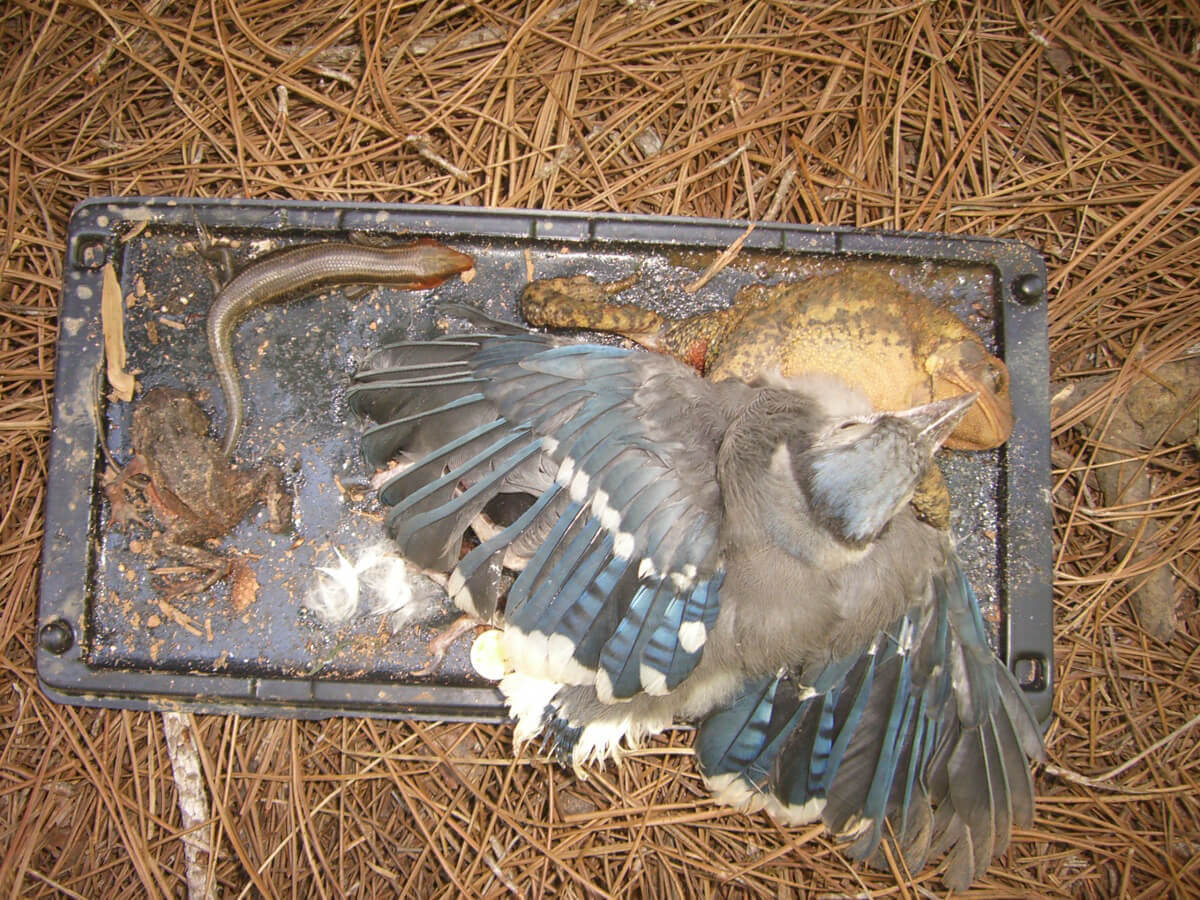
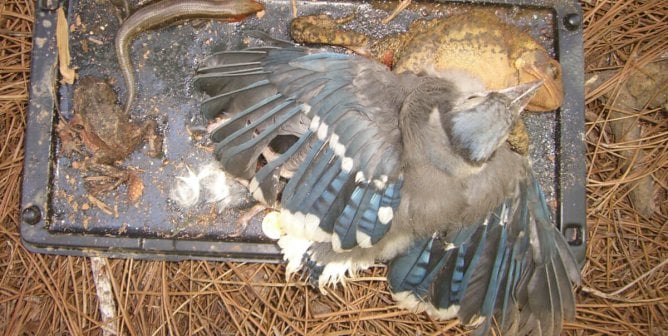
PETA fields calls on a regular basis from distraught individuals who have discovered birds, lizards, snakes, bats, chipmunks, squirrels, and even their own animal companions hopelessly stuck to these sticky boards.
Glue Traps Are a Health Hazard
The U.S. Centers for Disease Control and Prevention warns the public not to use glue traps because they increase people’s exposure to disease. Animals stuck in the glue continue to produce urine and feces, through which pathogens, including hantavirus, salmonella, and the bacteria that cause leptospirosis, are transmitted.
Glue Traps Don’t Work
Glue traps are not a long-term solution for controlling “unwanted houseguests.” When rodents are killed, the survivors breed faster, which causes an increase in the population! And the devices fail to address the source of the problem: If holes aren’t plugged up and attractants aren’t removed, more animals will move in to take the place of those who have been killed.
Further, glue traps are cost prohibitive because their adhesive becomes inert after two weeks.
Poisons are extremely toxic and cruel, too, and should never be used. If lethal methods of rodent control are insisted upon, they should at least guarantee a quick death.
Always Be Kind to Rodents
The only long-term way to control rodent populations is to make the area unattractive or inaccessible to them. Eliminate their food sources by keeping counter surfaces, floors, and cabinets clean, and store dry food and pet food in chew-proof containers. Seal trash cans (use bungee cords on lids), never feed companion animals outside, pick up fallen fruit and vegetables in orchards and gardens if possible, and never feed wildlife. Reduce hiding places by keeping grass and vegetation trimmed back and outdoor furniture, grills and barbecues, and wood piles away from buildings.
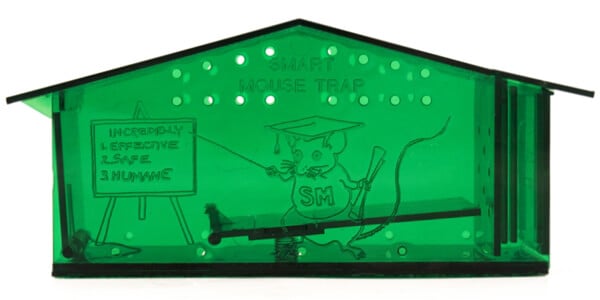
Ammonia-soaked cotton balls or rags will drive rodents out (they hate the smell). Place them in areas where rodents, droppings, or nests have been seen, and be sure to give the animals a few days to leave. Then, to keep unwelcome “visitors” out, seal entry points using foam sealant, steel wool, hardware cloth, or metal flashing. If any rodents need to be removed from homes, this can be done with humane cage traps. PETA has carried a “smart” mousetrap in our shop for years because it’s effective and humane, and it’s one of our top-selling items.
To be humane, live traps must be checked hourly since trapped animals can quickly die from stress, exposure, or dehydration. Also, rodents must be released within 100 yards of where they were found because animals who are relocated beyond their natural territory have trouble finding adequate food, water, and shelter and die as a result. When not in use, humane traps should be scrubbed with a mild bleach solution (to eliminate food smells), disabled, and securely stored—otherwise animals can become trapped unbeknownst to the user!
Read more about proven humane rodent-control methods.
Did You Find an Animal on a Glue Trap?
If you encounter an animal who is stuck to a glue trap, place a few drops of cooking oil or baby oil in between the glue and the animal, and gently work the animal free. Be sure to keep oil use to a minimum, otherwise oiled animals can perish from exposure later on. While removing the animal from the glue, slide tissue or paper underneath freed body parts to prevent them from getting re-stuck. Once free, active and alert rodents can be released outdoors during good weather within a one-block radius of where they were discovered. Lethargic or imperiled animals, or animals caught during extreme weather, should be rushed to a local veterinarian or wildlife rehabilitator or call PETA for guidance.
The Way Forward
England, Germany, Iceland, Ireland, the Netherlands, New Zealand, Norway, two states and one territory in Australia, and 32 Indian states and union territories have banned glue traps. Hundreds of companies and other entities have prohibited their sale or use, including Target, Dollar General, Dollar Tree, Rite Aid, CVS, Walgreens, Walmart Canada, JPMorgan Chase & Co., Public Storage, and more than 100 airports. Major Indian e-commerce websites, including Amazon India, JioMart, Meesho, Snapdeal, and Flipkart, have also removed glue traps from their platforms.
If you ever see that glue traps are being used to capture and kill animals, contact those responsible, ask them to stop using the traps, and then contact PETA. Also, wherever you see glue traps sold, be sure to send a polite letter to the store manager asking that the store stop selling them, and have your friends do the same.
Please explore PETA.org for more information about living in harmony with wildlife.
Urgent Alerts
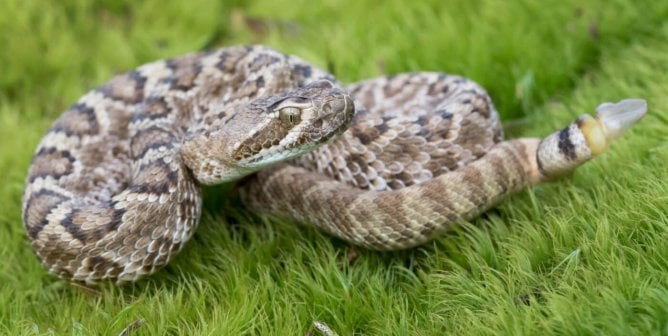
Let the event organizers and officials in the following cities know that you’re appalled by their support of this carnage. Urge them to scrap the events and leave these animals in peace.
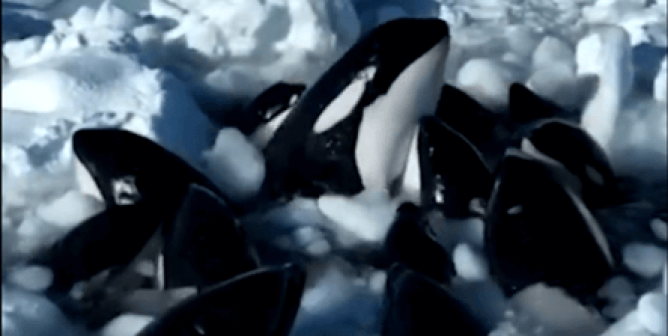
Update (February 7, 2024): Thank you to everyone who contacted officials in Japan regarding the group of orcas who were trapped in thick sea ice. News sources now report that some of the ice melted or shifted enough that the orcas were able to escape! These magnificent animals are now free to live as nature … Read more »