Family Business, Federal Power, and a Pipeline to Experimentation: The Scandal PETA Exposed First
At a recent international wildlife conference, a senior U.S. government official dismissed concerns about disease transmission in the wildlife trade and opposed new measures to protect animals and humans. Perhaps that official’s immediate family business may explain why. It profits from that trade, raising potential—and serious—conflicts of interest.
Speaking at the July 15 meeting of the Convention on International Trade in Endangered Species of Wild Fauna and Flora (CITES), Jenifer Chatfield, deputy assistant secretary for fish and wildlife and parks at the U.S. Department of the Interior, pushed back on proposals to expand CITES’ role in addressing well-established disease risks associated with wildlife trade.
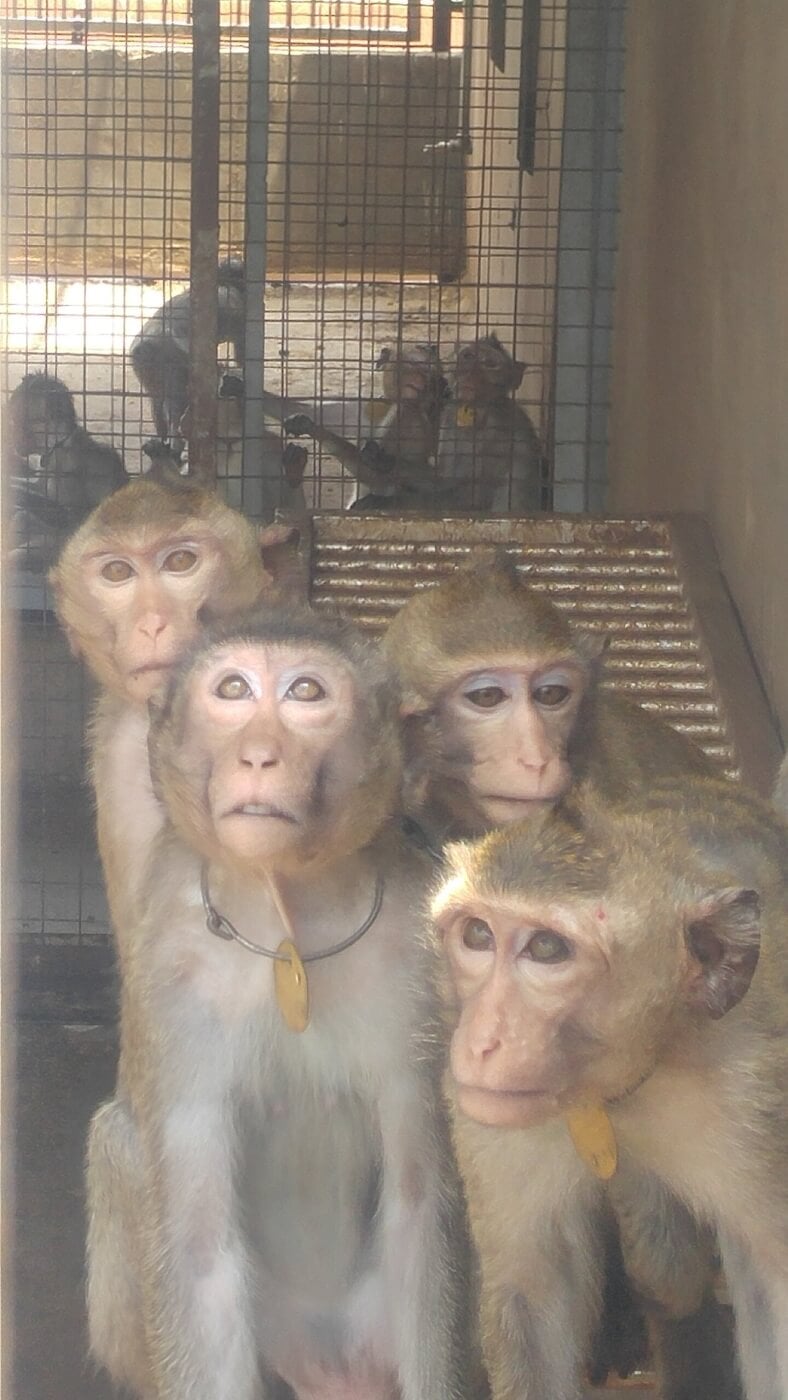
Yet, as PETA has revealed, traumatized monkeys imported to the U.S. from Africa and Asia to be harmed and killed in laboratories are bringing deadly diseases transmissible to humans with them.
“The United States’ position,” Chatfield said, “is that legal and well-regulated wildlife trade, whether live animals or components thereof, is not currently a significant zoonotic disease pathway … The United States opposes any use of zoonotic disease prevention rationale as a backdoor justification for new trade suspensions or listing actions that are not grounded in a species- and pathway-specific risk assessment.”
Chatfield’s downplay of zoonotic disease risks and dismissal of proposed new trade restrictions come at a time when such restrictions could become a reality. Three months before this meeting, U.S. Representatives introduced the PRIMATE Act, a bipartisan bill that would end the importation of monkeys for experimentation to reduce the documented public health, biosecurity, and animal welfare risks associated with the global primate trade. The animal experimentation industry is fiercely opposing the legislation because it threatens a pipeline worth millions of dollars.
Rather than using her expertise in infectious disease to address serious risks to animals and public health, Chatfield appears determined to protect the business interests of a handful of companies that profit from importing monkeys.
The Inside Track
Chatfield’s family operates 4J Conservation Center, which breeds and sells lemurs and confines other exotic animals. Until recently, the facility listed Chatfield as its veterinarian, despite her financial disclosure certifying that she left 4J in 2023.
The Chatfield family business sells or loans animals to roadside zoos, amusement parks, and private facilities. From 2020 to 2024, it sent more than 40 lemurs to Jungle Island, an “eco-adventure” park in Miami where visitors pay $85 to feed and “play” with the animals.
The business holds permits from the U.S. Fish and Wildlife Service (FWS) allowing trade in captive-bred endangered species. Those permits must be renewed every five years by FWS—the agency Chatfield now helps oversee.
4J’s license came up for renewal in June 2025. Chatfield was listed on the application as 4J’s veterinarian, and it included a copy of her resume. According to the New York Times, despite an apparent conflict of interest, Chatfield was involved with deciding whether the license should be renewed. She approved it in a single day.
Chatfield’s father is also a founder of the Zoological Association of America (ZAA), a trade organization that has historically catered to substandard roadside zoos and accredits a number of facilities with lengthy records of animal-welfare violations. The ZAA gives its stamp of approval to facilities that force wild animals like lemurs, elephants, and sloths into dangerous and stressful public encounters.
Rusty Cages, No Water
The Chatfield family business apparently can’t even meet minimum federal animal welfare requirements.
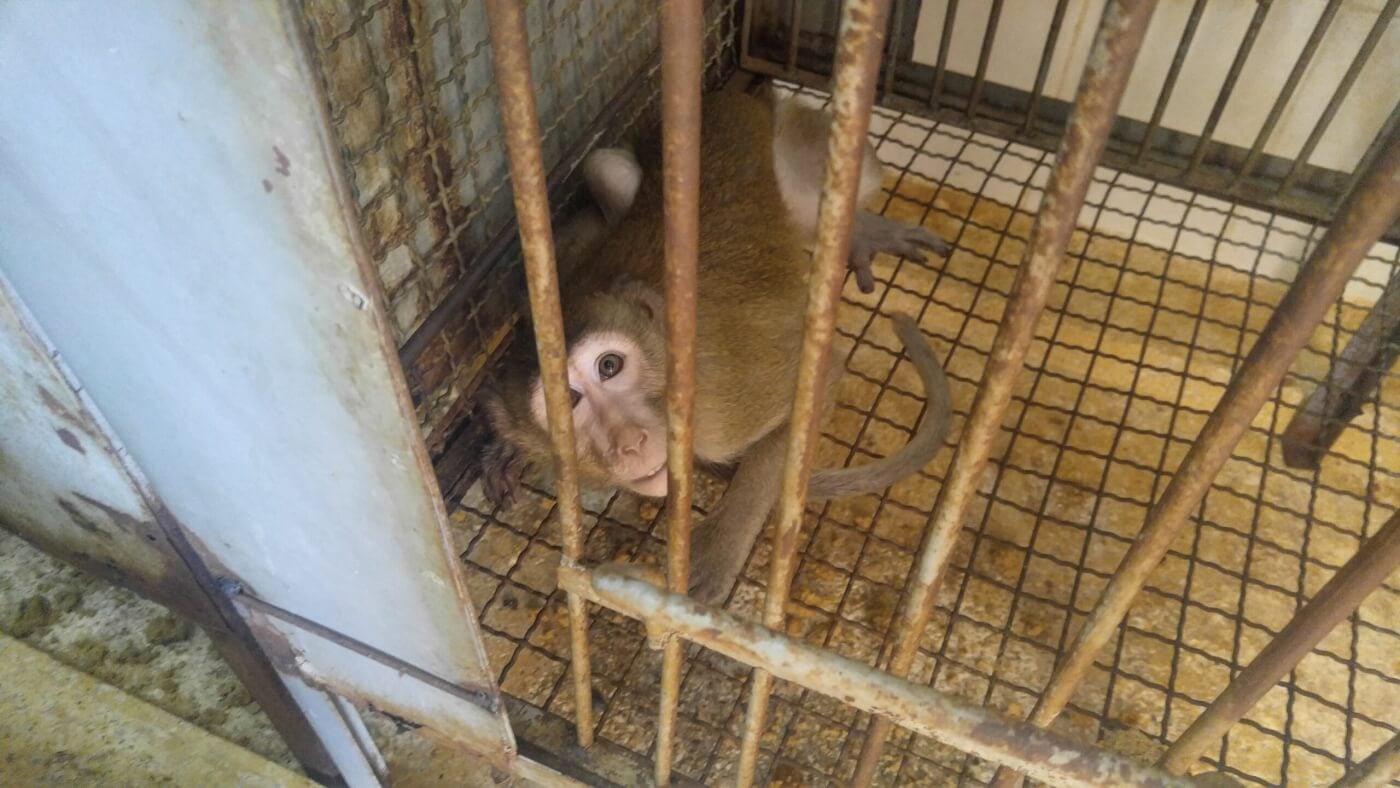
In June, the U.S. Department of Agriculture slapped 4J with two citations for violations of the federal Animal Welfare Act. Inspectors found lemurs left without water and multiple cages rusted through, leaving holes and jagged cage bars.
Inspectors noted five lemurs left with dry water bowls were so thirsty that they drank furiously once staff provided water, and that the decrepit cages throughout the facility posed both a safety hazard and an escape risk.
Who Does Chatfield Work For, Anyway?
Chatfield’s apparent conflicts of interest have raised questions in Congress.
In April, U.S. Reps. Jared Huffman and Maxine Dexter, both ranking members of the House Oversight & Investigations Subcommittee, called on the Inspector General to investigate Chatfield’s potential conflicts of interest.
“Rather than making decisions as a high-ranking official in the interest of the American people, she appears to be involving herself in decisions that would directly benefit her family business and those of her allies,” the lawmakers wrote.
It is unknown whether any investigation is underway or planned.
PETA’s Objections
PETA was the first to sound the alarm on Chatfield.
In 2019, PETA Chief Legal Officer Jeff Kerr raised concerns about Chatfield’s role as vice chair of the International Wildlife Conservation Council, citing her involvement with 4J Conservation Center and questioning whether her ties to the captive wildlife industry posed a potential conflict of interest.
What Does This Mean?
Chatfield’s deep ties to the wildlife trade, questions surrounding her financial disclosures, and possible ethics investigation cast doubt on her ability to make independent decisions in the public interest.
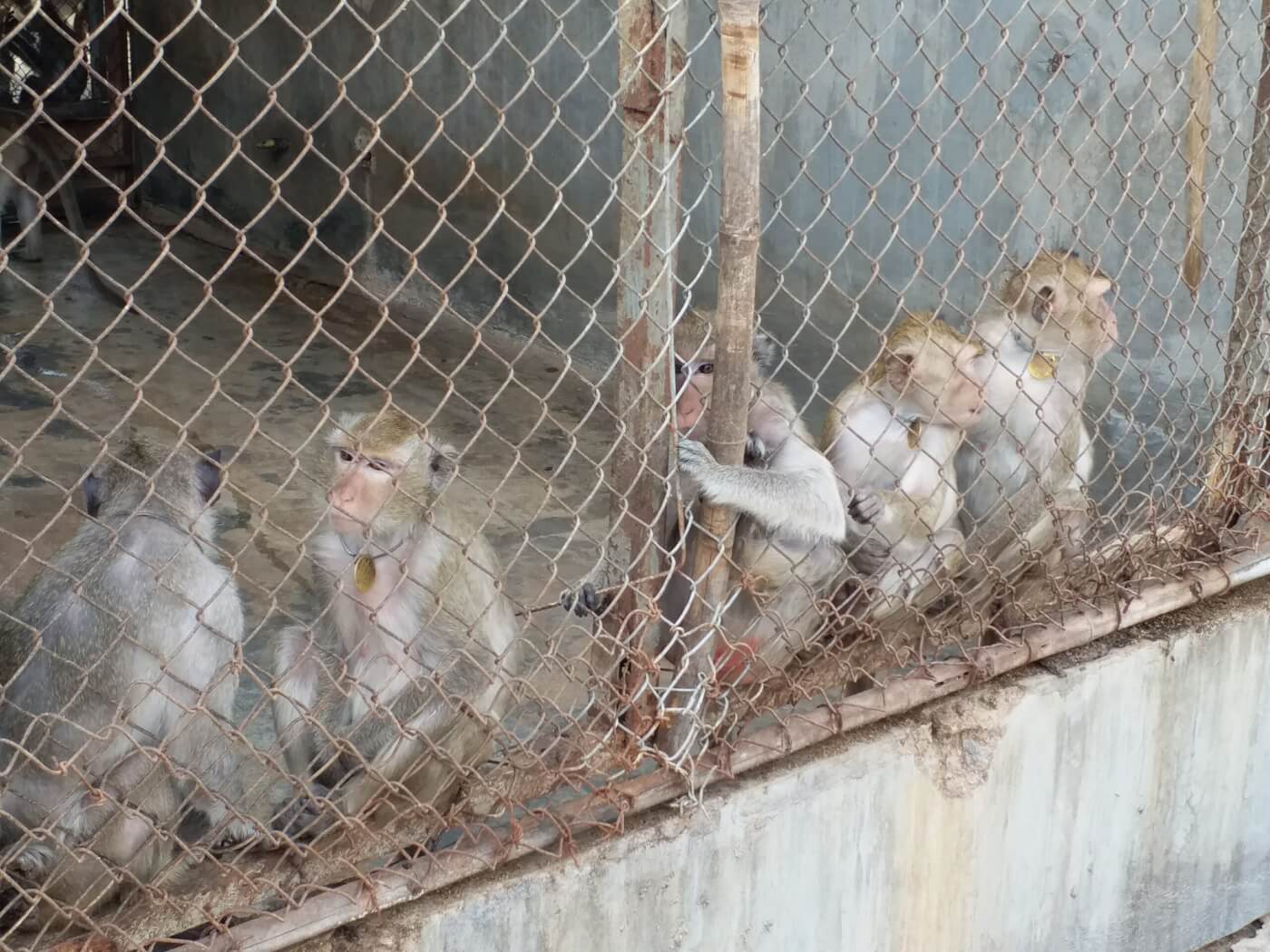
Her statements at the recent CITES meeting amount to a full-throated defense of the global wildlife trade, despite extensive evidence that it fuels animal suffering and poses significant risks to public health.
Anyone representing the U.S. on the world stage should be beyond reproach. That means upholding the public interest, not protecting a single industry or family business.
What You Can Do
If you’re in the U.S., please urge your representatives in Congress to support the PRIMATE Act today!
And everyone, no matter where you live, can urge the U.S. Department of Health and Human Services to shut down the monkey-abduction pipeline.

