‘The Hidden Nations of Animals:’ A New Way to See the World We Share
Close your eyes and picture a city.
Thousands of residents moving through busy streets. Buildings and tunnels built over hundreds of years. A shared culture passed down through generations. Social networks that span the globe.
Now imagine that city existed long before humans came along, and that we’ve been walking past it every day without noticing.
That’s exactly what Ryan Huling documents in his new book, The Hidden Nations of Animals: A Grand Tour of Earth’s Wild Civilizations (Penguin Random House, June 2, 2026). Inspired by famed naturalist Henry Beston’s observation that animals are “not underlings; they are other nations,” the book takes readers on a global journey—one that challenges the idea that only human spaces are “inhabited.” And the evidence Huling presents may change the way you see every animal on Earth—even yourself.
A World Full of Animal Nations
Across forests, oceans, deserts, and underground tunnels, animals are building, organizing, and communicating in ways that may feel strikingly familiar.
Here are just a few of the mind-blowing realities Huling uncovers:
- Animal societies are vast and sophisticated. Argentine ants, for example, form a supercolony stretching over 3,600 miles across Europe—billions of individuals functioning as one cooperative unit.
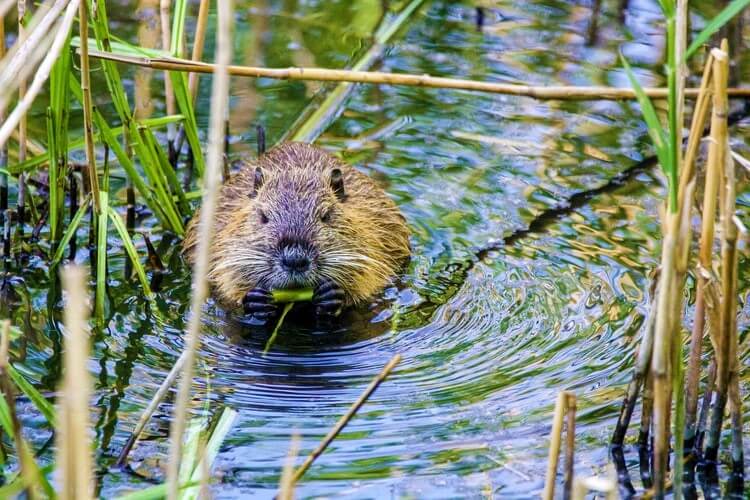
- Other animals are master builders and engineers. Like beavers, who build dams thousands of feet long, some of which have been maintained (or rebuilt in the same spot) for over a century.
- Some animals farm, plan, and problem-solve. Goliath frogs move stones to create safe ponds for their children, while dusky farmerfish cultivate underwater “farms,” carefully weeding and defending their algae crops.
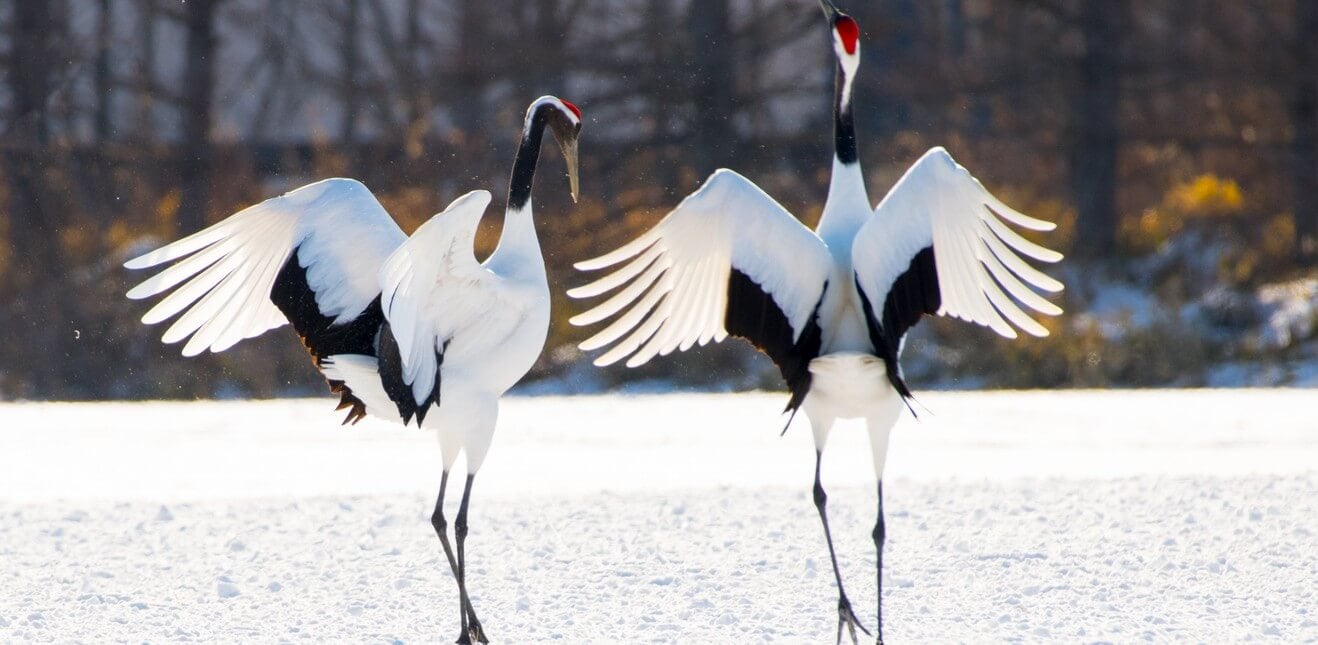
- Animals have culture, language, and even traditions—from sperm whales, who communicate using clan-specific dialects passed across generations, to cranes, who perform elaborate dances to express affection, greet others, and send signals.
- Many animals are more social than we thought. Once believed to be solitary, octopuses have been found living together in communities dubbed “Octopolis” and “Octlantis.”
If You Care About Our Fellow Animals, This Is a Must-Read and a Must-Give
For years, the animal liberation movement has told the world that our fellow animals think and feel. Science has backed that up. Books like AnimalKind, by PETA founder Ingrid Newkirk, have helped bring that perspective into the mainstream, highlighting just how remarkable other animals truly are. Squirrels, for example, have been shown to bury nuts based on the position of the stars. Pigeons can navigate using low-frequency sound waves. Fish “sing” to one another underwater. Again and again, research reveals capacities we once assumed were uniquely human.
The Hidden Nations of Animals sits naturally alongside that work, inviting us to zoom out and see the broader picture: Animals don’t just have inner lives—they have social ones. Historical ones.
They build. They migrate. They teach their children. They form alliances and defend territories. They grieve.
Academy Award–winning actor and animal advocate Joaquin Phoenix put it simply: “Animals do not exist for us, or beneath us, but alongside us.”
Travel Writing for the World We Share
What makes The Hidden Nations of Animals even more powerful is that it’s not a dry scientific analysis. It’s a travelogue.
“In time, trips to the wilderness felt less like leaving civilization behind than entering new ones.”
— Ryan Huling, The Hidden Nations of Animals
And like AnimalKind, it explores how science continues to dismantle the false notion of human superiority. Together, these works point to the same conclusion: The more we learn about other animals, the more impossible it becomes to justify exploiting them.
Rethinking What It Means to Be ‘Civilized’
The Hidden Nations of Animals challenges a misguided yet deeply ingrained belief: that humans are the sole architects of civilization.
Our fellow animals have been shaping the world—and even guiding humans—far longer than we’ve ever realized. Many roads and trails, for example, were originally forged by species that had already mapped the easiest paths through the landscape.
Read Huling’s essay about the book in TIME Magazine.
As one expert cited in the book puts it, humanity is often not the leader, but the follower. And once we recognize animals as individuals with relationships, cultures, and communities that matter, we expand our own world.
We are not alone here.
We never have been.
About the Book
The Hidden Nations of Animals is a global travelogue by Ryan Huling, a veteran animal advocate, former PETA director, and writer whose work has appeared in The New York Times, The Guardian, Nature, WIRED, and TIME. The book is published by Penguin Random House/Avery and illustrated with original maps by Oliver Uberti. It’s available now in hardcover, ebook, and audiobook.
Hear More on The PETA Podcast
Want to go deeper? Ryan Huling sat down with PETA for an exclusive interview on The PETA Podcast, where he discusses his research, travels, and what the animal kingdom’s hidden societies mean for how we treat animals today.
As an Amazon Associate, PETA earns from qualifying purchases. If you buy something after clicking the Amazon links on this page, a percentage of the qualifying purchase will be donated to PETA and help us protect more animals from exploitation.