
European Union Moves Closer to Ending Chemical Tests on Animals
The European Commission has published its “roadmap towards phasing out animal testing for chemical safety assessments,” signaling a clear shift towards a future in which the assessment of chemicals relies on reliable and relevant non-animal approaches.
The news comes after PETA U.K. played a role in advancing the European Citizens’ Initiative (ECI) “Save Cruelty Free Cosmetics—Commit to a Europe Without Animal Testing,” which brought together nonprofits, policymakers, scientists, and major global brands, including Dove and The Body Shop.
Now, that collective effort is paying off.
PETA U.K. scientists have been closely involved in shaping the roadmap from the start—for example, by participating in expert working groups and helping to organize and present at the workshops that informed the roadmap. The roadmap reflects what PETA scientists and other experts have long said: Non-animal methods can quickly, reliably, and accurately predict the effects of chemical exposure on humans.
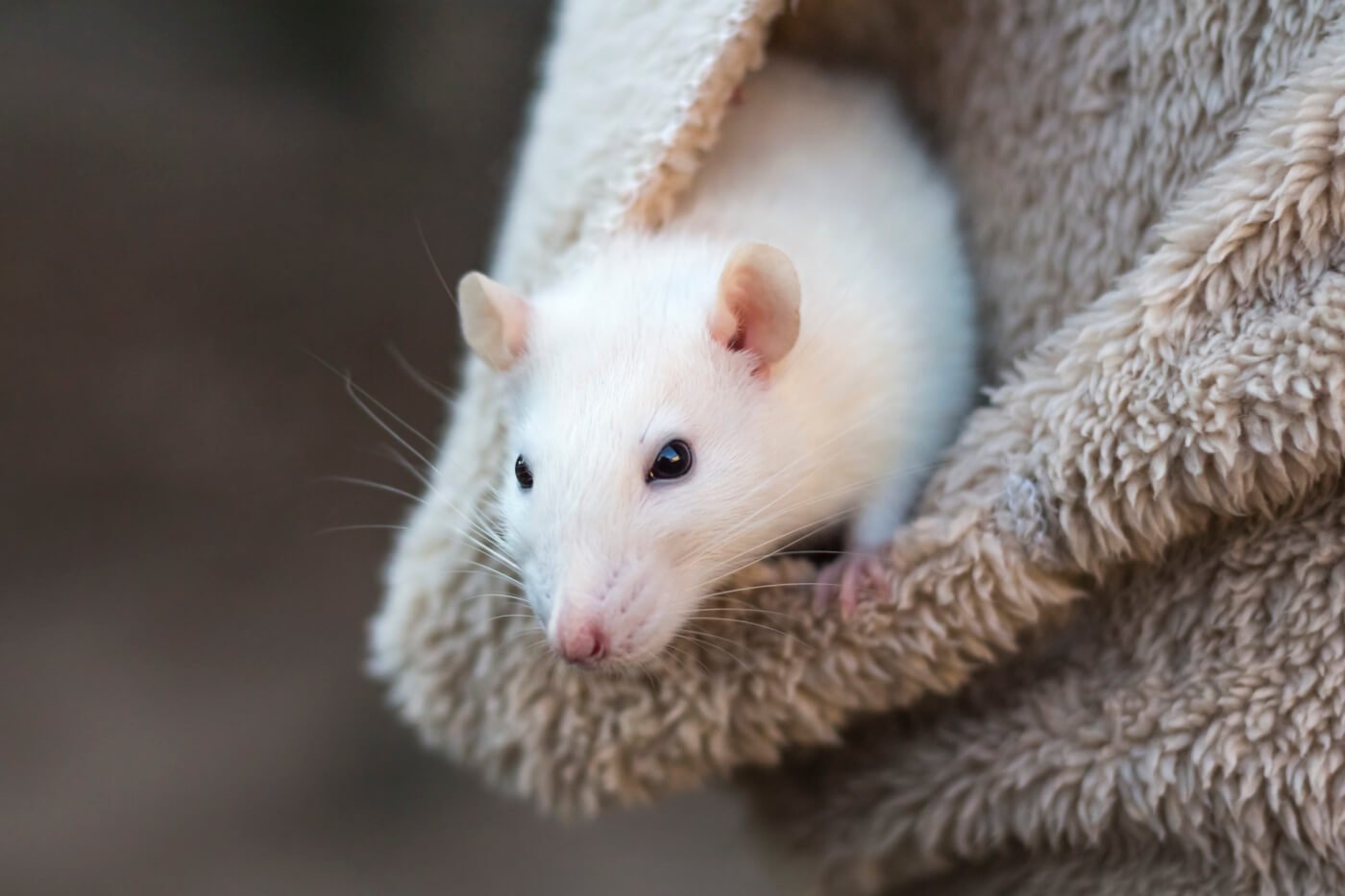
The roadmap provides a clear goal. For the first time, the European Commission has committed to replacing animal testing for chemical safety across the European Union with state-of-the-art, reliable, and relevant non-animal science. This will spare fish from being poisoned in lethal toxicity tests, pregnant rabbits from being force-fed chemicals through tubes, and rats from being forced to inhale chemicals. The European Commission has outlined timelines for replacing tests on animals, with some specific tests flagged for replacement in the coming years. The European Union also plans to fund innovation and create greater transparency that makes progress visible and holds the Commission and the regulatory agencies accountable.
Unfortunately, the roadmap does not cover all uses of animals in chemical testing, such as some testing for human and veterinary medicines, including vaccines and gene therapies. Further, it’s not clear who will fund the next steps, and insufficient funding could slow progress. There’s also no firm timeline for legal change, meaning outdated tests on animals will continue by default. Even under this roadmap, tests on animals are allowed to continue wherever regulators say non-animal methods aren’t yet “acceptable.”

Therefore, the publication of the roadmap is only the beginning. Now, all responsible European government bodies, such as the European Chemicals Agency (which oversees chemicals, similar to the United States Environmental Protection Agency), must act swiftly and decisively. PETA scientists stand ready to help, bringing scientific expertise, technical solutions, and a commitment to delivering real change for animals.
Tell Leaders to Support Animal-Free Science!
The European Union committed to a leap forward for animals. But here in the States, the U.S. Food and Drug Administration (FDA) has dug in its heels on requiring outdated tests on animals for everyday products such as sunscreens, toothpastes, and menstrual products—even when state-of-the-art, animal-free test methods are available.
Tell the FDA to embrace animal-free science!
Are you a U.S. resident? Great! We need all lawmakers to understand how much money our government agencies waste by relying on failed tests on animals. Please sign our petition to your members of Congress, urging them to support human-relevant, non-animal testing today.