
Tips and Tricks to Avoid Wasting Food
Did you know humans throw away 1.3 billion tons of food each year? Food waste is a global crisis, but it also impacts daily life. It means throwing money away with rotting food, excess trash, and a massive environmental footprint. The good news? A few simple changes can help you avoid food waste at home, save money, and help stop the climate catastrophe.
6 Practical, Planet-Friendly Tips to Avoid Food Waste at Home
1. Make Your Own Vegan Milk, and Reuse the Strained Nuts
In case you didn’t know, blending nuts or oats with water and then straining that mixture makes excellent vegan milk. Making your own almond, cashew, or oat milk is delicious and saves package waste, but leaves you with leftover pulp. Instead of tossing it, add it to smoothies for extra fiber, bake it into muffins, fold it into oatmeal, or season and toast it into a crunchy topping for salads. This way, reducing food waste cuts down on trash and adds extra nutrition and texture to your meals.
2. Use the Liquid From Chickpea Cans
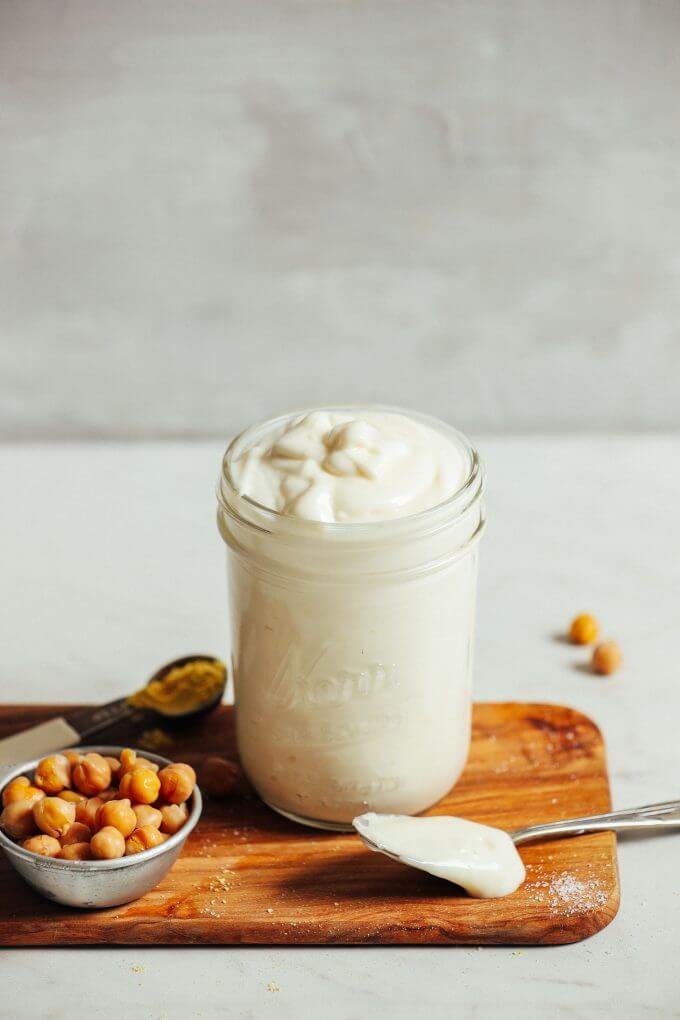
Aquafaba—the liquid inside a can of chickpeas—is a vegan cooking secret weapon. Whip it up with sugar for fluffy meringues, use it as a binder for veggie burgers, cookies, and cakes, or top a cocktail calling for chicken egg whites with aquafaba foam instead.
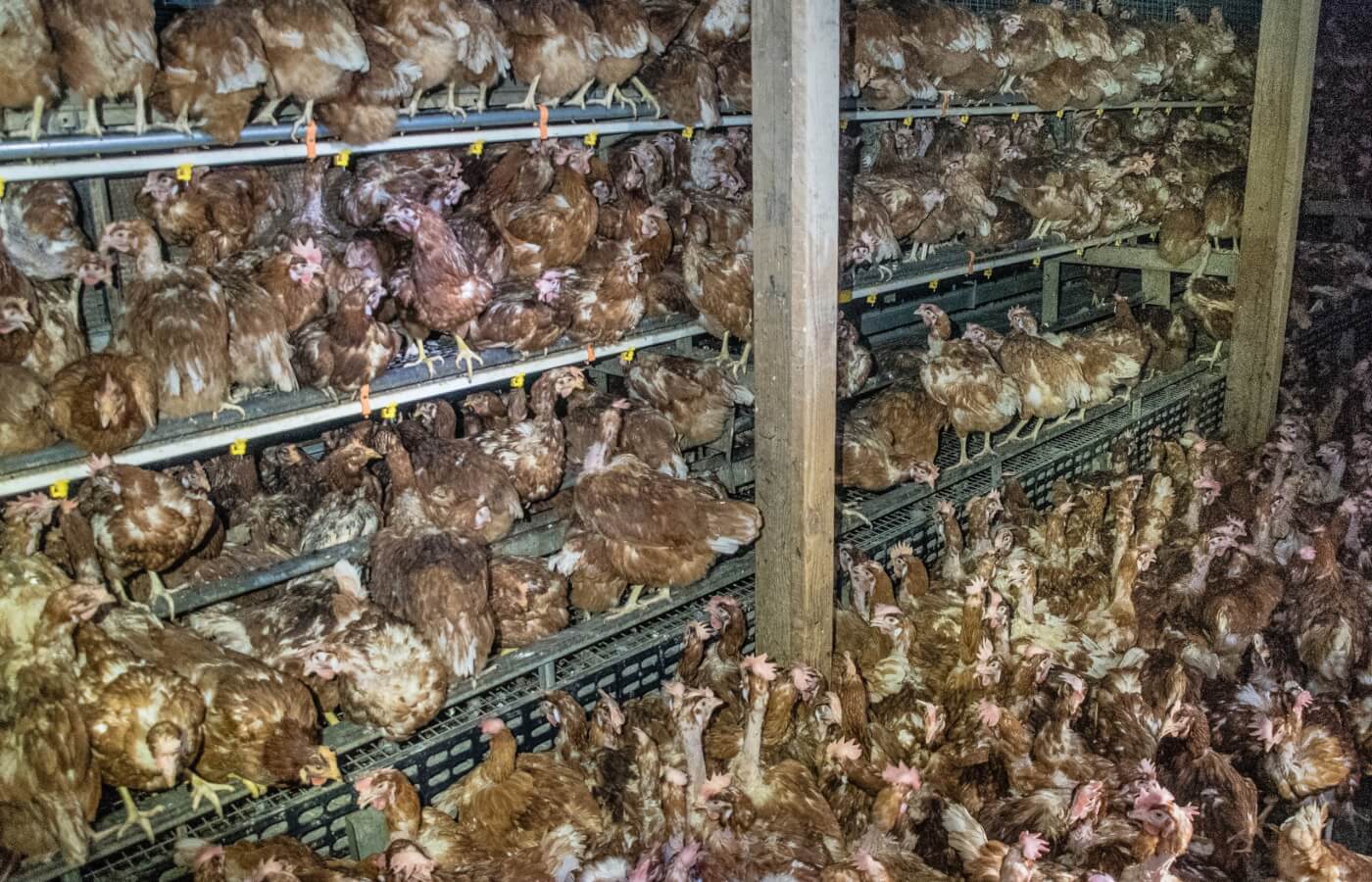
More than 300 million chickens are exploited on industrial egg factories each year, laying approximately 95 percent of the eggs sold in America. Instead of foraging in grass or snuggling with their flock-mates, chickens exploited for eggs—even those with deceptive labels like “free-range” or “humane”—are crammed together in filthy sheds. Using aquafaba instead of eggs is a less wasteful, kinder, and delicious way to reduce waste and animal suffering.
3. Regrow Romaine Lettuce and Other Greens
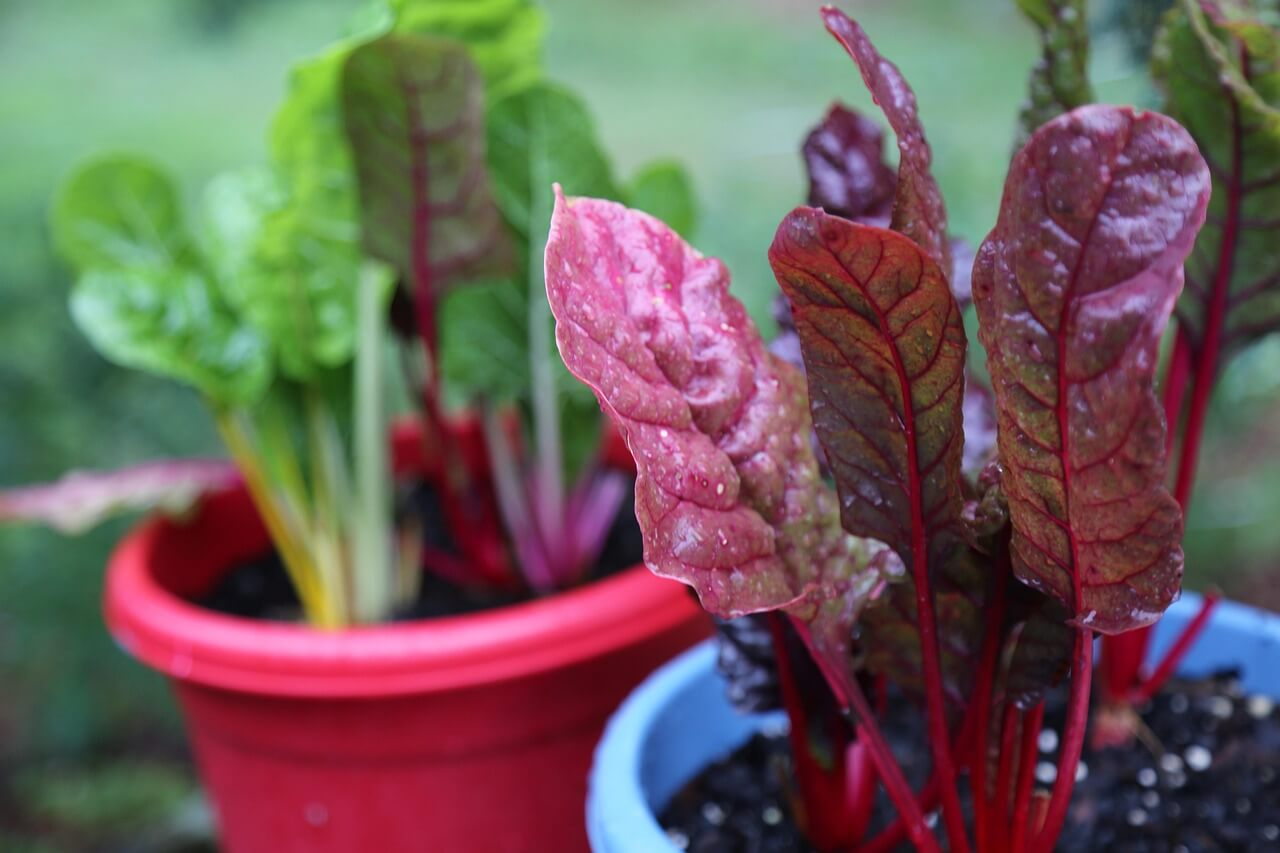
Did you know you can regrow romaine lettuce from kitchen scraps? Just place the base of a romaine head in a shallow dish of water or soil on a sunny windowsill, and new leaves will sprout in just a few days. This trick works with other veggies, too, like chard, green onions, and celery. It’s a fun, simple way to save money, extend the life of your groceries, and avoid food waste at home.
4. Plan Meals With Overlapping Ingredients
Planning helps ensure nothing goes to waste. If you try Pamela Anderson’s Green Goddess Salad one day, opt for a protein-packed Buddha Bowl the next, and use chickpeas and greens in both meals. This way, you’re cooking meals that share common perishable ingredients—like fresh herbs, beans, and vegetables—so you don’t end up with part of a can or half-used greens wilting in the fridge. Batch-cooking and freezing leftovers also help extend shelf life and make weeknight dinners easier.
5. Donate Excess Food to Community Pantries and Fridges
If you have too much food nearing expiration in your fridge or pantry, donate it instead of letting it expire and tossing it. This way, you can help fill community fridges, food banks, and pantries with nutritionally dense, vegan foods and help provide vital support to neighbors in need.
6. Go Vegan
Going vegan is one of the most effective ways to avoid food waste. Animal agriculture is one of the most wasteful industries on the planet, most of which takes place in the food production and distribution side before it even reaches anyone’s plate. The animal agriculture industry funnels grains and vegetables that could feed humans into raising more than 10 billion cows, chickens, pigs, and other land animals, who are killed for food each year. Every animal is someone. Cows have long-term friendships, and mother hens chirp to their chicks before they’ve hatched. These sensitive, social animals do not want to be exploited and slaughtered for their flesh, milk, or eggs.
Even though animal flesh and dairy provide just 18% of calories and 37% of protein for humans, producing them uses 83% of farmland and is responsible for 60% of agriculture-related greenhouse gas emissions.
Ending the use of animals’ flesh and milk could reduce global farmland use by a remarkable 75%—and there would be plenty of more efficiently produced food for the world’s inhabitants. By choosing vegan meals, you help use crops less wastefully and reduce the staggering environmental impact of animal agriculture.
Food Waste Can End With Your Plate
These easy, small steps help cut food waste, save money, and make kitchens more sustainable. And when you pair them with compassionate, vegan choices, you’ll have an even bigger, positive impact for animals, the environment, and your wallet.

Text VEG to 73822 to get the latest vegan lifestyle tips, recipes, and urgent action alerts texted right to your phone.
Terms for automated texts/calls from PETA: https://peta.vg/txt. Text STOP to end, HELP for more info. Msg/data rates may apply. U.S. only.



It’s family night out, and you’ve landed at BJ’s Restaurant & Brewhouse. If you’re a vegan and you’re wondering, “Is there anything here I can actually eat?”, you’ve come to the right place.

Make room for plenty of favorites like Beyond Meat, Planet Oat, and Violife, along with all your pantry staples.

It’s easy to find a cartload of vegan products at WinCo. One PETA staffer reveals all the vegan goodies he found on a recent shopping trip to WinCo.

Stock up on vegan staples at Costco with this easy guide.