
Are Ant Farms Cruel and What Do Children Really Learn From Them?
Are ant farms cruel? Let’s take a closer look at who ants are and what happens when people keep them in captivity.
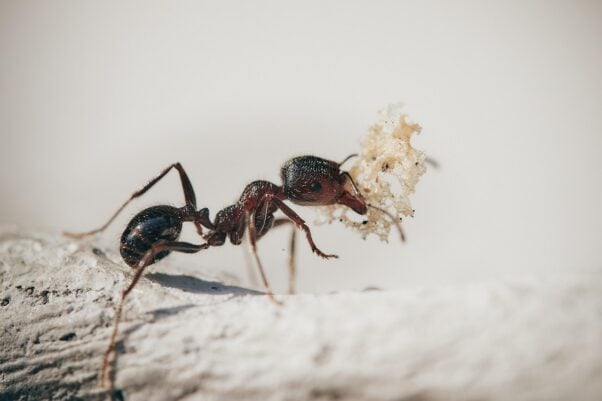
Ants Are Remarkably Complex
Ants may be tiny, but they are some of the most complex individuals on Earth. These little powerhouses live in highly organized societies and communicate with invisible chemical trails. Some species can build living bridges or floating rafts out of their bodies, while others farm fungi in underground gardens. They don’t have ears or lungs like humans do, but instead sense vibrations through their legs and breathe through tiny tubes along their bodies. And here’s the kicker—there are an estimated 20 quadrillion ants in the world, outweighing most of the planet’s wildlife combined!
Every ant colony member has a role, from the workers who forage to the queen who lays eggs to create the next generation. Commercial ant farms often ship only worker ants—without a queen—meaning the colony may collapse within weeks. Selling short-lived “disposable” colonies treats living beings as if they were toys to be used up and tossed aside.
Shipping and Housing Woes
In nature, ants may live in nests three feet deep and six feet wide, an area nearly impossible to recreate in captivity. Suppliers take ants from their homes, seal them in test tubes or containers, and mail them across long distances. Many die before they arrive. Those that manage to survive end up trapped in clear plastic enclosures that fail to meet their biological needs. Smugglers move ants illegally across state or national borders. This is cruel to the ants and increases the risk that nonnative species will escape or be released, resulting in devastating ecological consequences.
Ant Farm Suppliers Exploit Queens, Too
While many suppliers sell queenless colonies, others sell queens—the reproductive heart of the colony. Removing queens from nature disrupts ecosystems and can cause lasting damage to local populations. Plus, if a nonnative queen gets loose, she can establish a colony that outcompetes native ants.
A Cycle of Death Teaches Children the Wrong Lessons
Ants kept in ant farms often struggle and perish because keepers cannot meet their basic needs, turning a living community into a slow lesson in neglect. This teaches children to see confinement and suffering as acceptable and that animals are disposable rather than deserving of care.
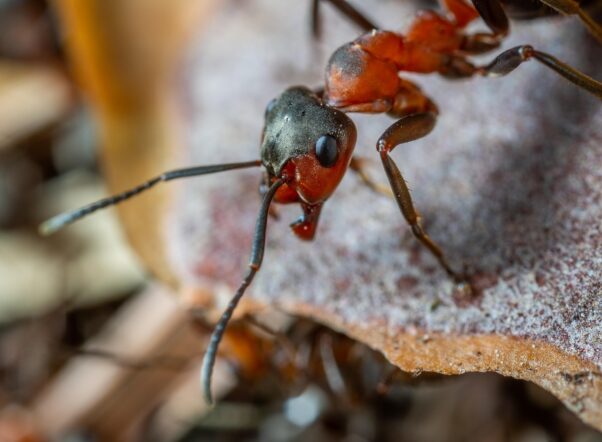
Ways to Explore Nature Without Causing Harm to Ants
Curiosity about ants is a good thing—it shows an interest in science and the natural world. But there are ways to nurture that interest that don’t harm anyone.
- Watch ants and other insects in nature. You’ll be amazed at all the interesting things they do right in your own backyard!
- Be part of a citizen science project. Join initiatives like ant-mapping efforts, where everyday people collect data that helps scientists.
- Explore online resources. Videos, interactive learning modules, and educational apps offer a close-up look at ant life without harming them.
Keeping ants in plastic enclosures reduces living beings to short-lived curiosities. Instead of learning about the richness of their lives, ant farm owners watch them struggle in a space that can never meet their needs.
There are lots of things we can do to help ants and other insects. Plant flowers, shrubs, and native plants to provide food and shelter, and never use pesticides. Let wildflowers grow with abandon as food for precious pollinators. Leave the leaves in the fall and don’t mow your lawn until the end of May to give insects a cozy winter nesting zone. Even simple actions, like turning off lights at night or gently moving insects out of harm’s way, make a big difference.
Text VEG to 73822 to get the latest vegan lifestyle tips, recipes, and urgent action alerts texted right to your phone.
Terms for automated texts/calls from PETA: https://peta.vg/txt. Text STOP to end, HELP for more info. Msg/data rates may apply. U.S. only.


Protect companion animals and wildlife from cold weather and winter storms by following these survival tips.

Make your Vegan Halloween Party “scary,” not scary. Tips and ideas for a fun animal-safe Halloween party!

New vegan interiors from Mercedes, Ford, BMW, Chevrolet, and others take the cruelty out of driving!
Did you know we throw away 1.3 billion tons of food annually? Learn six fun, simple ways to save money, extend the life of your groceries, and avoid food waste at home.

