
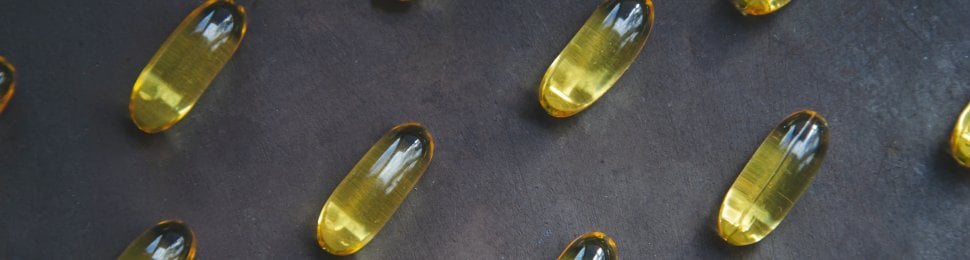
Deception Through the Amber Lens of a Fish-Oil Capsule
Wondering what experts consider to be the correct dose of fish oil? Ann Marie Navar, M.D., Ph.D., and an associate professor of cardiology, is skeptical. “Zero milligrams. I advise my patients to save their money,” she said.

You’ve likely seen fish-oil supplements sold in stores, pictured in magazines, and advertised on TV. They’ve been promoted for heart health—among many other perceived benefits.
These claims are one reason why fish oil is the country’s third most popular dietary supplement. Americans spend more than $1 billion annually on these greasy over-the-counter capsules.
But producing fish oil involves killing millions of ocean animals every year—individuals who have every right to live freely. In addition, “nontarget” individuals such as dolphins, whales, and sea turtles die slow, painful deaths when they become hooked or entangled in fishing gear.
And there’s another problem: Most of the health claims touted by fish-oil companies simply aren’t true.
Recent studies suggest we should look elsewhere—namely, healthy vegan foods—for ways to enhance our health. Omega-3 fatty acids that come from fish oil supplements may not be as beneficial as once believed, and killing fish is devastating to our fellow animals, the ocean, and the planet we share.
A study published in The New England Journal of Medicine found that taking fish-oil supplements did not decrease the risk of major cardiovascular events such as heart attacks, strokes, or death from heart disease. In fact, the study found no significant difference between those who took these supplements and those who took a placebo.
So Why Do Some People Still Swear by Fish-Oil Supplements?
Fish get omega-3 fatty acids from seaweed/algae. Omega-3s are necessary for maintaining overall cardiovascular health for the following reasons:
- They reduce triglycerides, a type of fat in the blood.
- They increase good cholesterol.
- They reduce the risk of developing an irregular heart rhythm.
- They slow the buildup of plaque, which hardens and blocks arteries.
- They help to lower blood pressure.
Omega-3s may also have positive effects on brain health and cognitive function.
Because our bodies don’t naturally create them, omega-3s must come from other sources. Fish-oil supplements don’t have the same health benefits as vegan foods, which are rich in omega-3s. So why eat dead fish parts when you can get omega-3s directly from plants?
If Fish Oil Can’t Help, at Least It Can’t Hurt, Right? Wrong!
There’s a limit to how many omega-3s the body can absorb at once, and excess amounts could even be harmful.
Some evidence shows that taking fish oil supplements may increase the risk of cardiovascular problems. A study published in The Journal of the American Medical Association found that those taking high doses of fish oil had a slightly higher risk of developing atrial fibrillation, a type of irregular heart rhythm that can increase the risk of blood clots, strokes, heart failure, and other heart-related complications.
And the risks don’t stop at heart health. A new study from the Medical University of South Carolina raises additional concerns. Researchers found that fish-oil supplements, which are often promoted as protective for the brain, may actually interfere with healing after mild traumatic brain injuries. The study identified one of the main omega-3 fatty acids in fish oil, EPA, as a possible culprit, linking it to impaired repair processes in the brain after injury.
How to Safely Get the Omega-3s That Your Body Needs
Always talk to your doctor about which supplements (if any) may benefit your health.
Vegan foods, including seeds, walnuts, and dark-green leafy vegetables, are rich in omega-3s, and getting these essential nutrients from whole-food sources is the way to go. Try the following:
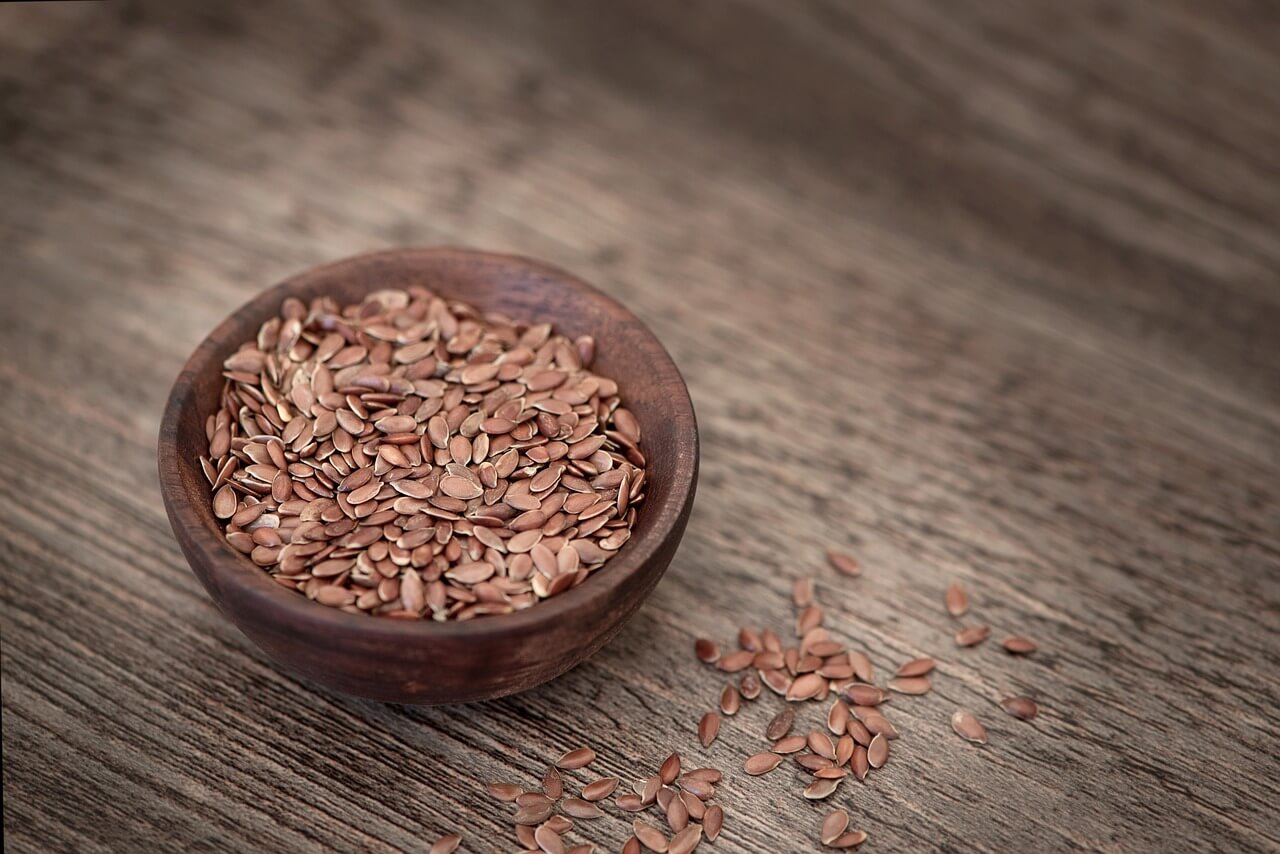
- Sprinkle flaxseed on your oatmeal, smoothies, or salads.
- Make chia seed pudding.
- Add walnuts to baked goods.
- Nibble on nori (dried seaweed), which is available in stores.
- Enjoy an ice-cold glass of hemp milk.

Compelling evidence sinking the myth that fish oil improves health is one more reason to leave fish—who are smart and social animals—in the water, where they belong.
Order a free vegan starter guide to learn more about how you can help spare nearly 200 animals per year:

Text VEG to 73822 to get the latest vegan lifestyle tips, recipes, and urgent action alerts texted right to your phone.
Terms for automated texts/calls from PETA: https://peta.vg/txt. Text STOP to end, HELP for more info. Msg/data rates may apply. U.S. only.



Planning a Friendsgiving? Here’s your guide to easy menu ideas, allergy-friendly swaps, meaningful traditions, and simple ways to share vegan joy with your chosen family.

PETA is celebrating the spots making Oktoberfest more compassionate with delicious vegan sausage options that spare pigs and satisfy your taste buds.

Just Foods’ latest Just Egg upgrade is fluffier, creamier, and more versatile than ever. Put it to the test with these delicious recipes.

The company once known for vegan burgers is betting that the future is protein, protein, and more protein.

