

What To Do If Your Dog Is Stung by a Bee: A Simple Guide
It happens fast. One moment your dog is exploring, and the next—there’s a yelp, a swollen nose, and a moment of panic.
The good news is that most bee stings are minor. They hurt, they swell, and then they pass. But every now and then, a sting can turn into something more serious. Because bee stings can become a medical emergency, it’s important to know what to do if your dog is stung by a bee.
Signs Your Dog Has Been Stung by a Bee
Sometimes you see it happen. Other times, you notice your dog suddenly acting… off.
A typical (non-emergency) bee sting is uncomfortable, but usually not dangerous. Signs might include:
- Sudden yelping or whining
- Pawing at the area
- Swelling
- Redness or warmth at the site
- Limping if the sting is on a paw
A slightly stronger reaction can still be okay to monitor at home, but you’ll want to keep a closer eye on it. Signs might include:
- Swelling that continues to spread
- Low energy
- Loss of appetite
Dogs might snap at insects mid-air and get stung inside their mouth. Swelling there can affect breathing, so if this happens, call your veterinarian right away. Watch for:
- Excessive drooling
- Trouble swallowing
- Labored breathing
- Pawing at the face
Can Dogs Be Allergic to Bee Stings?
Just like humans, some dogs are allergic to bee stings. The risk is higher in dogs who’ve been stung before, as their immune system can become more reactive over time. Multiple stings in a single incident can also lead to stronger reactions.

When an allergic reaction happens, it can escalate quickly. Seek veterinary care immediately if you notice:
- Swelling around the face or neck
- Difficulty breathing or wheezing
- Vomiting or diarrhea
- Hives
- Pale gums
- Disorientation or weakness
What To Do Right After a Bee Stings Your Dog
This is the part where staying calm really helps—both for you and your dog.
Look for the stinger. If the animal is a bee (not a wasp), there may be a tiny stinger left behind. Remove it as quickly as you can—speed matters more than technique here. You can scrape it out with something flat (like a credit card) or gently pull it out if that’s easier. While you may hear that tweezers can push more venom into the skin, research suggests that’s less of a concern than once thought. The most important thing is to get the stinger out promptly.
Soothe the area. A simple paste of baking soda and water can help take the edge off irritation.
Reduce swelling. A wrapped ice pack held gently against the area can make a big difference. Avoid placing ice directly on the skin.
Check in with your veterinarian. Ask whether an antihistamine might be appropriate. Never give your dog any medication without veterinary guidance.
Keep your dog from bothering the area. This may be easier said than done, but scratching or chewing can make swelling worse, so do your best.
Monitor closely. Keep an eye on your dog for 24 hours after the sting. Most reactions appear within 30–60 minutes, but not all. Even if everything seems mild at first, things can change.
Should You Go to the Vet After a Bee Stings Your Dog?
It’s always a good idea to check in with your veterinarian, especially if the sting is near your dog’s eyes, nose, mouth, ears, or other sensitive parts, or if they were stung more than once.

And if you’re looking at your dog and thinking, something just isn’t right, trust that instinct. You know your dog best, and you’re never wrong for reaching out to be sure they’re okay.
How to Lower the Risk of Bee Stings in Dogs
A few simple habits can make a big difference—like keeping your dog close in areas with lots of flowers, steering clear of known hive spots, and always using a leash on walks or hikes, so they don’t wander into trouble. If you can, aim for early morning or evening outings, when bees tend to be less active. A little awareness goes a long way.
Living in Harmony with Insects
Bees are gentle, hardworking pollinators, just going about their day—visiting flowers, carrying pollen, and helping entire ecosystems thrive. They’re not looking for trouble, and they don’t usually sting unless they feel threatened. Giving them a little space helps keep everyone safe.
If a bee (or any insect or spider) ends up in your home, they’re not there to bother you; they’ve just wandered into the wrong place. Instead of reacting out of fear, you can gently guide them back outside.


Text VEG to 73822 to get the latest vegan lifestyle tips, recipes, and urgent action alerts texted right to your phone.
Terms for automated texts/calls from PETA: https://peta.vg/txt. Text STOP to end, HELP for more info. Msg/data rates may apply. U.S. only.


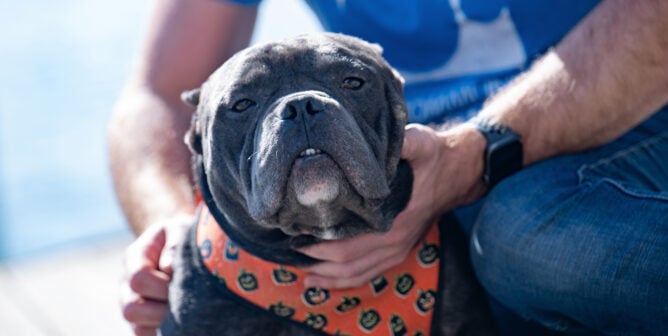
From going viral for an infestation of fleas to “Indoor dog life? Yes, please!”—Dior is ready to be internet-famous for a new reason: The rescued bulldog is now adoptable through PETA!

A young dog’s death exposed disturbing abuse at a grooming facility. Here’s how to help protect your companion.

Is Best Friends Animal Society trustworthy? Learn how the policies it recommends harm animals and endanger communities.

The iconic actor reveals how animals taught her lessons about trust, authenticity, and unconditional love in this rare, personal PETA interview.