

What to Do If Your Dog Is Bitten by a Snake (and How to Stay Calm)
One moment, your dog is sniffing along the trail. Next, they whimper, jump back, or start to swell. A walk can turn into an emergency in seconds, and in that moment, knowing what to do if your dog is bitten by a snake can mean the difference between life and death.
Snakebites are serious, but with quick action, many dogs recover.
Here’s what to know.
Why Do Snakes Bite Dogs?
Snakes don’t chase or attack without reason. Most bites happen when a dog gets too close, and a snake defends themselves.
Dogs, driven by curiosity, often miss those warning signs. A rustle in the grass or a quick movement can draw them straight into a snake’s defensive strike.
Snakebite Symptoms and What to Look For
Sometimes you witness the bite. Other times, you only notice the aftermath.
You may observe sudden swelling, hear a yelp, or realize your dog is becoming lethargic, unsteady, or distressed. Bite marks can be hard to see, and symptoms don’t always appear right away. That’s what makes snakebites so dangerous—what looks minor at first can escalate quickly.
With nonvenomous bites, the damage usually stays localized. You may see small tooth marks, along with some swelling and pain, but these injuries typically don’t progress.
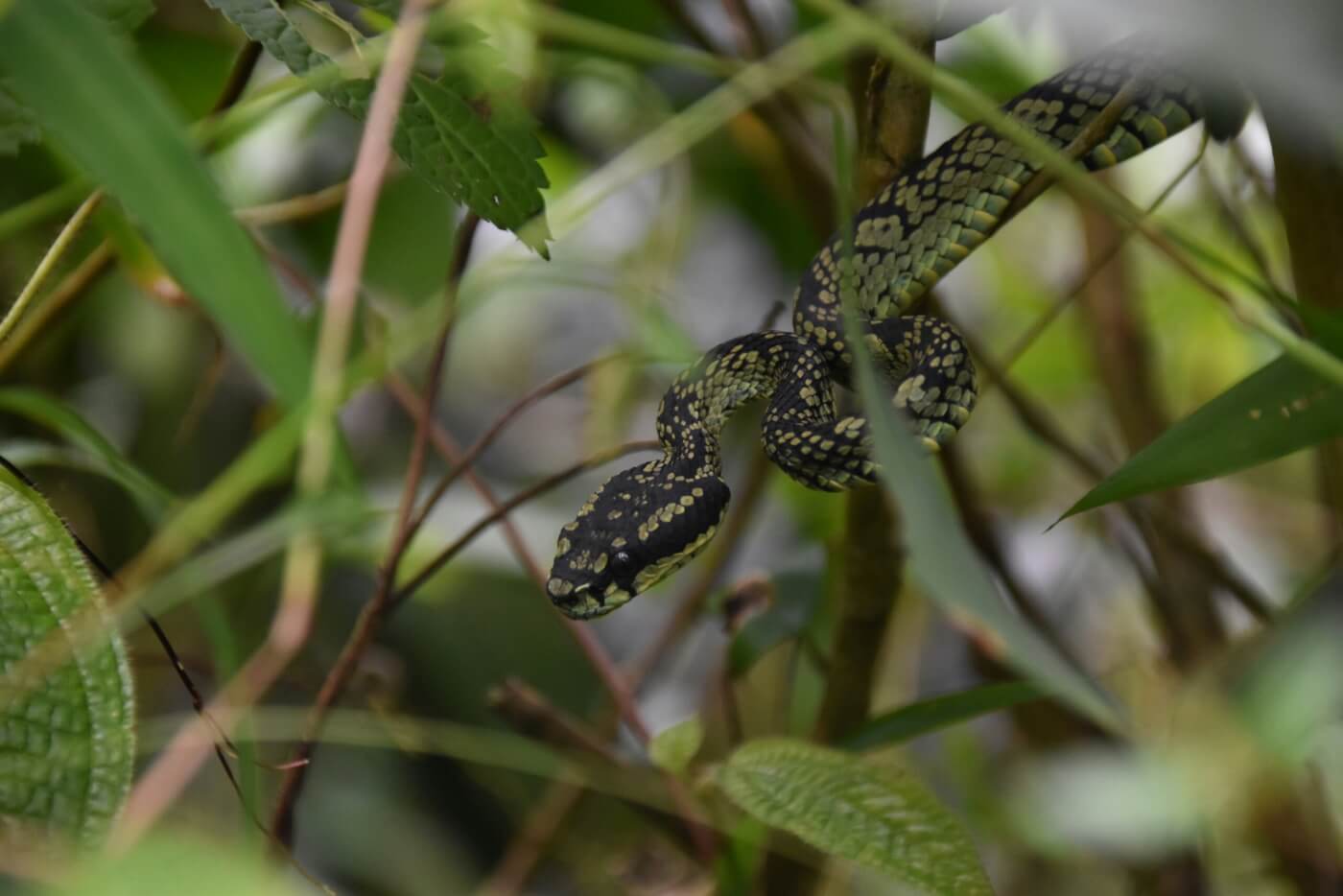
Pit viper bites, like those from rattlesnakes, are very different. Pain and swelling can spread quickly from the bite site. The skin may darken or bruise within minutes, and fluid or blood can seep from the wound. In more severe cases, the tissue begins to break down. Swelling and fur can make the bite marks hard to find.
Elapid bites, such as coral snake bites, can be more deceptive. The bite may look mild at first, with little swelling or pain. But these bites affect the nervous system. As time passes, you may notice weakness, drooling, trouble walking, or difficulty breathing. Without treatment, these signs can become life-threatening.
How to Treat a Snakebite
- If you suspect a snake has bitten your dog, treat it as an emergency and head to the veterinarian immediately.
- Keep your dog calm and as still as possible, as movement can spread venom more quickly through the body. Avoid touching the bite area, and don’t attempt home remedies.
- Don’t try to find or harm the snake. They’re likely already trying to escape, and chasing them can increase the risk of another defensive strike.
What to Expect at the Veterinarian’s Office
Your veterinary team will stabilize your dog and manage pain, swelling, and any systemic effects. If the bite is venomous, they may administer antivenom.
Outcomes vary. Smaller dogs face a higher risk because the same amount of venom affects their bodies more intensely. Bites to the chest or abdomen tend to be more serious than those to the face or limbs. With prompt care, many dogs do recover.
How To Protect Your Dog From a Snakebite
The best way to protect your dog is to make your yard less inviting to snakes. Keep brush and overgrown areas trimmed back, and remove things like unsecured trash or outdoor food that attract rodents. Mow the lawn regularly—snakes often hide in tall grass, where they’re much harder to see.
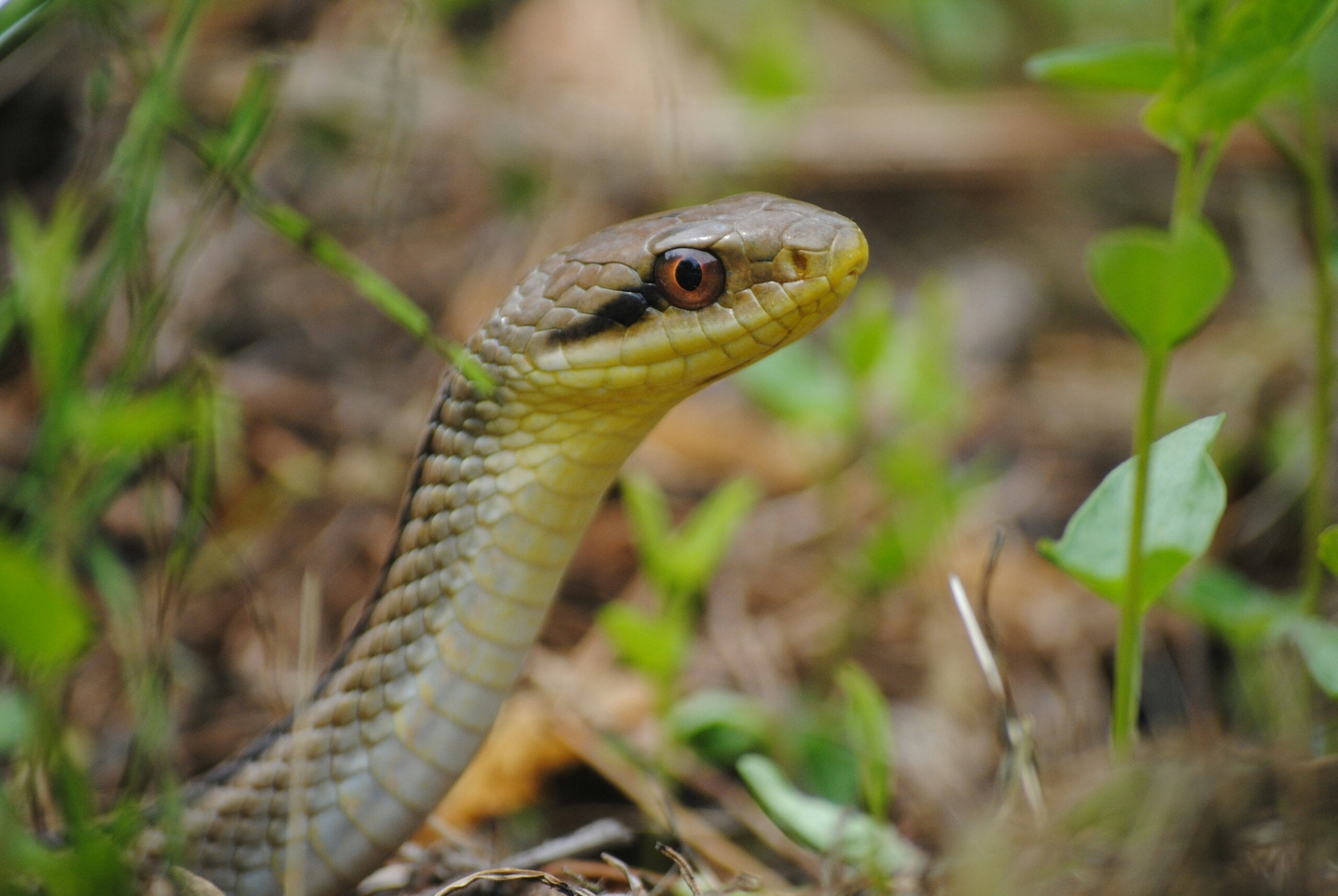
It’s also important to watch for signs of snake activity around you. Other animals often notice snakes before we do. Signs of snakes in your yard or along a trail may include:
- Unusual or noisy bird activity
- Dogs barking or sniffing, digging, or pawing at a specific area
A Final Thought
Encounters with snakes can be frightening, but they’re also a reminder that the outdoors is home to our fellow animals. Snakes don’t seek out conflict. When they bite, it’s almost always a last resort.
Supervising our dogs—especially in areas where snakes live—is one of the easiest ways to prevent crossing paths. Keeping them close, staying aware of your surroundings, and respecting wildlife helps protect your dog and gives snakes the space they need to simply move on.
Text VEG to 73822 to get the latest vegan lifestyle tips, recipes, and urgent action alerts texted right to your phone.
Terms for automated texts/calls from PETA: https://peta.vg/txt. Text STOP to end, HELP for more info. Msg/data rates may apply. U.S. only.



The iconic actor reveals how animals taught her lessons about trust, authenticity, and unconditional love in this rare, personal PETA interview.
If you can see her, you can “bee” her … adopter! Well, sort of. In truth, PETA has been swarmed with inquiries about this marvelous mutt. Buzz on over to [email protected] to submit your application.
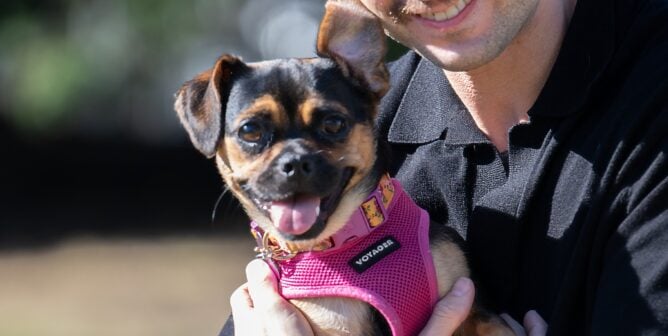
A puggle tethered outdoors? Talk about the worst kind of “oopsie.” Thanks to PETA, this adoptable dog traded being ridiculously kept outside for becoming ridiculously companionable.

PETA supporters brought the faces of dogs who suffered and died on Skid Row straight to LAPD headquarters, demanding enforcement of laws meant to protect animals.

