Reviews and Government Reports Expose How Dolphins Suffer and Die at Theme Parks and Shoddy Aquariums
Public records, government reports, and visitor reviews have exposed how dolphins suffer at theme parks, resorts, and unaccredited aquariums across the country. At a glance:
- Dolphins at theme parks and roadside aquariums are often confined to tiny tanks and makeshift lagoons, shuffled between facilities like inventory, bred for profit, and have even been separated from family members.
- Dolphins have died from preventable causes at facilities like Discovery Cove in Orlando, Florida; Clearwater Marine Aquarium in Clearwater, Florida; and the Institute for Marine Mammal Studies in Gulfport, Mississippi.
- Government records have revealed alarming details at Six Flags Discovery Kingdom in Vallejo, California; the Mississippi Aquarium in Gulfport, Mississippi; Dolphin Life in Key Largo, Florida; and other places.
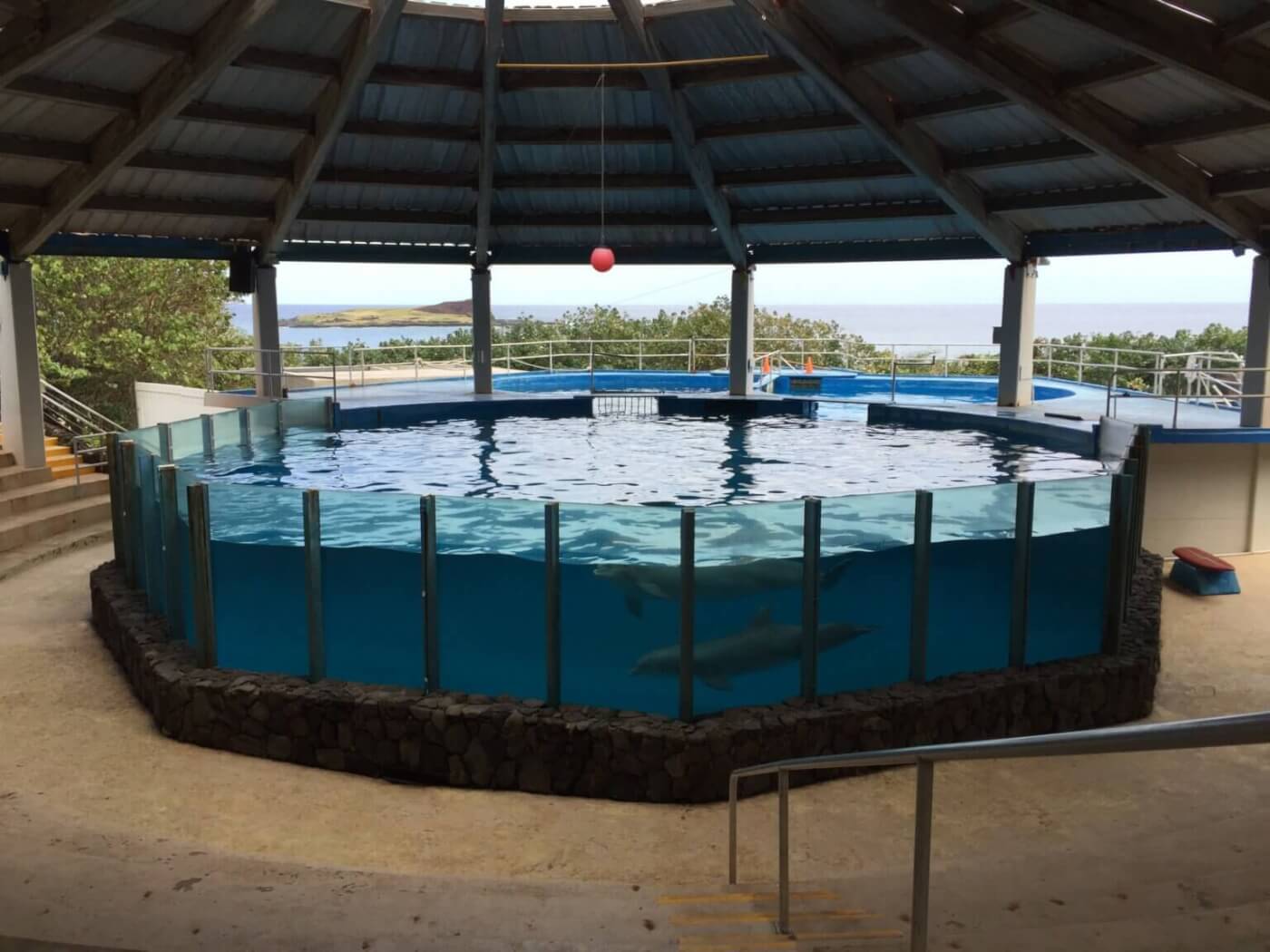
Clearwater Marine Aquarium: Dolphins in ‘Cement Cubicles’
One visitor described Clearwater Marine Aquarium bluntly: “It was just cement cubicles with the animals floating around.”
Rescued as a young dolphin in Florida, Halona was then transferred repeatedly—from SeaWorld Orlando to two other facilities, back to SeaWorld, and finally to Clearwater Marine Aquarium. Just three years after arriving there, she reportedly died following a severe infection that led to drowning.
Discovery Cove’s History of Dolphin Deaths
Discovery Cove is owned and operated by United Parks & Resorts, which also owns SeaWorld. One Discovery Cove visitor wrote that they were “shocked at the small space” in which dolphins are kept and called the conditions “completely unacceptable.”
The facility’s history is filled with tragic stories.
Dixie, captured in Florida in 1975, was a repeat victim of Discovery Cove’s breeding program, which includes forced manual insemination. The company moved her between facilities seven times. In 2009, while pregnant, she endured a traumatic stillbirth. Staff reportedly knew her due date was approaching, but failed to have a veterinarian oversee the delivery. She was eventually euthanized in 2022 after developing cancer.
Scarlet, born at SeaWorld San Diego, was transferred multiple times before arriving at Discovery Cove. During a pregnancy, her uterus ruptured, killing both her and her unborn calf.
Then there’s Chinook, who was taken from the Gulf of Mexico in 1988 and has been transferred ten times. He has spent decades being used for breeding, while many of his offspring died from causes including stillbirths, blood poisoning, pneumonia, meningitis, respiratory failure, and other life-threatening conditions.
More than 30 dolphins have reportedly died at Discovery Cove.
Dolphin Incidents and Guest Injuries at Dolphin Life in Key Largo
At Dolphin Life in Key Largo, government records reveal incidents that expose the risks of forcing dolphins into close-up encounters with humans.
In one case, the facility permitted guests to grip the dorsal fins of dolphins Bob and Alfonz, forcing them to drag guests through the water, which resulted in bite injuries to a guest. In another case, staff directed dolphin Dinghy to jump over a pole during a performance interaction, and Dinghy struck a guest in the process, causing injuries that required medical attention.
Dinghy herself has spent decades being exploited after being captured in the Florida Keys in 1980. Her family story reflects a familiar pattern in the dolphin entertainment industry: she birthed six calves, several of whom died prematurely, and the others were sent away to different facilities.
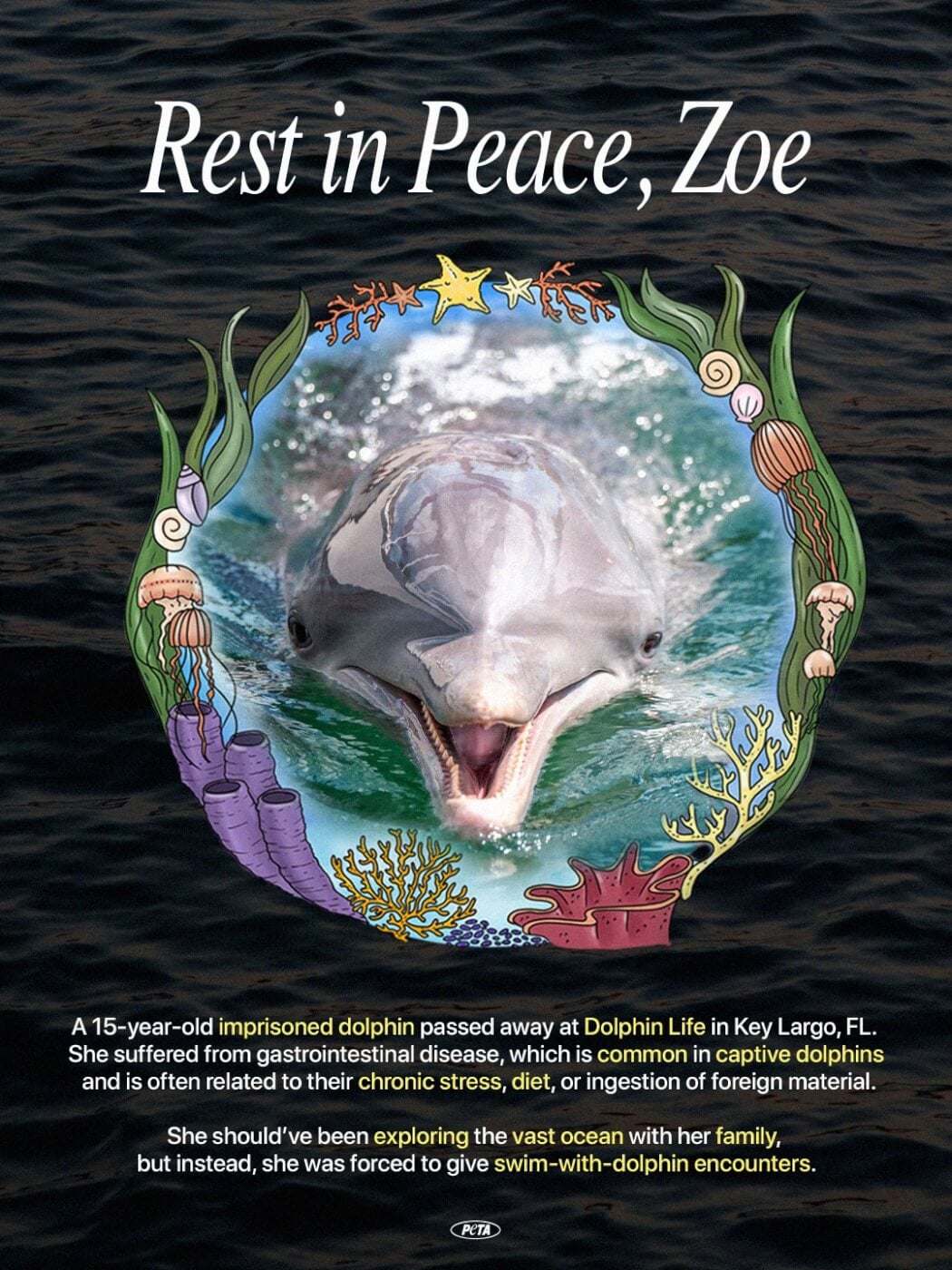
More than 20 dolphins have died at Dolphin Life, including the recently deceased Zoe.
Dolphin Research Center: Visitors See Through its ‘Sanctuary’ Spin
The Dolphin Research Center promotes itself as a “sanctuary” for dolphins, but visitors aren’t buying it.
One reviewer called it “just another marine park like SeaWorld … this is essentially a for-profit operation disguised as a sanctuary.” Another said it is “gross and irresponsible” to support such a place.
Merina has lived at the center since her birth in 1984. Staff have used her repeatedly for breeding, including through forced manual impregnation. One of her calves died shortly after birth.
More than 90 dolphins have died at the Dolphin Research Center. PETA has also filed a complaint with the Federal Trade Commission challenging misleading claims about the facility’s operations.
Visitors Criticize Makeshift Lagoons at Dolphin Quest Hawaii and Oahu
At Dolphin Quest Hawaii, visitors have described watching dolphins swimming endlessly around small enclosures.
One wrote that the dolphins “have very little space” and described seeing them “swimming in circles around their small enclosure.”
Captured from the Gulf of Mexico in 1988, Kona has been denied the freedom of the open ocean for nearly four decades. She has given birth to seven calves, three of whom were later transferred to other facilities.
Meanwhile, at Dolphin Quest Oahu, even a child could see something was wrong. One visitor recalled that their young daughter began crying after seeing the dolphins confined to shallow pools, saying, “the dolphins are sad because they can’t swim down.”
Dolphin Injuries and Deaths at Dolphins Plus Bayside, Theater of the Sea, and Gulfarium Marine Adventure Park
At facilities throughout Florida, the same troubling themes emerge.
At Dolphins Plus Bayside, visitors have reported that interactions have resulted in injuries, while dolphins spend their entire lives being used for entertainment.
At Theater of the Sea, one visitor compared dolphin habitats to “tiny puddles.” Nikki, a dolphin captured in the Florida Keys, has been moved among facilities for decades and used for breeding. More than 45 dolphins have died there.
At Gulfarium Marine Adventure Park, visitors described dolphins as looking “imprisoned.”
Approximately 60 dolphins have died at the facility.
Government Reports Reveal Problems for Dolphins at Mississippi Facilities and Six Flags Discovery Kingdom in California
Some facilities’ records are especially alarming.
At the Institute for Marine Mammal Studies in Mississippi, a 22-year-old dolphin named Jag died from drowning after becoming trapped beneath part of an enclosure while reportedly trying to get away during handling. Government records also documented chlorine levels so high that dolphins developed painful eye problems requiring medication.
At the Mississippi Aquarium, inspectors documented that improper fencing allowed for a security breach in which an intruder gained access to the dolphin habitat and threw large rocks at the animals. Earlier inspections found dolphins lacked adequate shade from the sun.
At Six Flags Discovery Kingdom, federal inspections have cited veterinary and animal care concerns. Records indicate water-quality problems may have contributed to the deaths of two dolphin calves in 2014. One reviewer described the dolphin habitat as “one of the most depressing things I have ever seen.”
Merlin, one of the park’s most recognizable dolphins, was taken from the Gulf of Mexico in 1989 and has spent almost four decades performing in tiny tanks.
The Public Is Beginning to See Through It
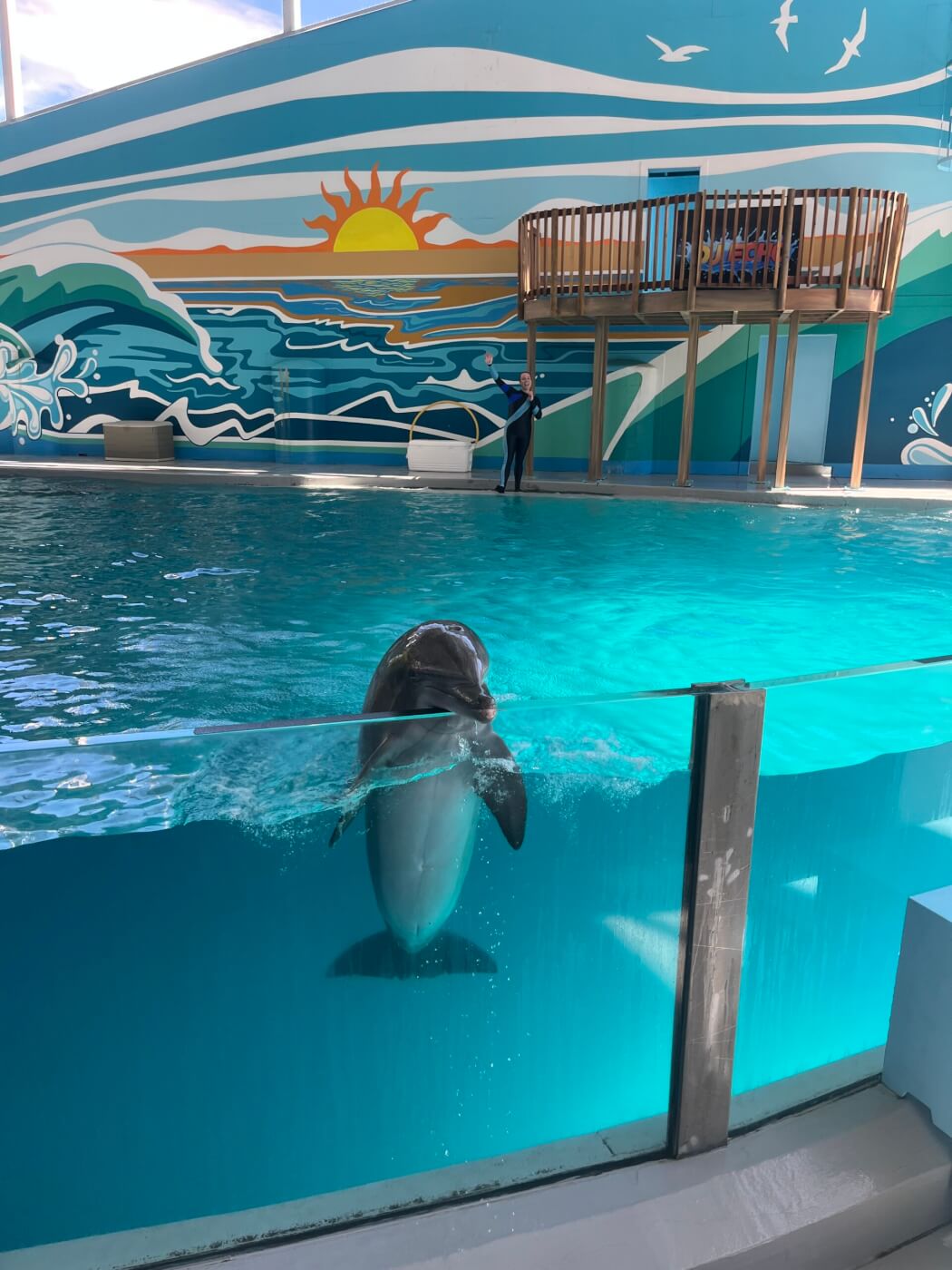
Perhaps the most striking aspect of these facilities is that many of the strongest condemnations are coming from paying customers.
Visitors repeatedly describe dolphins circling endlessly, tiny tanks, depressed-looking animals, and facilities that feel like prisons.
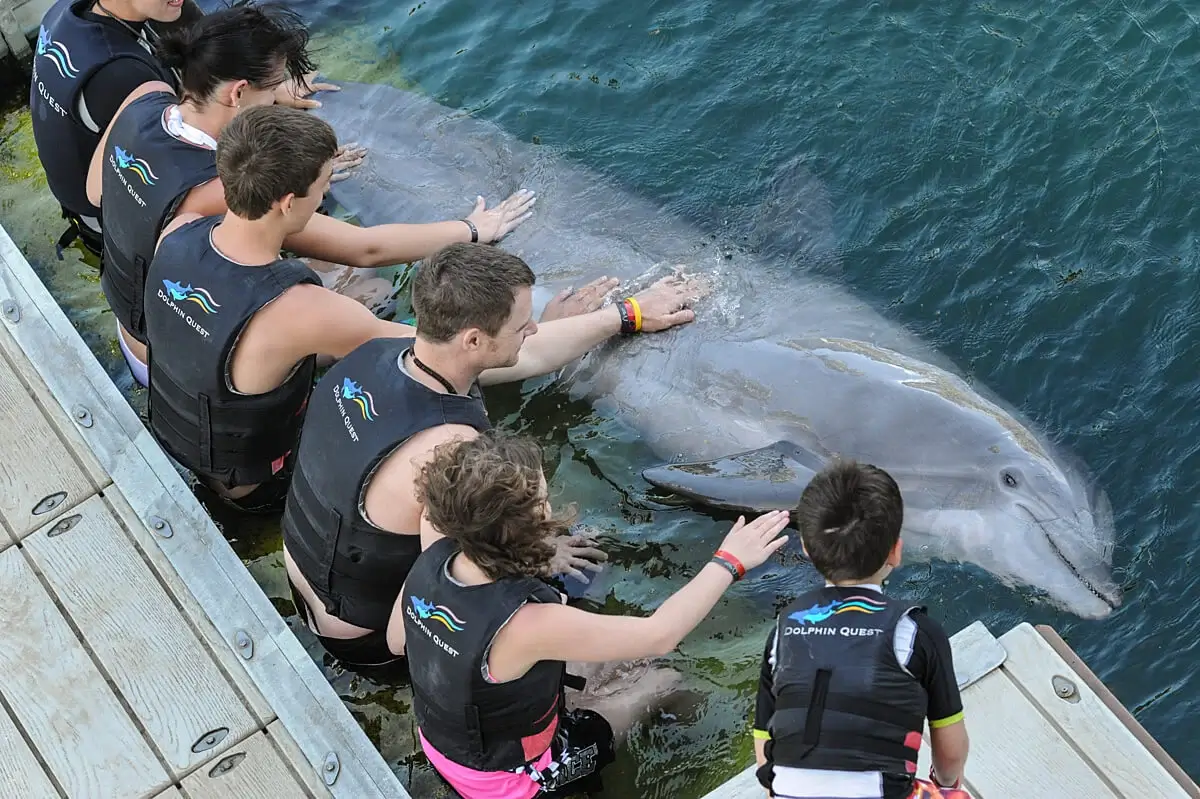
One review of Sea Life Park Hawaii may sum it up best: “If you want to educate your kids on animals, take them to the ocean instead.”
Dolphins belong in the ocean—not in concrete tanks where every aspect of their lives is controlled for human entertainment. As more people witness marine park misery, the message is becoming harder to ignore: there’s nothing educational, inspiring, or conservation-minded about a lifetime of confinement.
How You Can Help Dolphins
Never visit a marine park, resort, or shoddy aquarium that uses dolphins for entertainment. Urge these facilities to release the dolphins to seaside sanctuaries
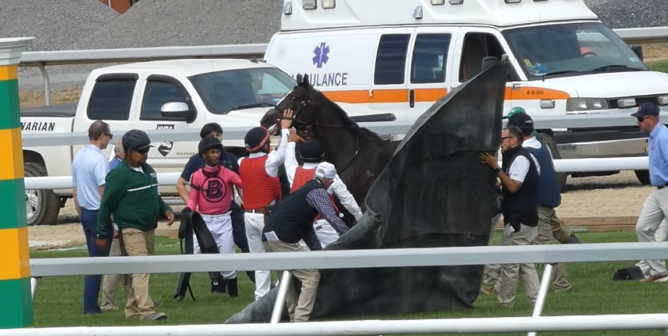
The New York State Gaming Commission must suspend racing on Belmont Park’s inner turf track before another horse is killed.
The travel platform just made it harder for racetracks to hide the truth.

From stopping bullfights to challenging cruel experiments and taking action in the streets, see some of PETA Latino’s biggest achievements for animals this year.