PETA Exposes NIH’s Sham Oversight of Overseas Experiments on Animals
The National Institutes of Health (NIH) claims it has strengthened oversight of foreign laboratories conducting experiments on animals with the agency’s money. But records obtained by PETA show that the agency lavished millions on overseas animal experimenters despite missing animal welfare records, undetected serious problems, and “enhanced” inspections that gave institutions months to prepare and control what inspectors saw.
And animals paid the price.
Nine Bats Killed
An NIH-funded experiment in Australia conducted on bats was underway despite the fact that the experimenters confined the animals for prolonged periods in substandard conditions, there weren’t enough properly trained staff to perform the experiments while meeting containment requirements, and emergency planning was inadequate.
NIH only became aware of the laundry list of problems after a bat tested positive for Hendra virus, which can cause severe, sometimes fatal, illness in humans.
The room that bat was in could not be upgraded to Biosafety Level 4, the highest level of biological containment, so all eight bats confined there were killed. A ninth bat was later killed after also testing positive.
NIH handed over taxpayer money without ensuring that the institution was equipped to conduct these experiments. These animals paid for that failure with their lives.
No Qualifications for a $13 Million Contract
In a separate incident, NIH awarded Australia’s University of Sydney a contract worth more than $13 million to conduct tuberculosis experiments on mice. The university carried out the tests at the nearby Centenary Institute, which lacked an NIH-required animal welfare certification. Centenary’s role in the experiments wasn’t a secret, but the arrangement escaped NIH scrutiny for years while the tests continued.
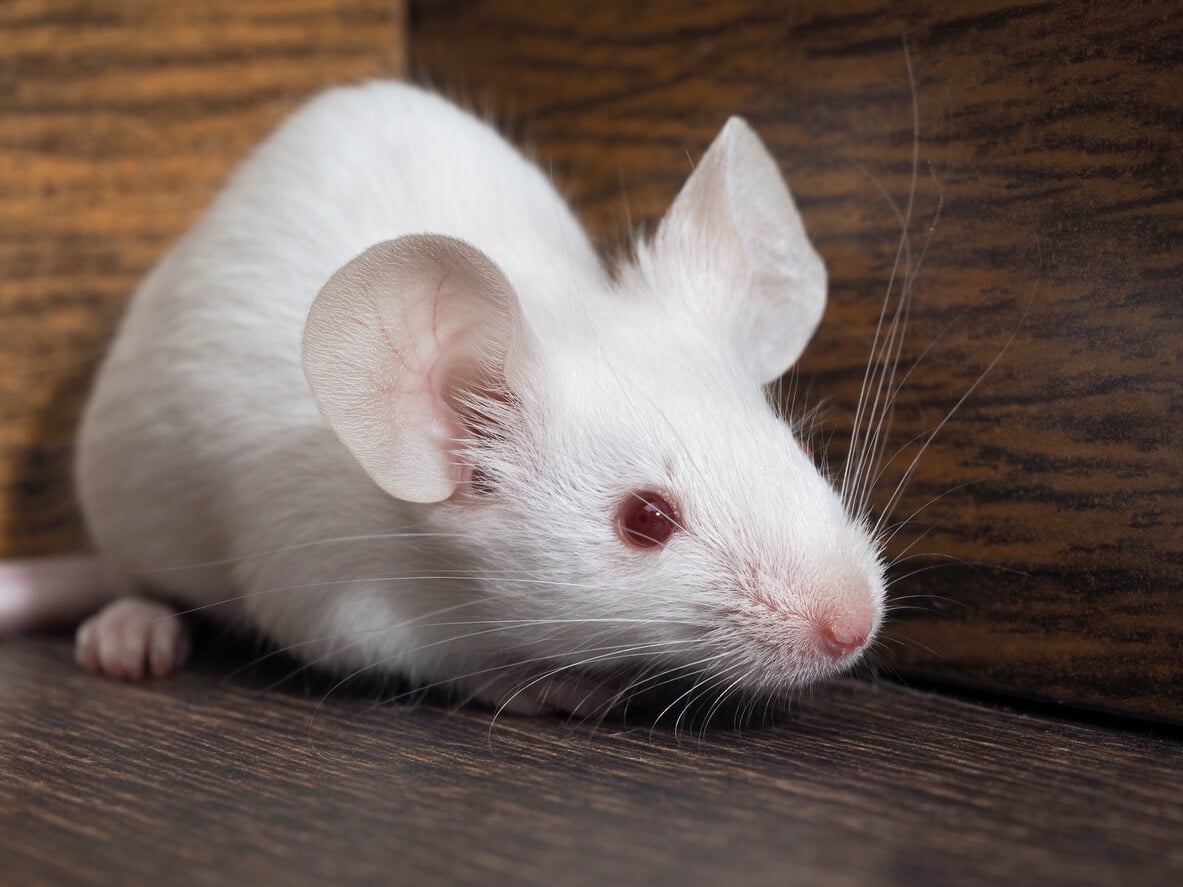
The agency discovered the problem only in 2025, after questions arose over the death of a mouse. Only then did Centenary obtain the certification it should have had all along.
NIH considered that sufficient and closed the matter without further investigation.
Mice Suffered, Nobody Kept Records
At Argentina’s Research Center in Clinical Biochemistry and Immunology, NIH-funded experimenters infected mice with the parasite that causes Chagas disease. The animals developed uncontrollable whole-body tremors and difficulty moving their hind legs. None of the untreated infected mice survived.
The experimenters’ own protocol required euthanizing mice with reduced mobility, yet their published findings cast doubt on whether they followed that rule. They also reported forcing drugs directly into the mice’s stomachs through a tube, despite having approval for a less invasive and traumatic method.
When PETA requested veterinary and monitoring records, the lead experimenter admitted that the laboratory didn’t even generate them. There’s no paper trail to show how the mice were cared for, how much they suffered, or when they died.
Bottom line: NIH funded the experiments. The mice suffered, and the institution couldn’t account for what happened to them.
Please Prepare for Your Inspection
If you wanted to design a system that ensured inspectors saw only what you wanted them to see, you’d have trouble improving on NIH’s “enhanced” inspection system.
First, the tip-off.
NIH gave Canada’s Simon Fraser University nearly three months’ notice to prepare for an inspection. Ross University School of Veterinary Medicine in St. Kitts had nearly five months. Newcastle University in England got seven months’ notice before an NIH inspection. Seven.
The inspections had all the rigor of a shrug.
First of all, they were virtual, not boots-on-the-ground affairs. According to records PETA obtained, these institutions helped determine who participated and what inspectors saw during camera tours of “key areas” they selected. It’s easier to hide the bad stuff if you hold the camera.
Despite the generous heads-up, serious problems remained at Newcastle. NIH told the university to reevaluate its protective equipment standards, as well as its tuberculosis and Herpes B virus testing procedures after potential human exposures. Inspectors also found financial reporting and compliance problems. And what did NIH do? It kept funding Newcastle’s monkey experiments anyway.
Ross University didn’t exactly ace its open-book inspection, either. It was still updating sanitation procedures and had yet to implement a centralized system to monitor temperature and humidity. Ross promised to fix the problems. NIH took its word for it, handed out commendations, and closed the review.
And these inspections are the exception, not the rule. According to records obtained by PETA, NIH has inspected only a handful of the hundreds of foreign institutions cleared to receive U.S. taxpayer money for animal experiments. Imagine what goes unchecked at the rest.
How Do YOU Think You’re Doing?
Much of NIH’s oversight amounts to asking institutions to police themselves. What could possibly go wrong?
Unsurprisingly, the institutions found little that needed policing.
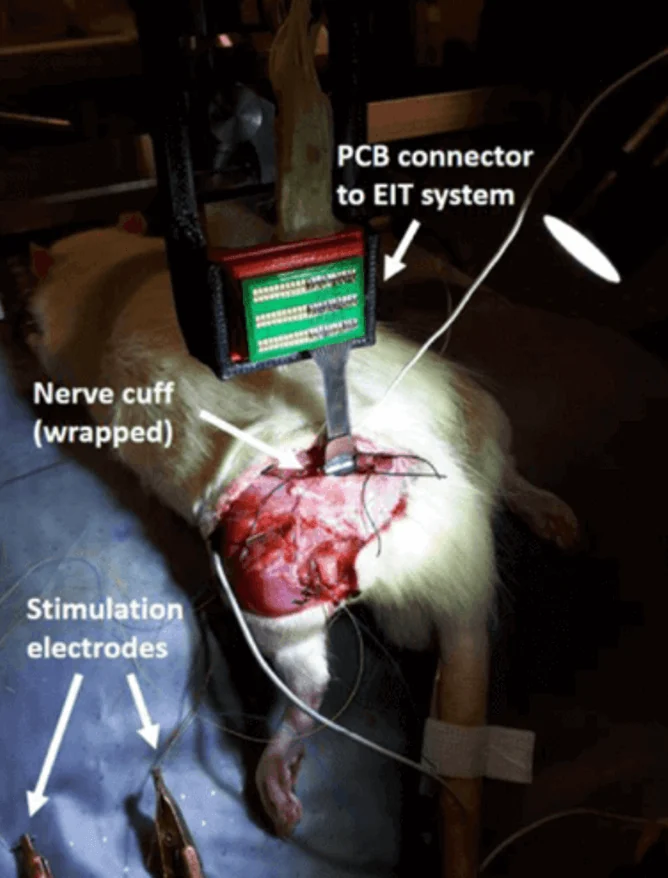
PETA reviewed 70 annual reports involving NIH-funded experiments on animals from 2023 through 2025. Of those, 67 reported no violations. That’s 96%. That implausibly low number does not prove near-perfect compliance. It exposes an oversight system that sees only what institutions choose, or remember, to report. If an institution does not recognize a problem, NIH does not see it. If an institution recognizes a problem but does not report it, NIH may never know.
What You Can Do
No amount of oversight can make experiments on other species relevant to human biology or guarantee results that help patients. But Congress can end this mess.
Passing the bipartisan Cease Animal Research Grants Overseas (CARGO) Act would stop NIH from shipping federal money overseas for pointless experiments on animals. If you’re in the U.S., please TAKE ACTION and urge your members of Congress to pass it:
And no matter where you live, you can urge NIH Director Dr. Jay Bhattacharya to stop funding all experiments on animals in all foreign countries.