Dolphin Dies at Sea Life Park Hawaiʻi: Will Her Family Ever Be Free?
For her entire life, a bottlenose dolphin named Hiʻiaka knew only the confines of concrete tanks and artificial lagoons in Hawaiʻi. She never experienced the ocean’s depths, felt its currents, or swam freely alongside her pod. In October, after nearly four decades in marine park captivity, she died at Sea Life Park after a rapid decline following chronic illness.
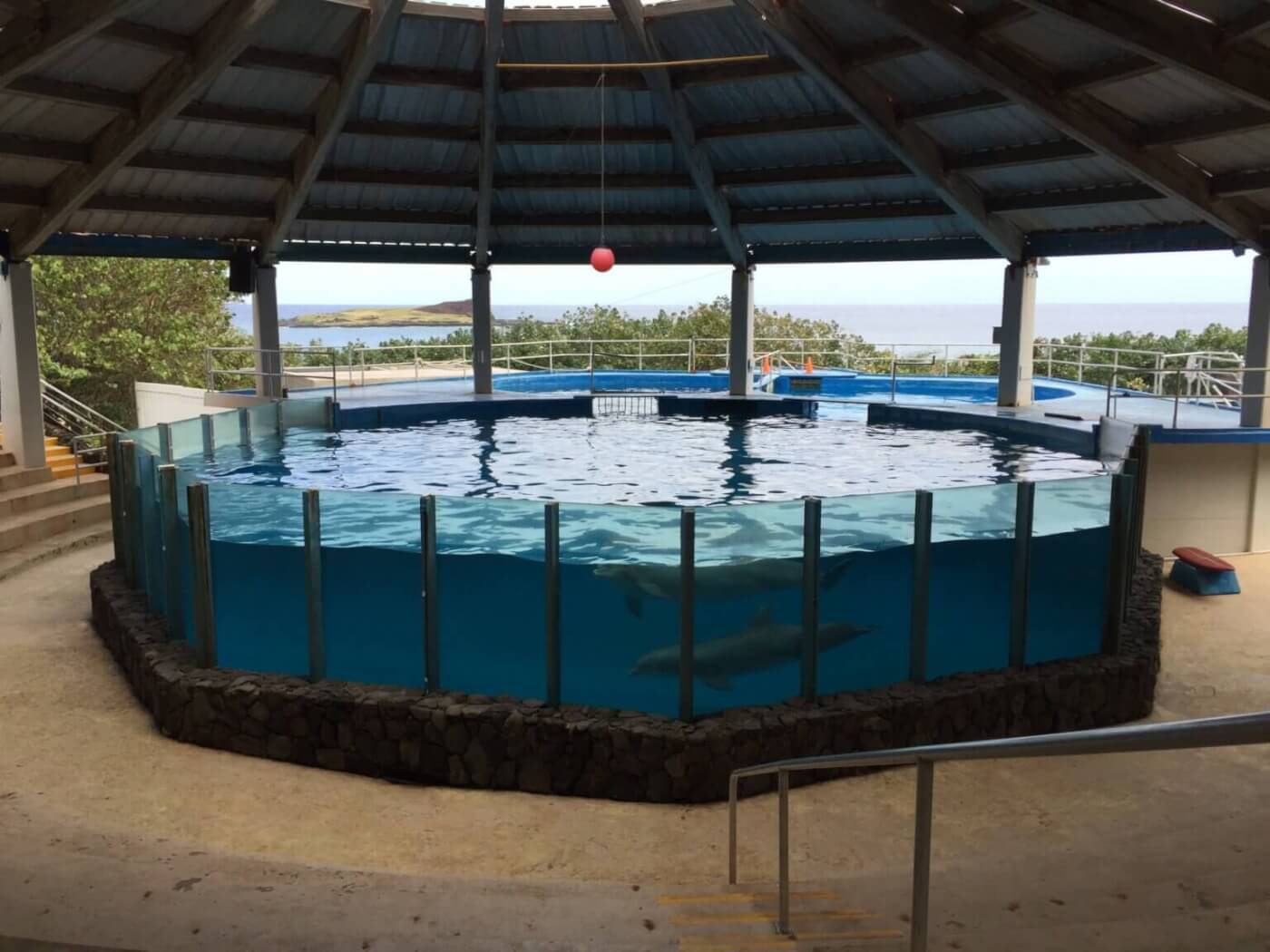
Hiʻiaka is one of more than 100 dolphins who have died at Sea Life Park Hawaiʻi. Now, PETA is urging the park’s new owner, Hawaiian Council, to move the surviving dolphins—including Hi’iaka’s mother, Laka—to a seaside sanctuary, where they could finally live free from exploitation and experience a life Hiʻiaka never had the chance to know.
A Family Marked by Decades of Marine Park Exploitation
Hiʻiaka was born at Sea Life Park Hawaiʻi in 1988, into a life in concrete tanks she would never escape. She was used as a breeding machine to create generations of dolphins to exploit. Over the years, she gave birth to four calves, three of whom died before her.
Her mother, Laka, is still at the park more than 50 years after humans abducted her from her ocean home off the coast of Mississippi. Now, having outlived her daughter, Laka remains among the dolphins PETA is working to send to seaside sanctuaries.
In the ocean, Hiʻiaka and her family could have explored vast underwater worlds, foraged, played, and chosen whom to spend their time with. Sea Life Park Hawaiʻi denied them these freedoms.
Places that exploit dolphins for stressful, unnatural hands-on encounters—like Sea Life Park Hawaiʻi—confine them to barren tanks or shallow, makeshift lagoons. They often force dolphins into incompatible social groups, with nowhere to escape when conflicts erupt.
Sea Life Park Has a Chance to Honor Hiʻiaka After She Was Exploited for Decades
Following Hiʻiaka’s death, PETA sent a letter to Hawaiian Council President and CEO Kūhiō Lewis, calling on him to end the cycle of exploitation and death at Sea Life Park Hawaiʻi by developing a plan to send the surviving dolphins to seaside sanctuaries.
At a seaside sanctuary, they could finally experience a more natural environment and choose how to spend their days.
Hiʻiaka never got to see the ocean. The dolphins who remain at Sea Life Park Hawaiʻi still have a chance at a better life.
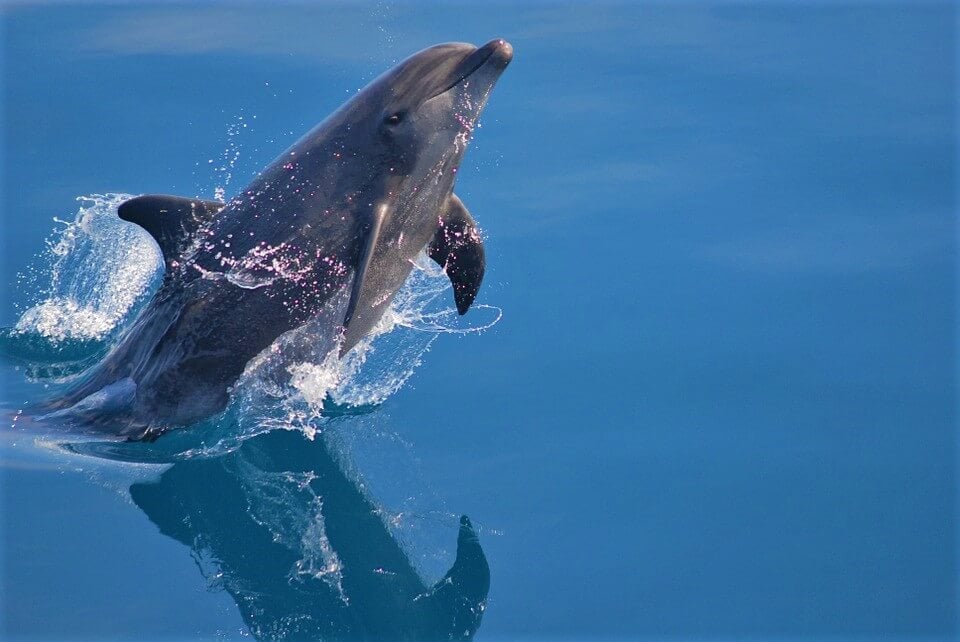
Dolphins Belong in the Ocean. Here’s How You Can Help.
A life in a tiny tank is no life at all for sensitive, social dolphins. And the public agrees. A new survey conducted by The Harris Poll and commissioned by PETA found that 92% of Americans believe dolphins belong in the ocean, not in tanks. The survey also found that 63% of respondents would have a more positive opinion of a marine park or resort that publicly committed to relocating dolphins to seaside sanctuaries.
YOU can help dolphins and other animals exploited for human “entertainment” by refusing to visit marine parks that confine them. Never pay to swim with dolphins or participate in other animal encounters and urge facilities to retire surviving dolphins to reputable seaside sanctuaries.