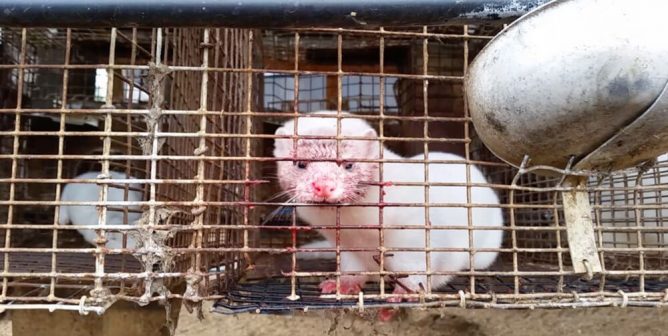
Thousands of minks and scores of foxes were kept in filthy, wire cages until they were slaughtered—all so that their fur could be turned into clothing.
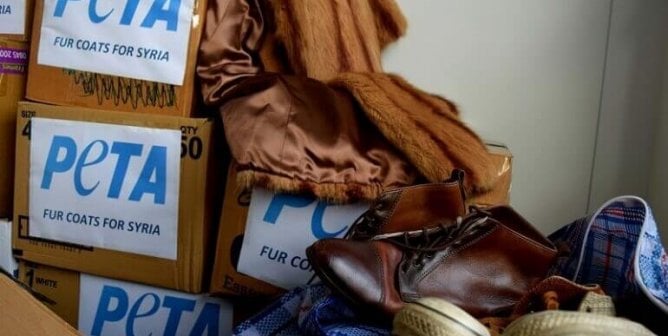
We can’t bring back the animals killed to make fur coats, but we can use the coats to help refugees who are struggling to survive.

After years of legal battles, a Dutch appeals court has made it clear that the barbaric fur industry must be shut down.
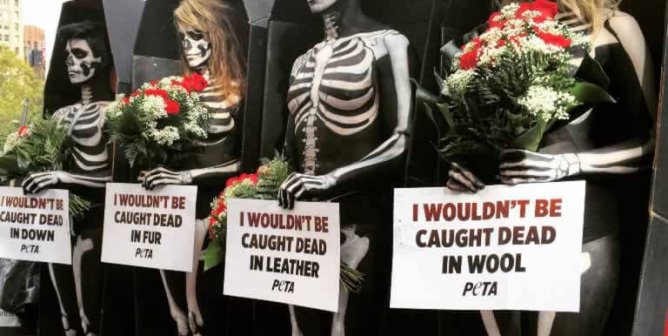
What’s scarier than real-life skeletons? The leather, fur, wool, and down industries.

The iconic men’s magazine “Playboy” is pulling its pin-ups, but have no fear: Here at PETA, we’d still rather bare skin than wear skin.
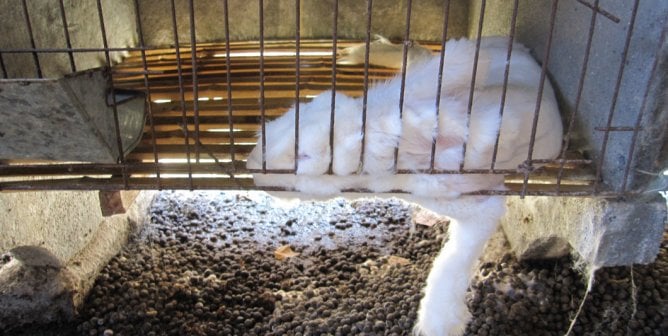
PETA visited angora farms in China deemed “humane” by third-party auditors and discovered suffering, neglect, and cruelty beyond imagination.

After PETA released its angora wool exposé, Inditex banned angora from all its brands and found a great use for the wool it had in stock.

Robert Redford’s Sundance catalog gets out of the angora business.
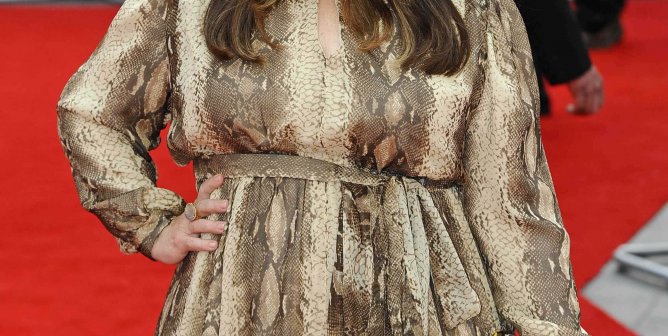
Melissa McCarthy’s new clothing line is made for women of all pant sizes and just one heart size.
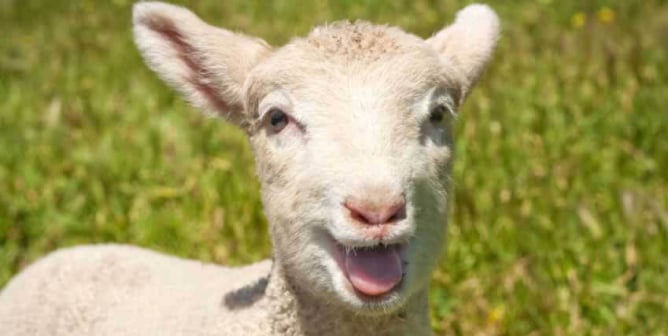
When animals’ body parts are used for mass production, to be turned into wool coats or leather boots, cruelty will always be part of the process.
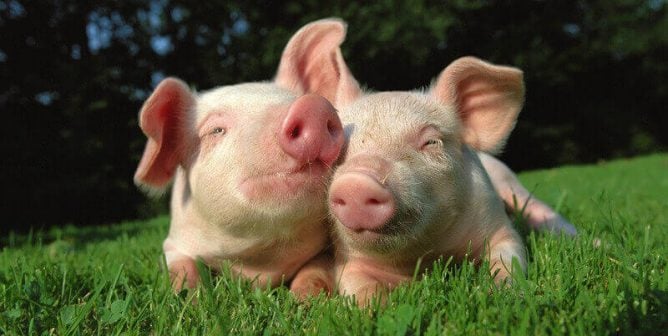
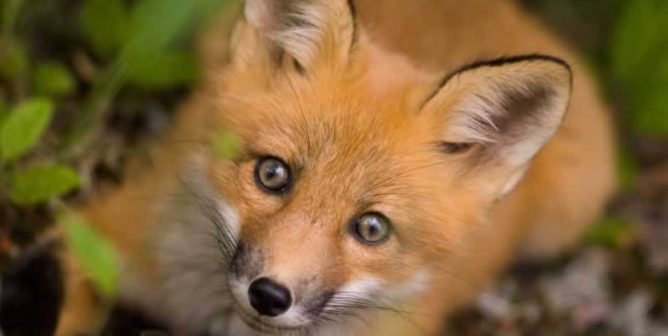
Sport Chalet agreed to stop selling fur after learning from PETA how animals are electrocuted, bludgeoned, strangled, and skinned alive for their pelts.
PETA’s attorneys hit the company with a cease-and-desist letter.
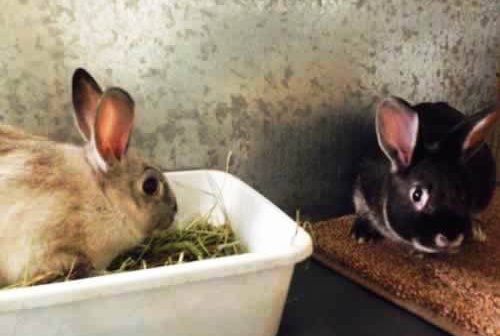
Eighty-three rabbits are now safe and sound and won’t be turned into meat, fur, or bunny breeding machines.
Activists outside wield bloody, skinned “animal corpses” while a PETA representative inside grills shareholders on why a Gap subsidiary still sells fur.
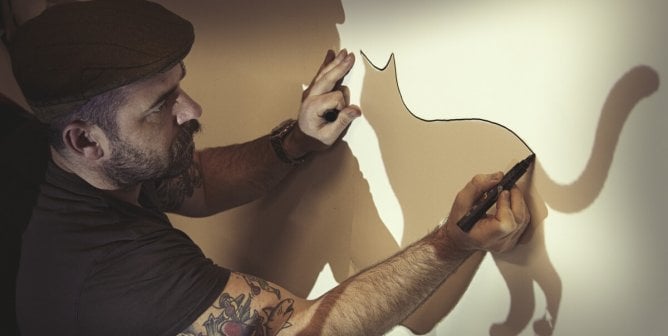
PETA’s poignant collaboration with artist Solus reminds Dubliners of the thousands of victims of Ireland’s fur farms.