We will never turn our backs on the animals who need us the most. Here’s why.
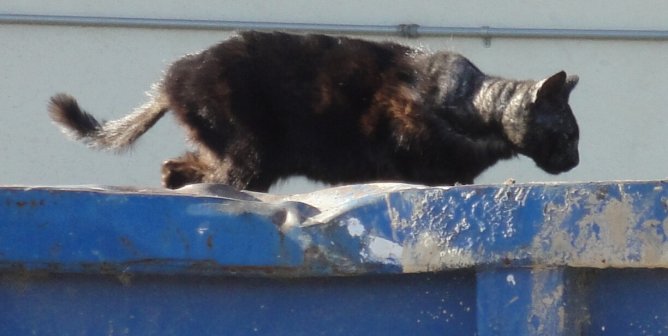
What happens to unwanted cats when shelters refuse to help them?
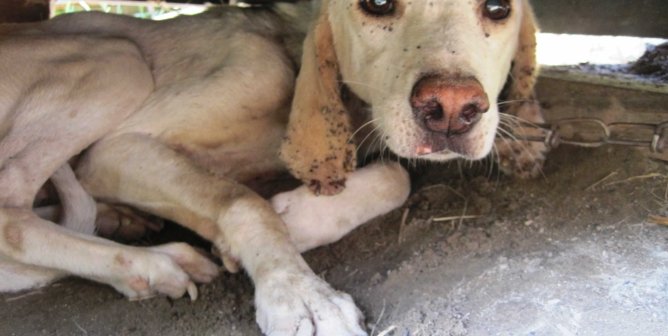
“No-kill” often means slow-kill when shelters turn animals away. Urge your shelter to keep its doors open to all animals in need.
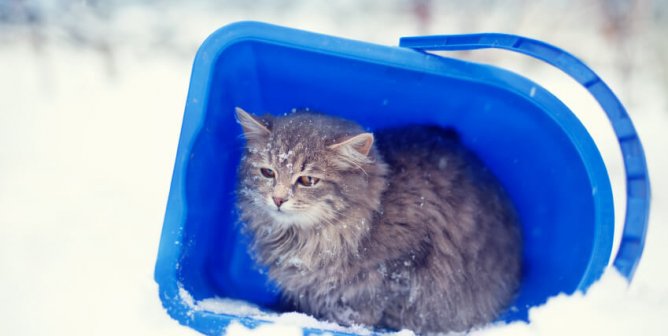
Freezing temperatures, traffic, parasites, illness, injuries, and cruel people are everyday dangers that cats face when released outdoors.
Scam “rescues” that hoard and neglect animals, sometimes fatally, depend on donations from kind but unwitting people. What kind of “rescue” are you supporting?
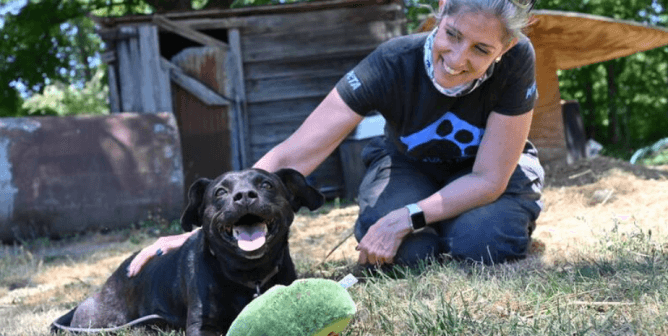
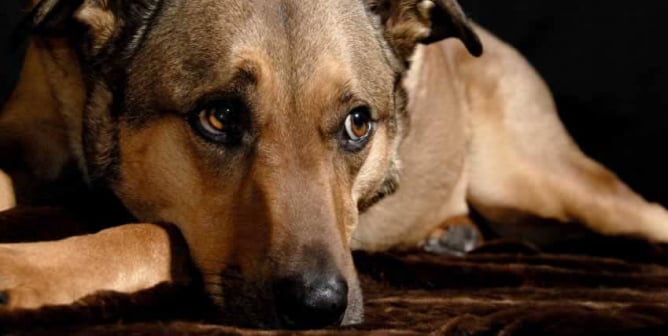
What happens when shelters turn away animals in need? The animals suffer and die somewhere else.
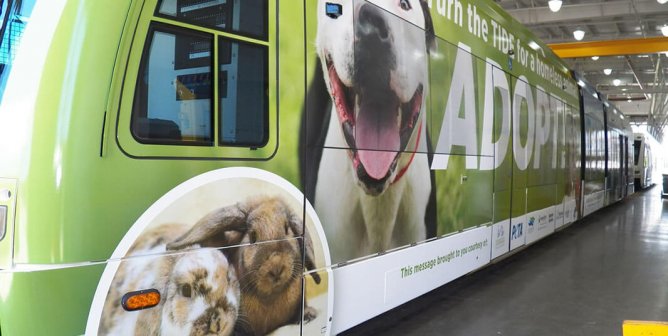
Thousands of commuters get a reminder to spay, neuter, and adopt homeless animals from the shelter.
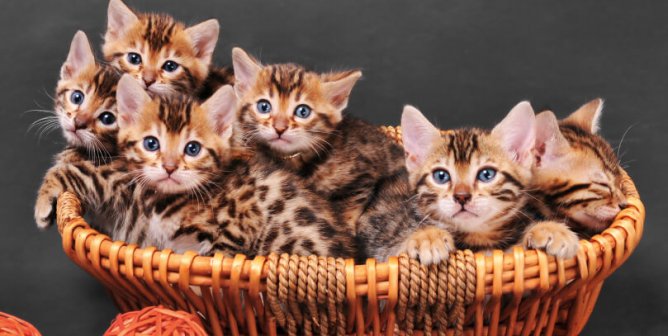
Stop glorifying “no-kill” policies until there is no longer a need to euthanize. No animal should have to suffer and die in pain because of wishful thinking.
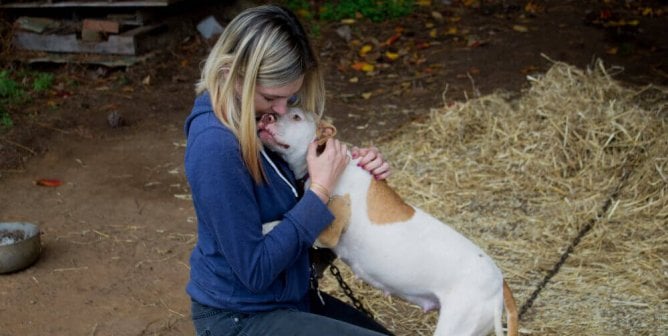
A high “save rate” at an animal shelter sounds appealing, but what does it mean for animals?
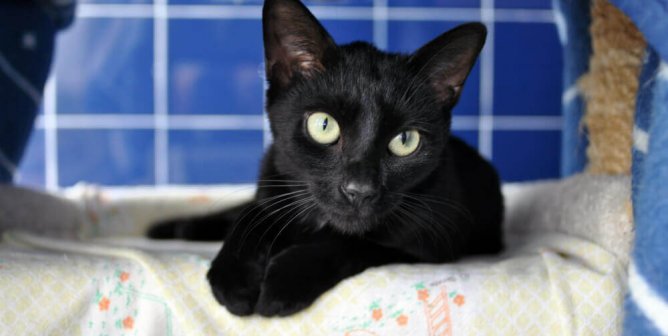
Homeless animals need help now, not when “no-kill” shelters get around to it.
In an attempt to boast higher “save rates,” some shelters are taking dangerous measures, including adopting out dogs with an unpredictable temperament to unsuspecting members of the public.
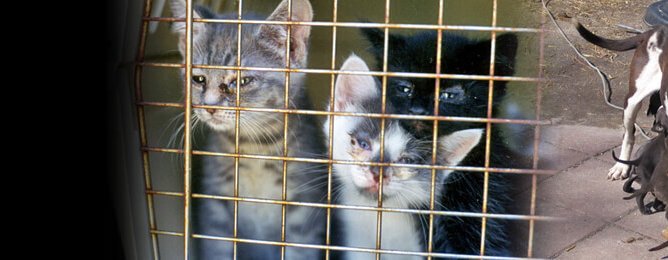
A gruesome discovery in a Tennessee barn has provided yet another example of how animals suffer and die when shelters become desperate to avoid euthanasia.
Watch as PETA President Ingrid Newkirk exposes the deadly consequences for animals of so-called “no-kill” policies and what you can do to stop them.

Being saved from “death row” provides a dog involved in a fatal attack with only a short reprieve.
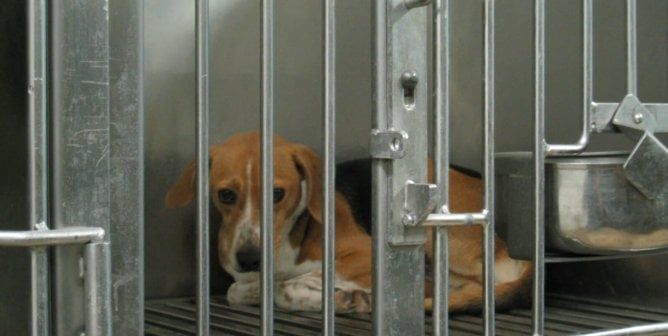
There are literally hundreds more unwanted animals born every minute of every day. What’s a community to do?