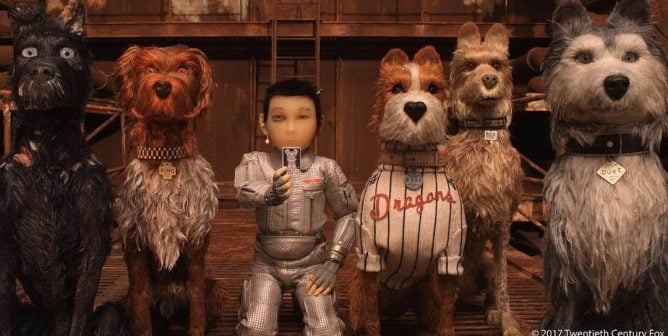
Dogs take on leading roles in Wes Anderson’s new heartwarming film. Instead of using real dogs, they’re brought to life through stop motion.
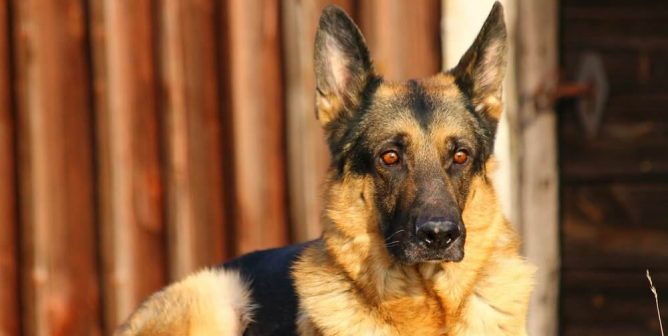
“I witnessed first hand one of the worst animal cruelty acts I have ever seen.”
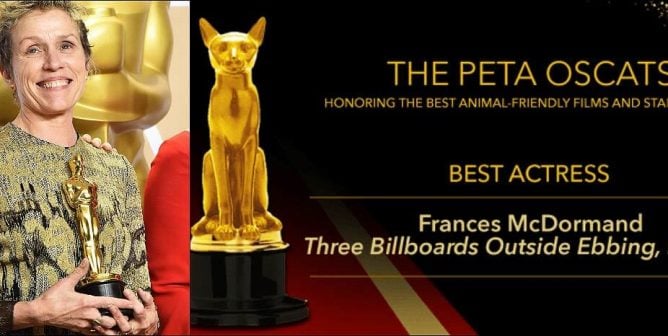
Frances McDormand just taught the world what an inclusion rider is. Now PETA wants Hollywood to go a step further with “exclusion riders.”
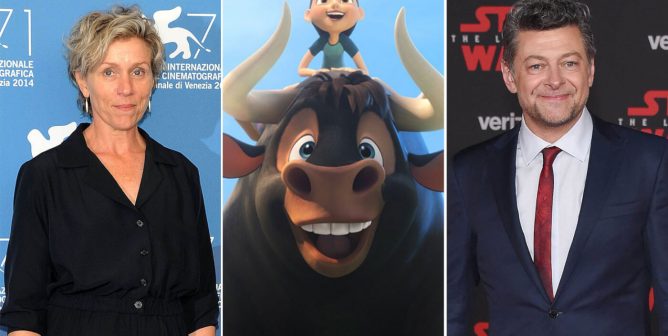
Did your favorite flicks do right by animals?
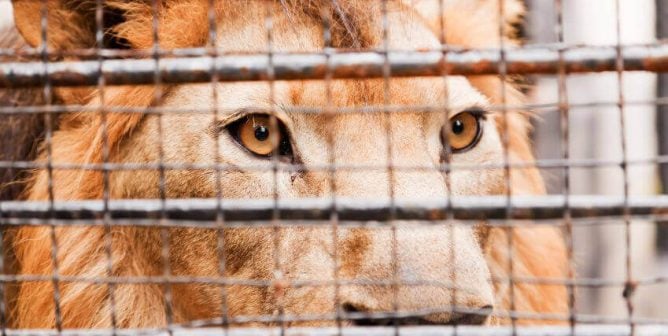
After years of pressure from PETA, notorious television and movie animal exhibitor Sidney Yost can no longer supply or handle animals for film and television productions.
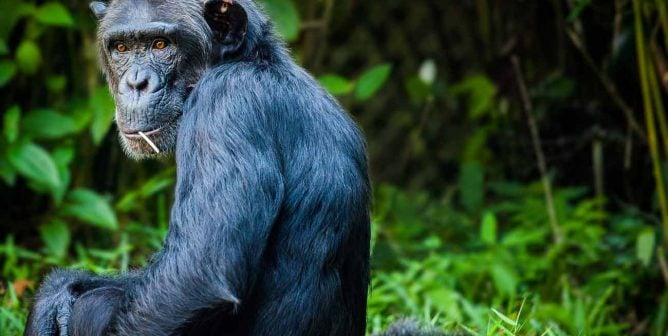
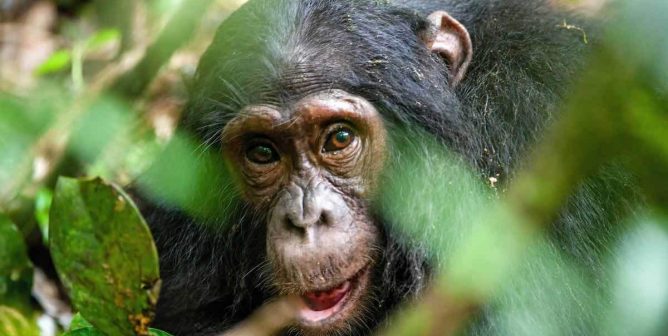
By adopting this progressive policy, the company has made a huge difference for nonhuman primates, both in the wild and in captivity.
PETA President Ingrid Newkirk reminds viewers of the cruelty inherent in using animals as “actors.”
Hollywood must be held responsible for what happens when the cameras stop rolling.
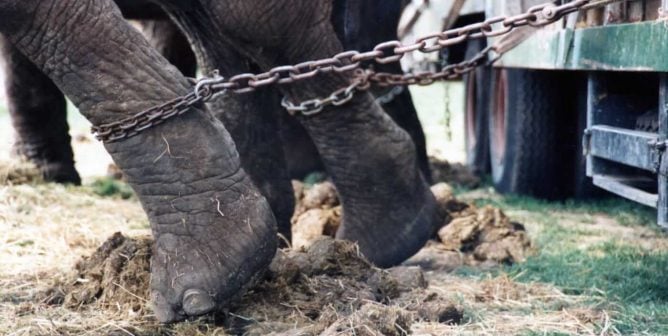
Adding insult to injury, ‘Saving Flora’ tells the story of an elephant trying to escape the circus—a reality all-too-familiar for elephants used in film.
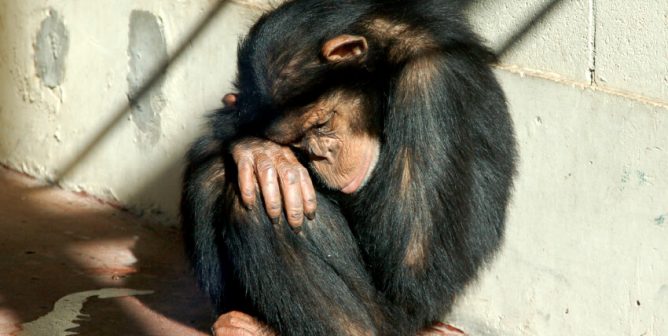
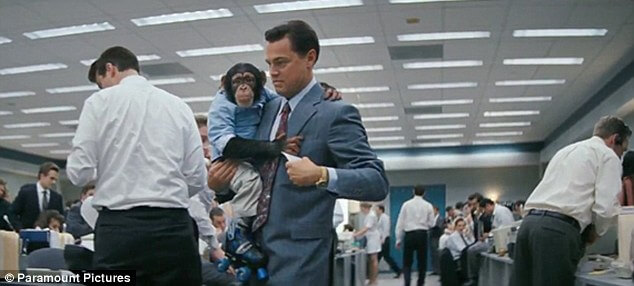
Chance, the chimpanzee who appeared in “The Wolf of Wall Street,” is yanked by a leash and forced to perform tricks at a Florida roadside zoo.
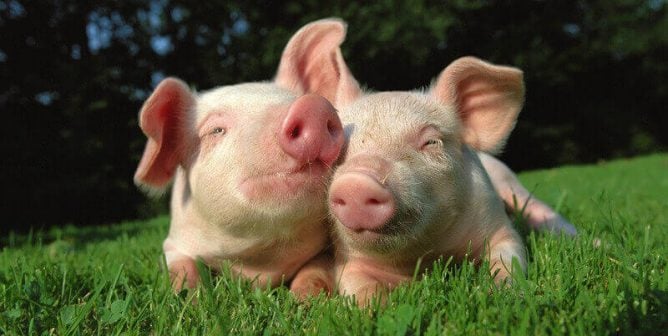
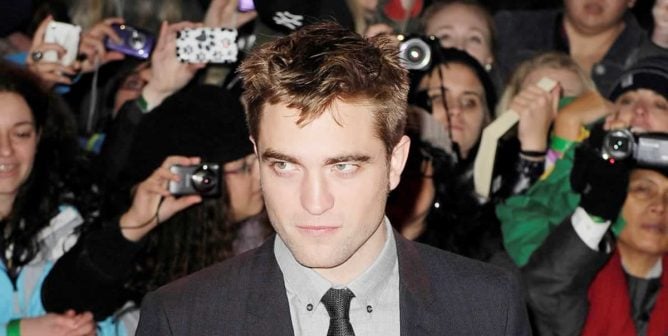
Thankfully, this dog found an advocate in RPattz, but this is one more example demonstrating why it’s never a “good time” to be an animal used in films.
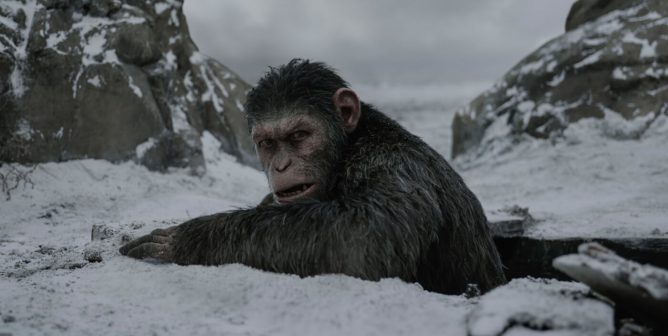
The film is laced with anti-captivity messaging, so it’s only fitting that animal welfare was taken into account when digitally creating the stars of the film.
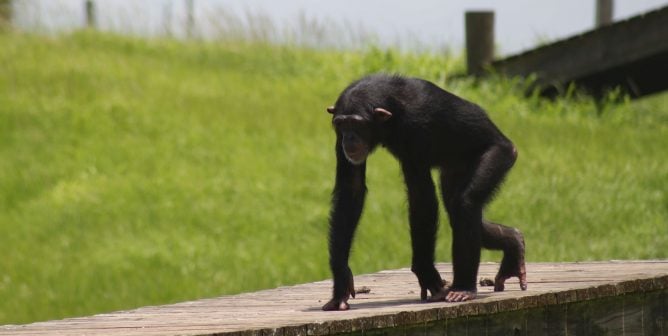
The staff and animals waited patiently as Lisa Marie learned to trust. And just look at her today.
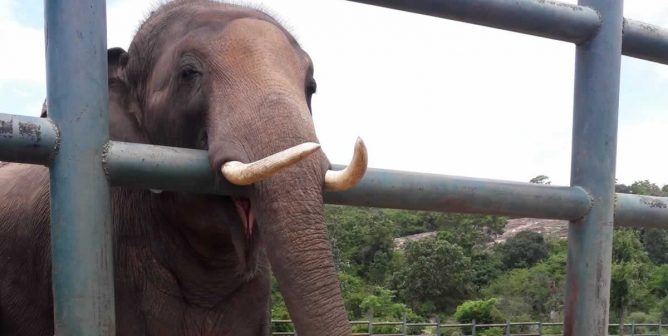
It took years, Paul McCartney’s help, and the support of hundreds of thousands of people to win Sunder’s freedom. And his smile is worth it all.
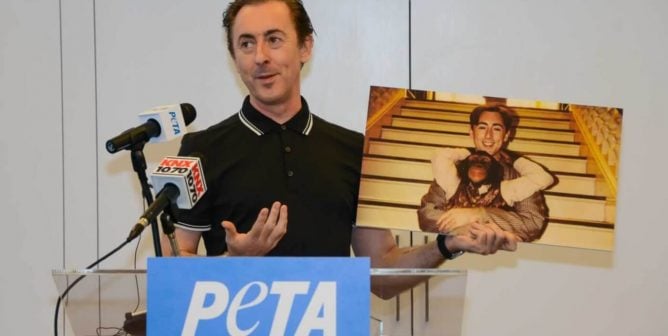
The organization’s landmark legal case seeks to have 11 chimpanzees currently housed at a dismal holding facility be released to accredited sanctuaries.