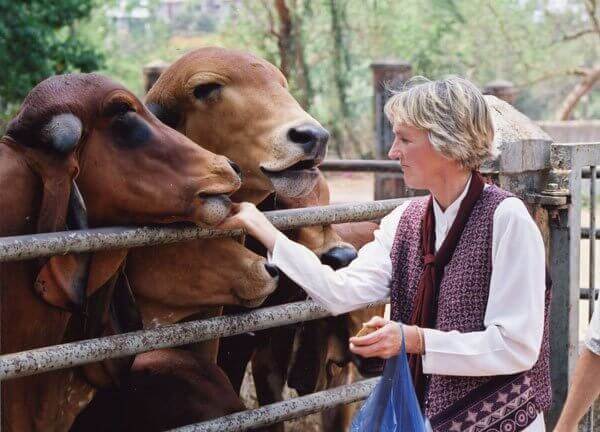
The groundbreaking book “Animal Experimentation: Working Towards a Paradigm Change” was written by 51 experts, including a PETA vice president.
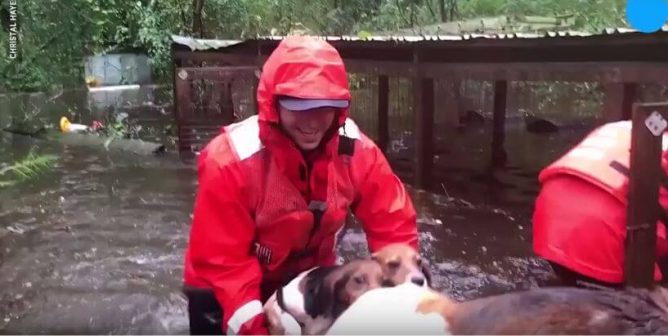
The U.S. Coast Guard has shown that concern for animals can and should be a factor in decision-making.
“Once you’ve been here a few days, you lose respect for all living things. Torturing animals is the name of the game.” —Biosearch employee
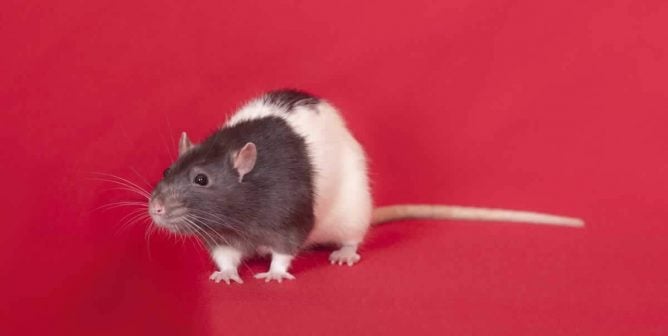
After a string of failures, experimenters are finally realizing that the way they’ve been trying to develop treatments for Alzheimer’s disease has gotten them nowhere.
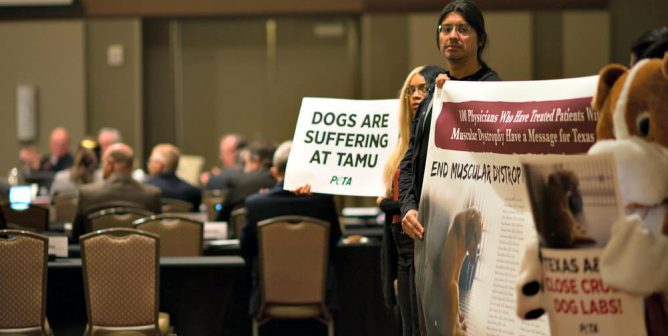
Five hundred physicians have joined PETA in urging Texas A&M University to stop its cruel muscular dystrophy experiments on dogs.
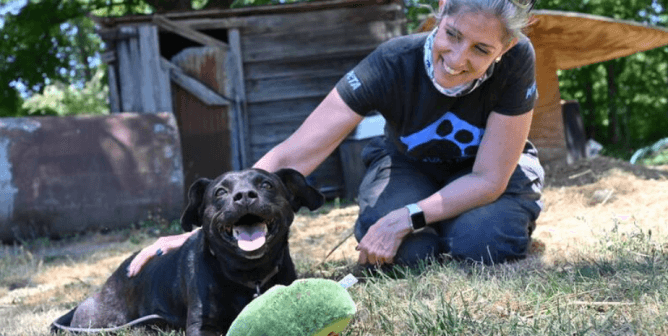

After hearing from PETA’s attorney, Texas A&M University was forced to admit that it can’t pick and choose who has the right to free speech.
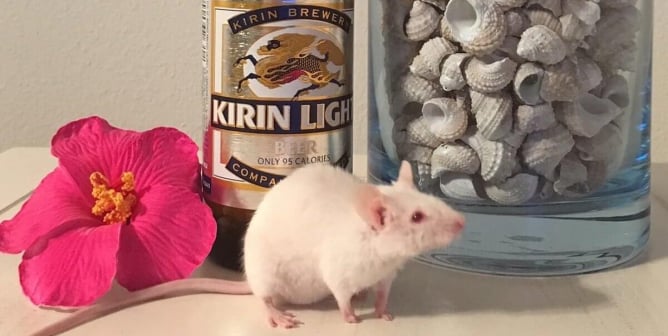
Grab a bottle of Kirin, and join us for a toast. The company is ending animal tests after working with PETA!
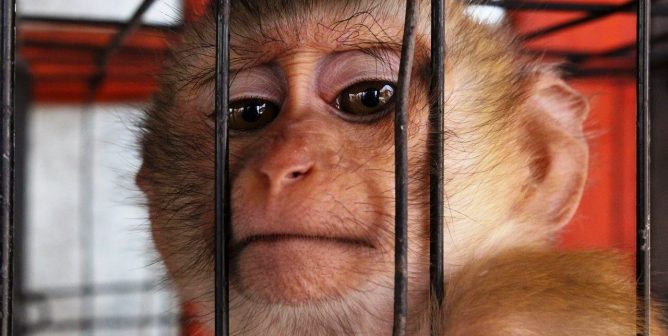
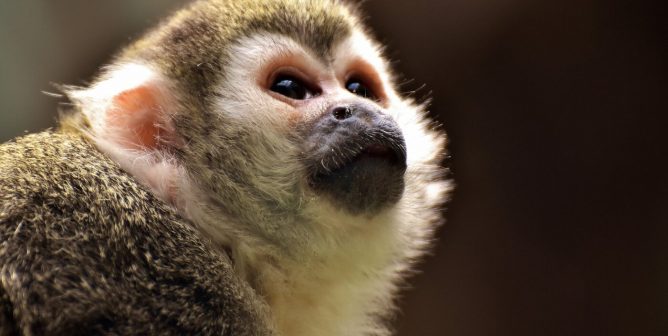
Scientists have discovered that monkeys in the wild are potential reservoirs for Zika virus—a threat that PETA warned of in 2016.
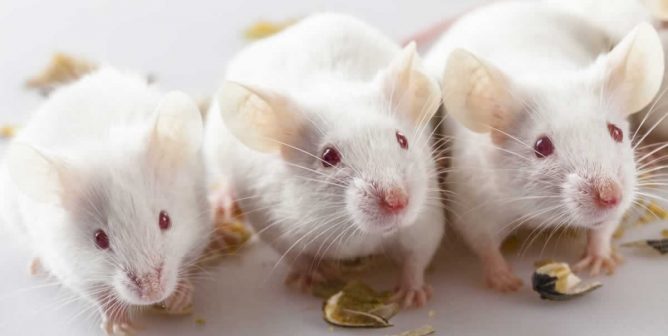
Morinaga & Co., maker of HI-CHEW candy, is the latest food and beverage company to end experiments on animals after hearing from PETA.
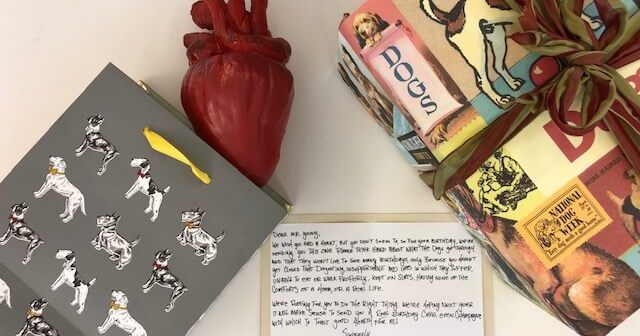
PETA calls on Michael Young to put an end to TAMU’s cruel, pointless muscular dystrophy experiments on dogs.
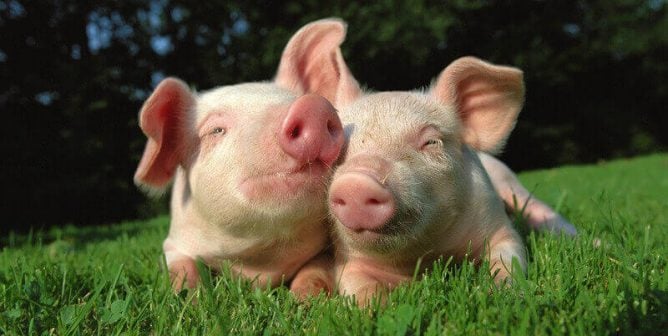

Fall is here, and while everything from the trees to the weather is starting to change, PETA’s track record for success always stays constant.
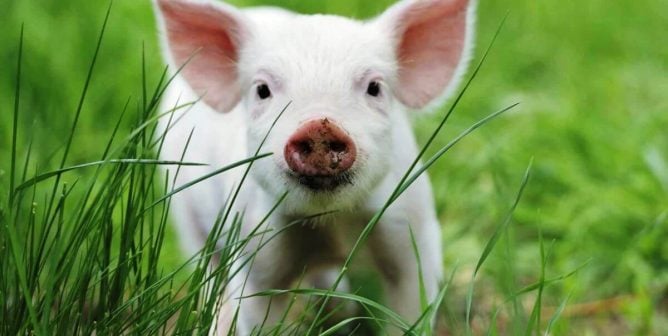
PETA Germany—with support from PETA U.S.—has persuaded a major German hospital to stop cutting pigs apart in deadly training exercises for surgeons.
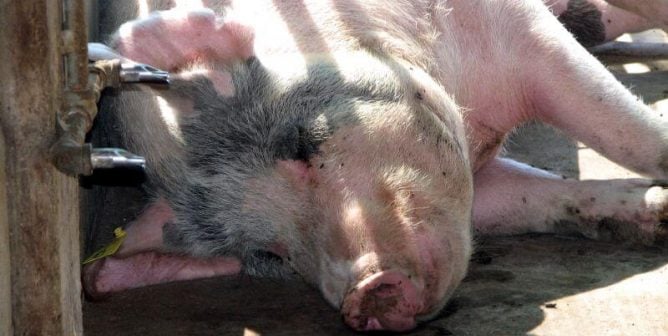
Texas A&M can’t bring back the pig, dogs, or other animals it has tormented and killed, but it can prevent further suffering.
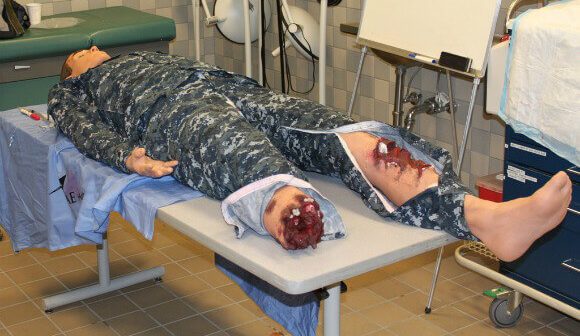
The new study reiterates what PETA has said for years—it’s irrational to mutilate and kill animals to train trauma medics.

PETA will continue to defend our right to speak out, using creative and lawful means, until Texas A&M’s cruel experiments on dogs end.