

This Dangerous Weed Could Kill Your Dog
A foxtail may look harmless, but this common weed can seriously injure—or even kill—dogs and cats.
Foxtails are grass seed heads with sharp, barbed tips designed to burrow into the ground. The barbs can also burrow into animals’ bodies. Once attached, they can work their way into their skin, paws, ears, nose, eyes, mouth, genitals, lungs, and even internal organs.

Foxtails are most common in the Western part of the U.S. and are especially dangerous during hot, dry months. They can cause severe pain, infections, abscesses, damaged lungs, and other life-threatening injuries.
Long-haired dogs are at high risk because foxtails easily cling to fur, but short-haired dogs with upright ears are vulnerable, too.
Here’s how to protect your animal companions from foxtails and spot warning signs early.
How to Protect Dogs and Cats From Foxtails
- Avoid walking dogs through tall, dry grass or overgrown trails during foxtail season, especially in summer.
- Check your animal companions carefully after walks, hikes, or outdoor play.
- Pay close attention to:
- ears
- paws and between toes
- nose
- mouth
- genitals
- eyes
- armpits
- Brush animals after they’ve been outdoors or run your hands through their fur to check for barbs.
- Keep fur trimmed during foxtail season. Some groomers even offer “foxtail cuts.”
- For dogs with exposed ears, try tying a bandana around their head or putting a cotton ball in each ear to help block seeds from entering the ear canal.
- Remove foxtail weeds from your yard by pulling them out at the roots. Don’t mow them, since mowing can spread the seeds.
- Never let cats outside unsupervised.
Signs That an Animal May Have Picked Up a Foxtail
Watch for these symptoms:
- Limping
- Swollen paws or foot pads
- Incessant scratching or licking (particularly of feet or genitals)
- Head shaking or tilting
- Eye discharge, swelling, or redness
- Frequent sneezing or a runny nose
What to Do if You Find a Foxtail on an Animal
Foxtails do not work their way out on their own. Once embedded, they can continue moving deeper into the body and cause serious damage. If a foxtail is caught in fur, you may be able to carefully remove it with tweezers. But if it appears lodged in the skin—or if you suspect your animal companion inhaled or swallowed one—contact a veterinarian immediately.
Protect Your Neighbors!

Whether you live with a dog or not, you can help spread awareness about this dangerous weed! Download and share our free foxtail safety flyer to help spare our animal family members from pain, suffering, and potentially deadly injuries. Every animal is someone—and they deserve our protection.
Text VEG to 73822 to get the latest vegan lifestyle tips, recipes, and urgent action alerts texted right to your phone.
Terms for automated texts/calls from PETA: https://peta.vg/txt. Text STOP to end, HELP for more info. Msg/data rates may apply. U.S. only.



Plus, see how a groundbreaking bill could change everything for dogs like Cash.

From California to Texas to Michigan, the same nightmare keeps repeating. Here’s how “no-kill” policies have caused a national crisis.

From bold demonstrations to a plea delivered by punk legend Iggy Pop, PETA is pressing the company to stop treating birds like merchandise.
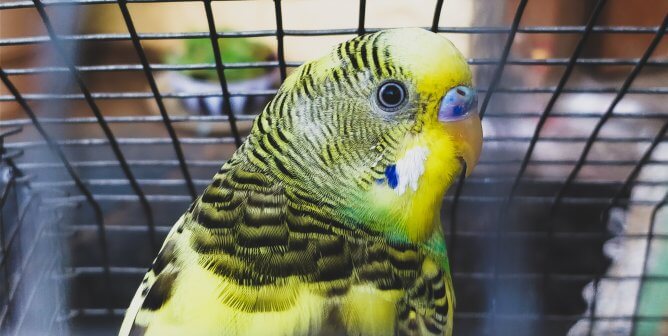
Parakeets are highly social birds who require far more than a cage, a bowl of food, and occasional attention. Do you know what goes into caring for one of these remarkable birds?