Are Parakeets Hard to Care For?
Are parakeets hard to care for? Yes! Although these birds are small, their needs are massive. Parakeets are intelligent, active, highly social birds who require far more than a cage, a bowl of food, and occasional attention. Do you know what really goes into caring for one of these remarkable individuals?
Why Are Parakeets Hard to Care For?
Parakeets evolved to live in large, active flocks, fly long distances, and spend their days exploring, communicating, and foraging. In nature, they choose where to go, whom to interact with, and how to spend their time.
Meeting a parakeet’s physical, social, and psychological needs requires a significant commitment of time, money, attention, and space.
Parakeets are hard to care for because there’s no such thing as a “pet” parakeet. Captivity denies these birds the very things that matter most to them.
Three Reasons Parakeets Are Hard to Care For
1. Birds of a Feather Need to Flock Together
One reason parakeets are hard to care for is that they are intensely social individuals. They communicate constantly, preen one another, play, and form strong, lasting bonds. No human, no matter how loving, can replace the flock community that parakeets need and deserve.
Keeping a parakeet alone is devastating to them. Isolating these profoundly social birds can cause boredom and stress, and often leads parakeets to self-mutilate.
2. Parakeets Need Room to Fly
Another reason parakeets are hard to care for is that flight is not optional; it’s a fundamental right and a biological necessity. Virtually every bone and muscle in a parakeet’s body is built to fly. Guardians who share their homes with birds must provide safe opportunities for daily flight and exercise.
Without regular opportunities to fly, birds suffer physical and psychological problems. Confining a bird to a cage that allows only a few wing flaps can also lead to muscles wasting away, obesity, frustration, and serious mental and physical health issues.
Is your living room a safe place for a bird to fly? Unless you live inside a massive atrium, probably not. A typical room is full of windows, mirrors, cords, fans, and other dangers.
3. Parakeets Need Nonstop Stimulation
In nature, parakeets spend their days making constant choices about where to go and what to eat as they forage for a variety of foods. Human-made parakeet food is typically high in fat and readily available in a bowl inside a cage, making obesity and boredom constant risks for a captive parakeet.
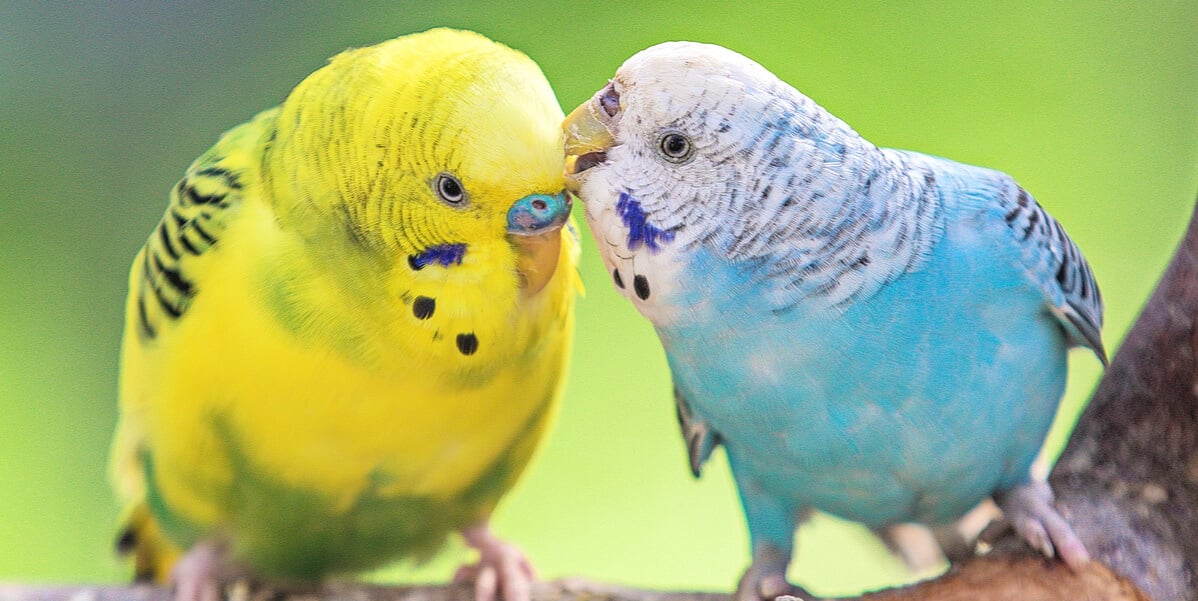
Being so curious and active also makes parakeets difficult to care for. Guardians must devote significant time every day to providing companionship, enrichment, and opportunities for engagement.
Without a constant offering of safe things to shred, explore, climb, and investigate, a parakeet’s boredom quickly turns into stress or self-destructive behavior.
Why to Never Buy a Parakeet for Sale (or Any Other Animal)
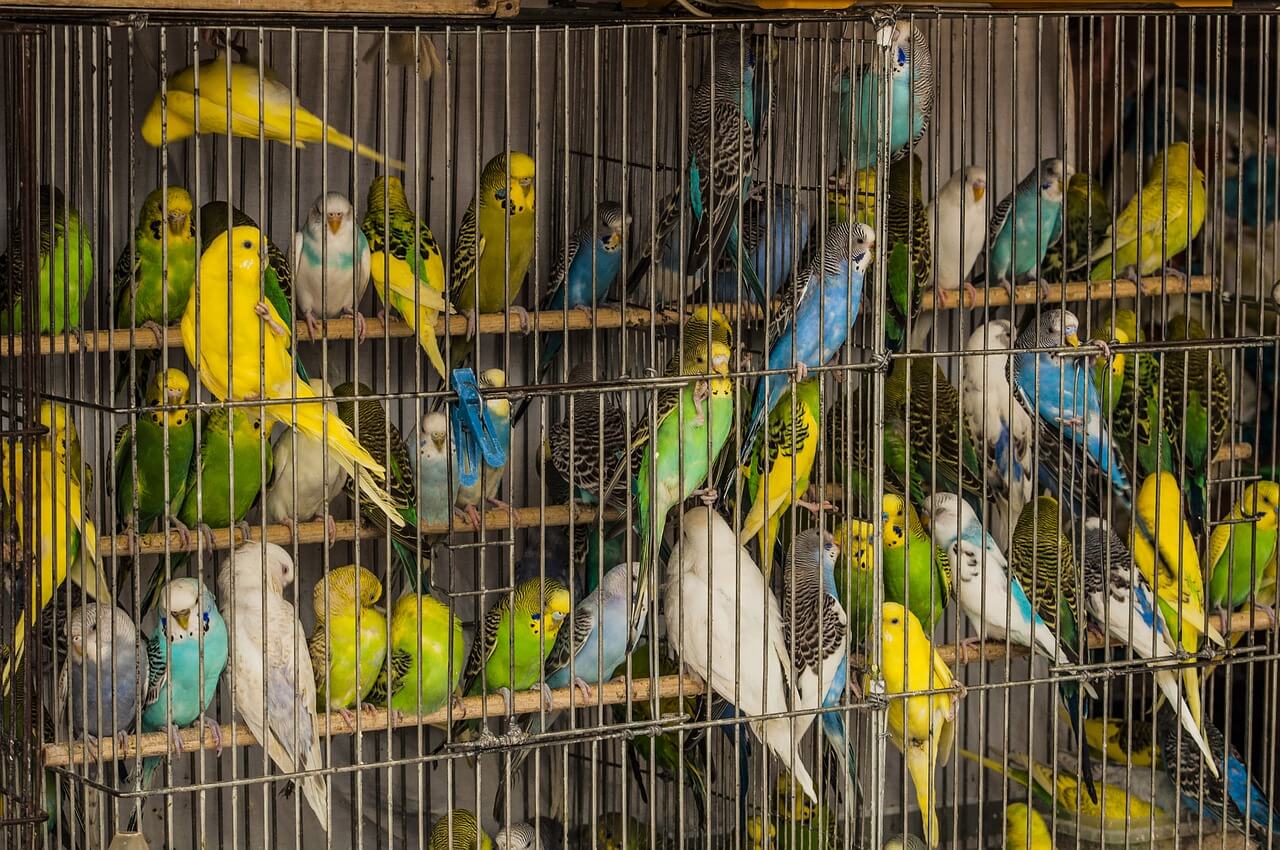
Even if you think you’re prepared to meet a parakeet’s complex needs, there’s another reason never to buy one: Birds sold in the pet trade come from breeding operations that treat them like disposable merchandise, rather than the living, feeling individuals they are.
A PETA investigation revealed that Creekside Birds, an Oklahoma bird-breeding factory in the supply chain of PetSmart, Petco and Petland, kept 10,000 parakeets in deplorable conditions. Workers admitted that cages were never cleaned, and were often caked with feces and littered with the remains of dead chicks. Some babies were so long dead that their tiny bodies had dried out completely. In just 27 days, workers found nearly 1,400 dead birds.
All of this suffering, just so that the surviving birds could be sold at pet stores.
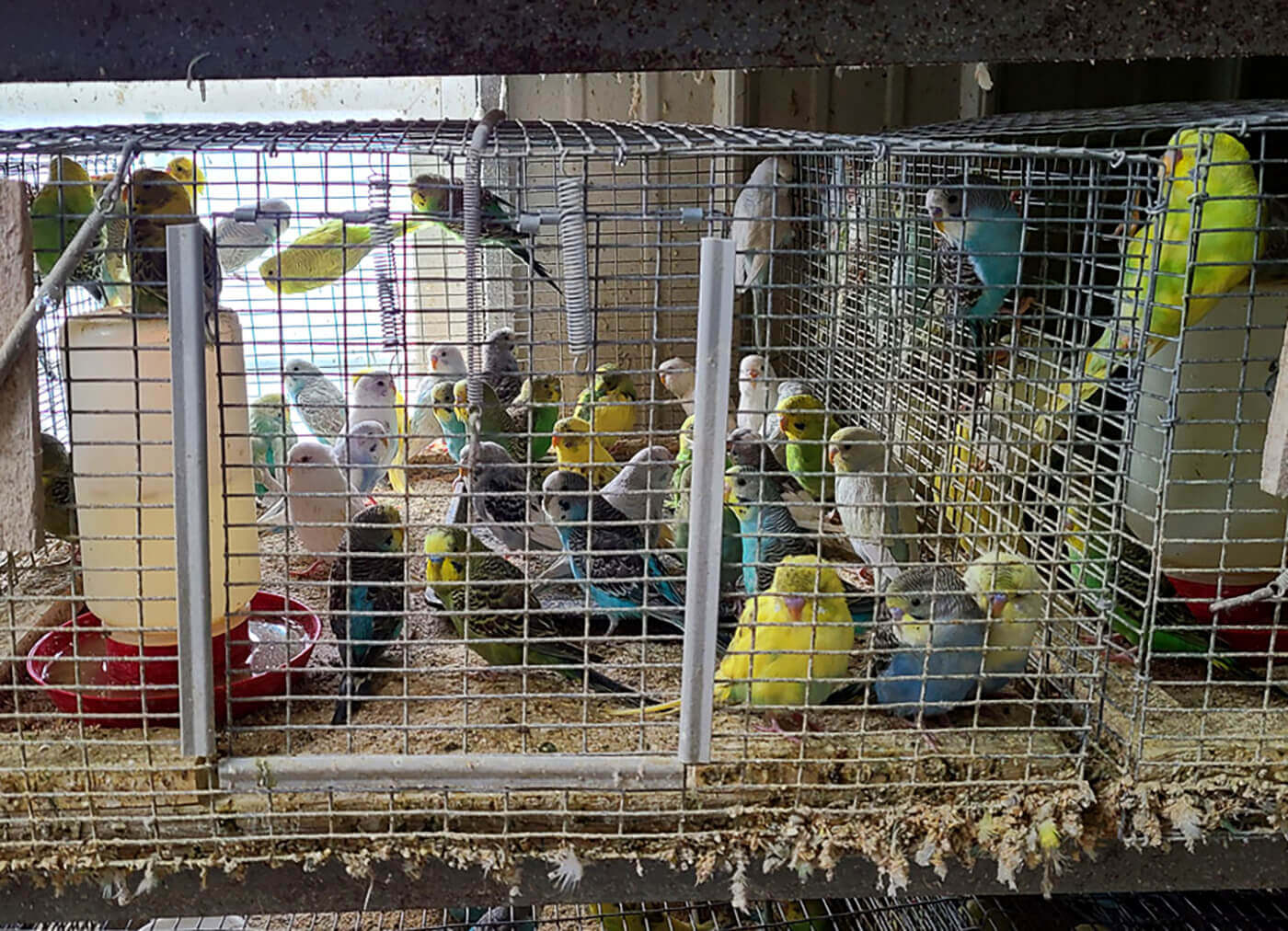
Every bird you buy fuels suffering and abuse like this. Please, never buy a bird or any other animal.
If you already share your home with a bird, do everything you can to honor who they are: engaged, community-minded individuals. Let them fly daily; offer foraging, shredding, and puzzle toys; and offer a wide range of fresh, nutritious foods. Give them room, freedom, and attention—and never confine them to a tiny cage. If appropriate, help them enjoy companionship with another compatible bird.
They depend entirely on you, but captivity can never replace the freedom, stimulation, and social life that birds need.
Text VEG to 73822 to get the latest vegan lifestyle tips, recipes, and urgent action alerts texted right to your phone.
Terms for automated texts/calls from PETA: https://peta.vg/txt. Text STOP to end, HELP for more info. Msg/data rates may apply. U.S. only.


The iconic actor reveals how animals taught her lessons about trust, authenticity, and unconditional love in this rare, personal PETA interview.

If you can see her, you can “bee” her … adopter! Well, sort of. In truth, PETA has been swarmed with inquiries about this marvelous mutt. Buzz on over to [email protected] to submit your application.

A puggle tethered outdoors? Talk about the worst kind of “oopsie.” Thanks to PETA, this adoptable dog traded being ridiculously kept outside for becoming ridiculously companionable.

Mayor Karen Bass touted efforts to protect animals on Skid Row, but public records obtained by PETA tell a different story. Here’s what we said to the administration at a press conference.