
Puppies Injured for Views?! Uganda’s Animal Shelter Scam Epidemic
Scrolling on Instagram or TikTok, you might stumble across a video of a dog in distress. He may have fresh burns, oozing wounds, or be missing limbs. The text on the screen warns that this dog’s condition is getting worse and that the “rescuers” need your donations right away.
But it’s all a scam.
Animal “rescue” accounts on social media use sick and injured dogs and cats to shock caring people into giving them money. Some creators even allegedly deliberately injure or endanger animals to stage dramatic “rescues.”
Why Are So Many ‘Rescues’ Linked to Uganda?
Animal “rescue” scams can occur anywhere, but many of the accounts exposed in recent years have claimed to operate in Uganda. Reports have pointed to areas like the Mityana District, where poverty, high youth unemployment, and outdated animal protection laws have enabled swindlers to profit from animals’ suffering and donors’ kindness.
These schemes can be hard to stop. When social media platforms remove one fraudulent account, the operator can create another, change the name, and post the same disturbing content all over again. Scammers count on shock, sympathy, and urgency to keep money flowing before viewers stop to ask questions.
How Animal ‘Rescue’ Scams Work
Scammers usually post sad and graphic videos and photos on:
- TikTok
- YouTube
The fraudsters collect money through direct donations, online fundraisers, viewer engagement, or all of the above. Some also persuade well-meaning people to create fundraisers on their behalf.
Every view, comment, share, and donation can help these accounts reach more people. Even angry comments can boost engagement and push the videos into more feeds.
But the greatest victims aren’t donors. They’re the animals. A BBC investigation found that some scammers intentionally hurt dogs to deceive people into donating. Some also appear to use the same dogs across multiple “rescue” accounts to maximize views and donations.
Red Flags to Help Identify a Sham ‘Rescue’
Here are some warning signs of cybercriminals posing as animal “rescues” online:
- The same injured animal appears in repeated videos or across multiple accounts.
- The account uses urgent donation pleas but provides little clear or verifiable information.
- The story changes—such as claims of eviction, emergency relocation, food shortages, or urgent surgery—without proof.
- The account posts no meaningful adoption, recovery, or follow-up updates.
- Videos show vague or staged-looking “treatment,” such as unclear injections or no verifiable veterinary records.
- The account asks for money through personal payment apps or vague fundraisers.
- The operators avoid questions about licensing, veterinary care, or where the animals are housed.
If something feels off, don’t donate, comment, share, or otherwise engage with the post.
What Is PETA Doing About Animal Rescue Scams?
After receiving complaints alleging that cybercriminals in Uganda are behind these self-proclaimed “rescues,” PETA is urging Interpol to assist relevant Ugandan agencies in addressing reported animal abuse.
How Can You Help Animals Safely?
Report any account you suspect is fraudulently soliciting donations to the social media platform hosting it. You can also share your concerns with the Ugandan government or contact Interpol.
Your kindness can help animals worldwide—but only if your support reaches legitimate, vetted projects.
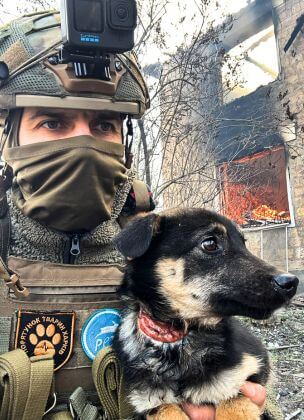
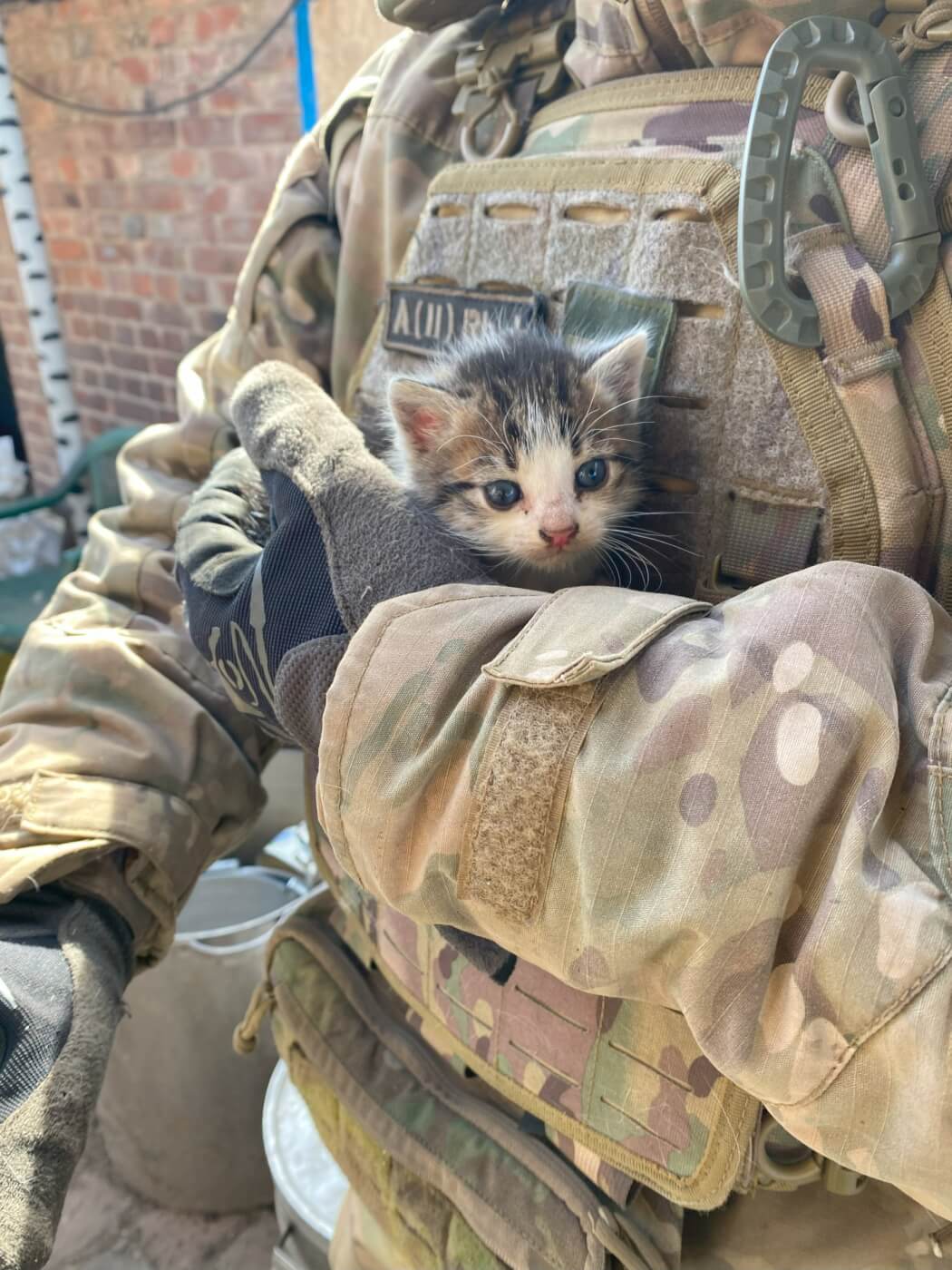
PETA’s Global Compassion Fund supports carefully reviewed teams around the world to carry out urgent rescue work, critical spay/neuter programs, innovative educational campaigns, and other vital projects that protect animals in areas where they are especially vulnerable.
Instead of giving to a suspicious social media “rescue,” support reputable organizations that use donations to help animals, not exploit them.