
Massachusetts’ Anti-Wiretapping Law Protects Animal Abusers—But PETA Is Seeking To Change That
In Massachusetts, documenting animal abuse can be a crime. A state anti-wiretapping law makes it illegal to secretly record conversations, even when those recordings expose illegal and horrific cruelty to animals. That means abusers are shielded, whistleblowers are silenced, and animals suffer in the shadows.
The public has a right to know what really happens on farms, inside slaughterhouses and laboratories, and at other facilities that rely on secrecy—which is why we’re challenging Massachusetts’s unconstitutional statute in a new lawsuit. PETA Foundation lawyers are seeking an exemption to the law so that we can continue conducting vital undercover investigations that protect both animals and consumers, hold perpetrators accountable, and keep the public informed about crimes committed out of sight. The lawsuit is being filed in collaboration with the Animal Activist Legal Defense Project at the University of Denver Sturm College of Law.
What Massachusetts’s Anti-Wiretapping Statute Prevents
Imagine what the world would look like today if some of the most iconic exposés in history had never come to light because of legal restrictions. Pretty bleak, right? PETA’s own undercover investigations have proven why audio evidence is essential. Here are just some examples of what we’ve recorded:
“You gotta beat on the bitch. Make her cry.” A supervisor at a pig farm in Iowa said this as he kicked a young pig in the face, abdomen, and genitals to make her move. PETA’s investigation led to the state’s first-ever convictions for the abuse or neglect of factory-farmed pigs.
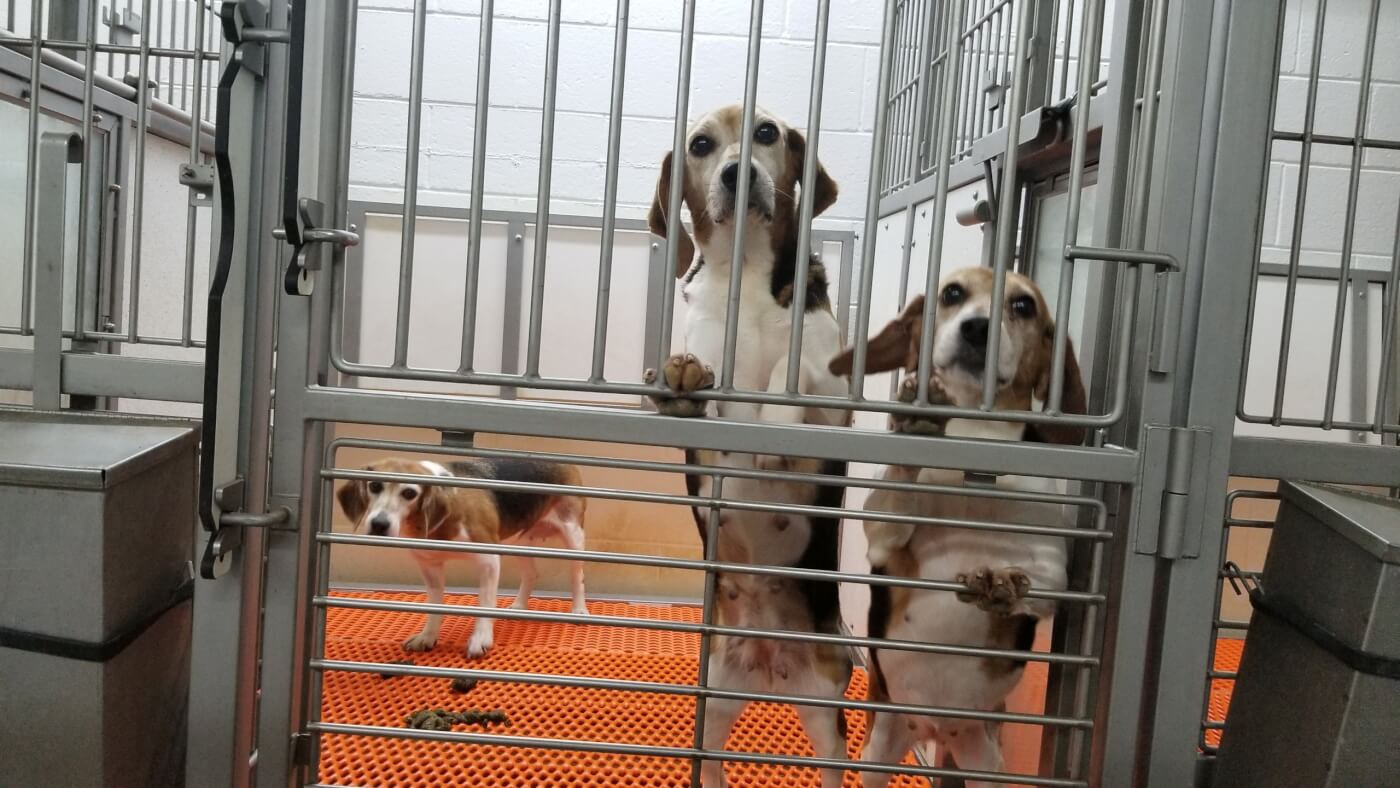
“[I]f too many people know it, it’s gonna get out that’s what we’re doing, and then it’s gonna get bad.” One supervisor admitted this during PETA’s investigation into a dog-breeding facility in Virginia, where workers left dead and rotting puppies in cages with living littermates for several days. The dogs’ constant crying and barking at the facility reached over 117 decibels—louder than a rock concert. The investigation ultimately led to the liberation of nearly 4,000 beagles and the first-ever federal convictions of a supplier of animals for experimentation.
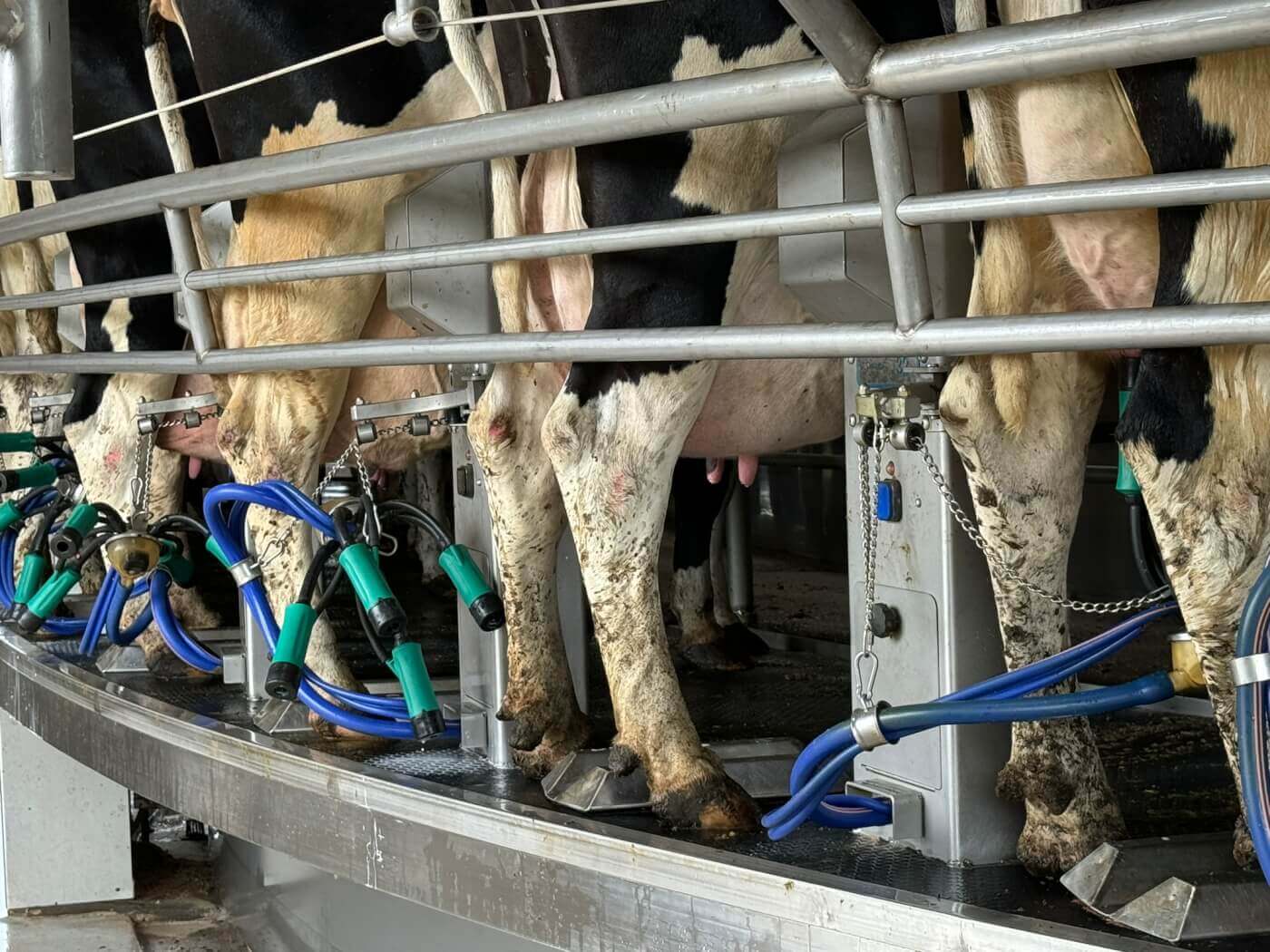
At the largest dairy farm in Connecticut (which once claimed to be “[w]here happy cows make great milk”), employees admitted that they separate mother cows from their babies within 20 minutes of birth and never let the cows go outside. Following the investigation, the company removed several misleading and humane-washing claims from its advertising.
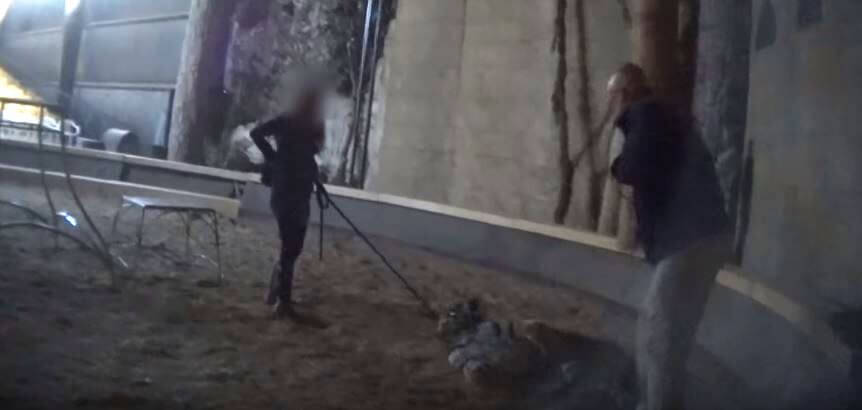
“I like hitting him in the face. And the paws … being on the rock, when you hit him, it’s like a vise. … It stings more. … If … we’d been running a videotape … of the times I struck this animal … PETA would burn this place to the ground.” These were the words of disgraced Hollywood trainer Michael Hackenberger, who PETA caught violently whipping a Siberian tiger named Uno around 20 times in a row during a training session. The young tiger was so traumatized that he involuntarily emptied his anal sacs—a natural fear response in big cats. After PETA’s exposé, Hackenberger was charged with five counts of cruelty to animals, and his seedy roadside zoo soon closed its doors.
Each of these PETA investigations led to arrests, convictions, facility closures, or meaningful changes, none of which would have been possible if laws like Massachusetts’ had prohibited secret recordings.
Why We’re Focusing on Massachusetts
Laws should protect vulnerable individuals, not safeguard violent ones—but that’s exactly what Massachusetts’ anti-wiretapping law does. The law is already under scrutiny: After a domestic assault victim was charged for recording her alleged abuser without consent, Massachusetts State Senator Patrick O’Connor co-sponsored a bill to protect people who record evidence of threats, harassment, or other crimes.
Other states allow exceptions for whistleblowers to expose cruelty even under strict two-party consent laws. Massachusetts needs to do the same.
Investigations Are How Abuse Ends and Accountability Begins
Animal-exploiting industries thrive on laws like Massachusetts’ anti-wiretapping statute, because the last thing they want is the public knowing the truth. Challenging restrictive laws is just one way PETA forces transparency and accountability. Donate to PETA today so we can keep blowing the lid off cruelty to animals wherever it occurs: