
Pigs Aren’t Spare Parts! We Don’t Need ‘Frankenscience’ to Solve the Organ Shortage
The heart that was stolen from a genetically modified pig and then transplanted into David Bennett Sr.—the world’s first human recipient of a pig’s heart—was infected with porcine cytomegalovirus, a viral infection common to pigs that frequently kills unborn piglets. Pre-operation testing never detected it. Two months later, the recipient died.
Even before the COVID-19 pandemic, public health experts—including researchers from the World Health Organization and the Centers for Disease Control and Prevention—were warning about the potential of xenotransplantation to spread zoonotic diseases. To talk about such procedures as though they were anything other than cruel and dangerous—to animals and to humans waiting for organs—perpetuates the myth that xenotransplantation is a safe and practical solution. Simplifying the path to organ donation through presumed consent laws and other initiatives, improving organ quality, investing in animal-free technological advancements, and promoting preventive health measures—such as eating wholesome vegan foods or reducing alcohol intake—will save and improve more lives than these surgeries ever will.
Reports regarding the first heart and kidney transplants from genetically altered pigs into and onto humans should serve as reminders that animal-to-human transplants are unethical, dangerous, and a tremendous waste of resources that could be used to fund research that might actually help humans. The risk of transmitting unknown viruses during such procedures is real and, in the time of a pandemic, should be enough to end these studies forever. Animals aren’t toolsheds to be raided—they’re complex, intelligent individuals. Pigs, for example, communicate using specific oinks, grunts, or squeals when trying to woo a mate or express hunger—and mother pigs sing to their babies while nursing, just as many human moms do. The only right thing to do—and the healthiest option for humans—is to leave pigs and other living, feeling beings alone and seek cures using modern science.
Humans have no right to steal other sentient beings’ organs for our own benefit. Nor do we need to.
What Is Xenotransplantation? Just How Bad Is It for Humans and Other Animals?
Xenotransplantation—the Frankenscience of transplanting organs from one species to another—is nothing more than a vanity project that seeks to grab sensational headlines.
News stories about the latest pig kidney xenotransplantation stunt often leave readers in the dark about the truth behind this so-called “transplant” procedure.
Experimenters used a brain-dead patient on a ventilator, not a person with kidney disease. And the pig’s kidney was attached via blood vessels to the outside of the patient’s body, where it stayed for only 54 hours.
Pigs and other animals used for xenotransplantation are genetically engineered and subjected to a lifetime of confinement and almost unimaginably painful procedures before being killed, all without their consent.
Even before the COVID-19 pandemic, public health experts—including a Centers for Disease Control and Prevention researcher and researchers with the World Health Organization—raised concerns about the potential of xenotransplantation to spread zoonotic and other infectious pathogens. Their warning? These transplants are dangerous to humans, as pigs carry viruses and other infectious pathogens that could potentially be introduced into human populations.
In addressing the issue of too few donated organs to match human needs, some experts have also noted the high public health risks of using organs from other species compared to the zero public health risk associated with making simple policy changes aimed at increasing organ donations.
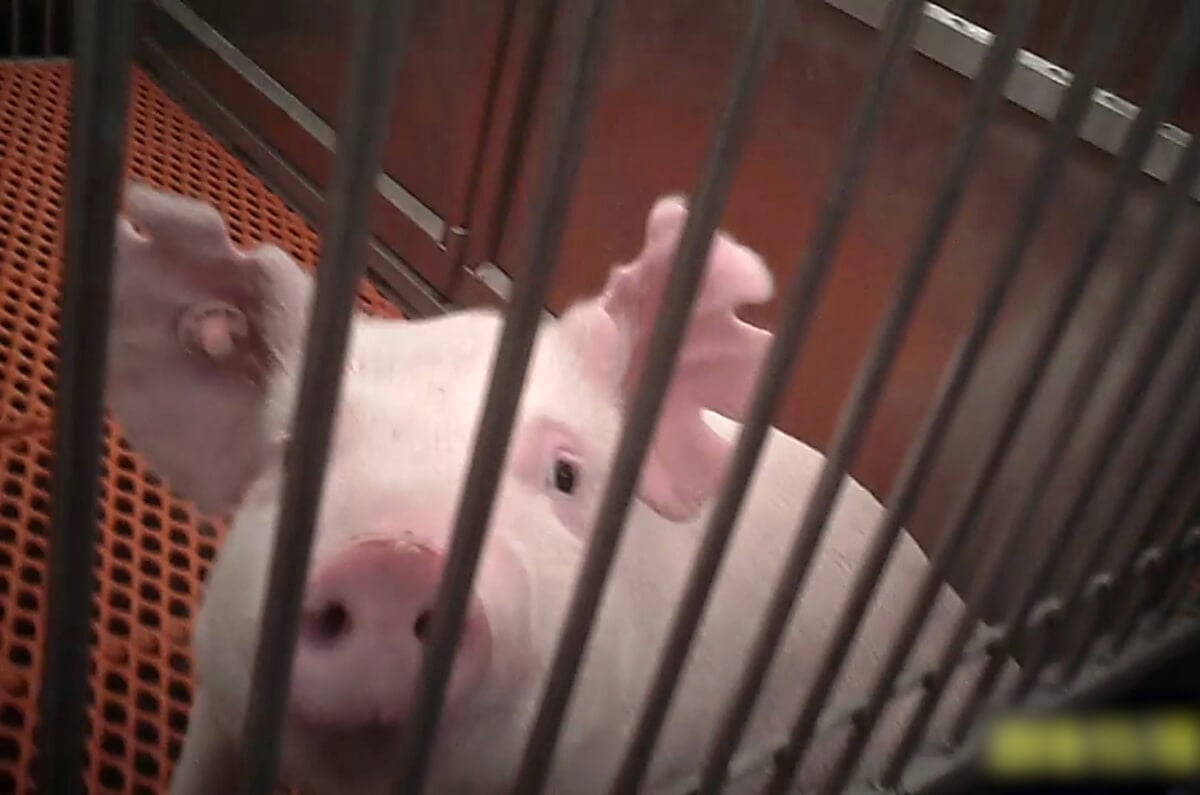
From an ethical perspective, PETA has always been opposed to the use of animals as warehouses for spare parts.
But these concerns were brought into sharp relief after a whistleblower from the University of Alabama–Birmingham shared troubling reports that baboons were subjected to agonizing kidney and heart transplants using pigs’ organs.
Another whistleblower leaked protocols to PETA from Columbia University, documenting that baboons and macaques were caged alone, subjected to multiple major survival surgeries, numerous biopsies, and repeated blood draws.
In some experiments, the animals at Columbia were kept alive for up to 360 days following transplantation and then finally killed. The experimenters listed these potential side effects: severe gastrointestinal symptoms, severe diarrhea, abdominal pain, nausea, vomiting, anemia, weight loss, untreatable viral disease, bacteremia, severe infection, unrelieved pain, uncontrollable bleeding, and maculopapular rash.
In another instance, experimenters allegedly conducted crude and cruel “head transplant” experiments on mice and monkeys.
Ultimately, these and all other animal-to-human organ transplants have failed.
Human organs are still the best hope, and presumed consent laws would make enough available to help people in need of a transplant.