PETA Scientists Help Breathe New Life into Non-Animal Toxicity Testing
Another win for animals in the world of toxicology! Today, PETA scientists and their collaborators published new data on a state-of-the-art, non-animal inhalation test that uses human lung cells instead of animals.
The findings are already making an impact, as the U.S. Environmental Protection Agency (EPA) recently used data from this publication to develop a new approach to assessing certain chemicals’ potential to cause lung irritation and considered it more human-relevant than tests on animals.
Before pharmaceuticals, pesticides, and other products are bought and sold, regulatory agencies require testing to assess their potential toxicity to humans and the environment. Millions of animals are used in these tests each year, many of which are based on methods developed decades ago.
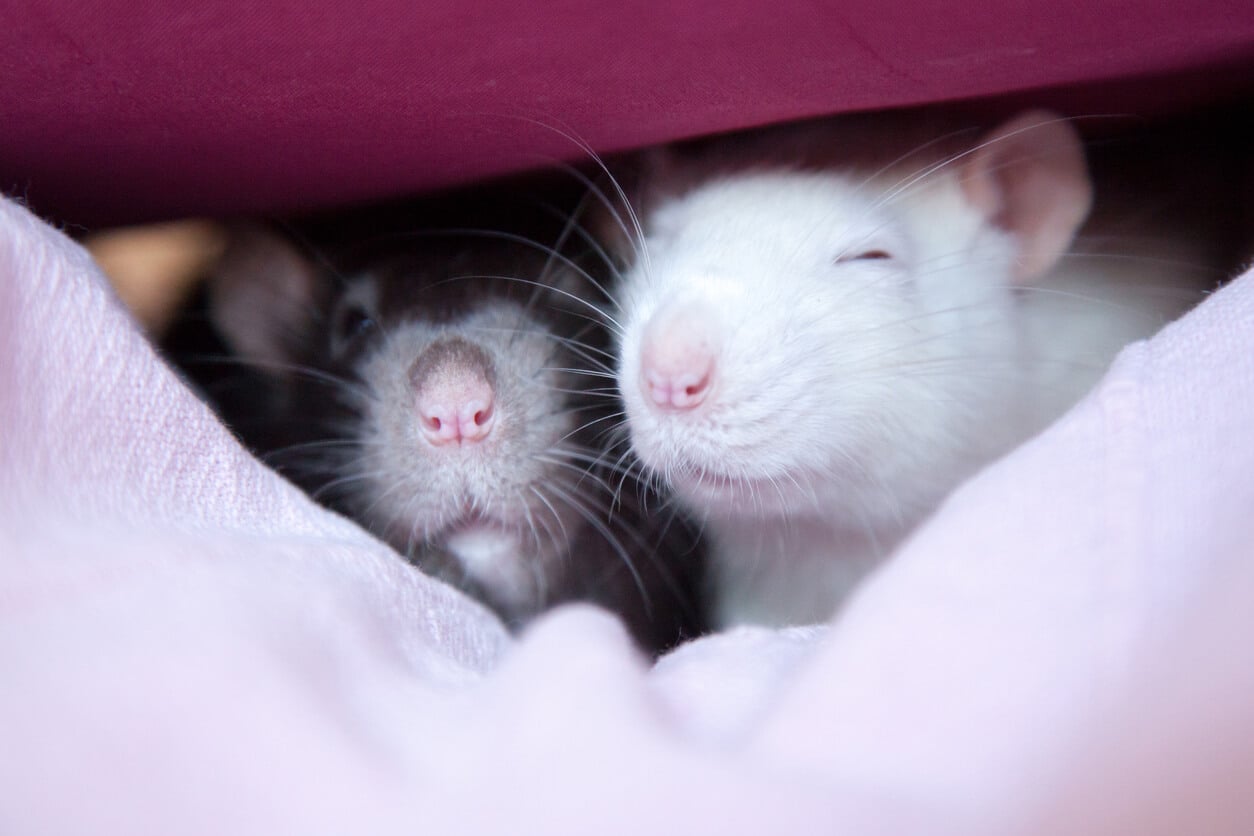
In inhalation tests, animals—most commonly rats—are restrained in narrow tubes and forced to breathe in chemicals before being killed. These tests fail to reliably predict chemical effects in humans because human lungs are biologically different from rat lungs. Because of this, scientists are clamoring for reliable chemical testing methods that better reflect human experiences.
Over years of persistent effort, PETA scientists and their collaborators have advanced a non-animal method for testing how chemicals affect human lungs. One that’s based on human biology. The method uses a laboratory-grown model made from human cells that mimics the lining of the human upper airway. It contains mucus-producing cells and tiny hair-like structures called cilia that beat rhythmically, just as they do in the human body.
Using these sophisticated tissues and computer modeling, researchers tested two chemicals commonly found in products such as soaps, shampoos, and cleaners (known as surfactants). The method successfully identified biological changes associated with irritation of respiratory tissue in human airways.
This innovative research laid the groundwork for an ambitious international, multi-laboratory study. Funded and coordinated by PETA Science Consortium International e.V., laboratories in the United States, the United Kingdom, Switzerland, and India received laboratory-grown human airway tissues and conducted the same tests independently.
Now with worldwide support, testing two chemicals in one laboratory ballooned into testing nearly twenty chemicals in multiple laboratories. The results demonstrated that the tissues could be shipped across the globe and still produce reliable, reproducible results. Building confidence like this is important because companies will not use the method, and regulatory agencies will not accept it, unless it works consistently, regardless of where it is performed.
In August, the method was accepted as a project proposal for consideration within the Organisation for Economic Co-operation and Development’s (OECD) Test Guideline Programme. This organization of 38 member countries sets worldwide standards for chemical testing. While additional testing, analyses, and documentation are still required, this progress signals promise for global acceptance and the potential to reduce animal testing worldwide. Over the coming years, PETA scientists and other experts will work to finalize a universally agreed-upon test protocol. Stay tuned for more updates!
Give Animals Room to Breathe by Supporting Compassionate Science
While science advocates celebrate this progress in non-animal methods, the U.S. Food and Drug Administration (FDA) continues to delay progress. The FDA still requires toothpaste companies to test products on animals. Each test claims the lives of approximately 200 rats, even though more human-relevant methods that don’t use animals already exist. Urge the FDA to support the use of reliable, non-animal approaches for assessing toothpaste.