Exclusive: Hollywood Legend Kim Novak Shares Stories of Remarkable Animal Friendships
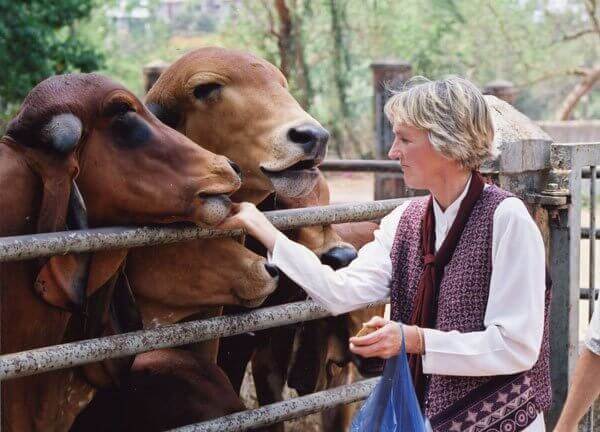
In the 1950s and ’60s, Kim Novak was one of the brightest stars in Hollywood, with iconic roles in Vertigo, Pal Joey, Bell, Book and Candle, and other enduring classics. But at the height of her fame, Novak left it all behind, trading leading men like James Stewart and Frank Sinatra for a new cast of costars, from a perfume-hating goat to a bird she helped nurse back to health. In a rare and deeply personal interview with PETA, she opens up as never before about life in the spotlight and the unconditional love of animals that helped her find comfort and peace.
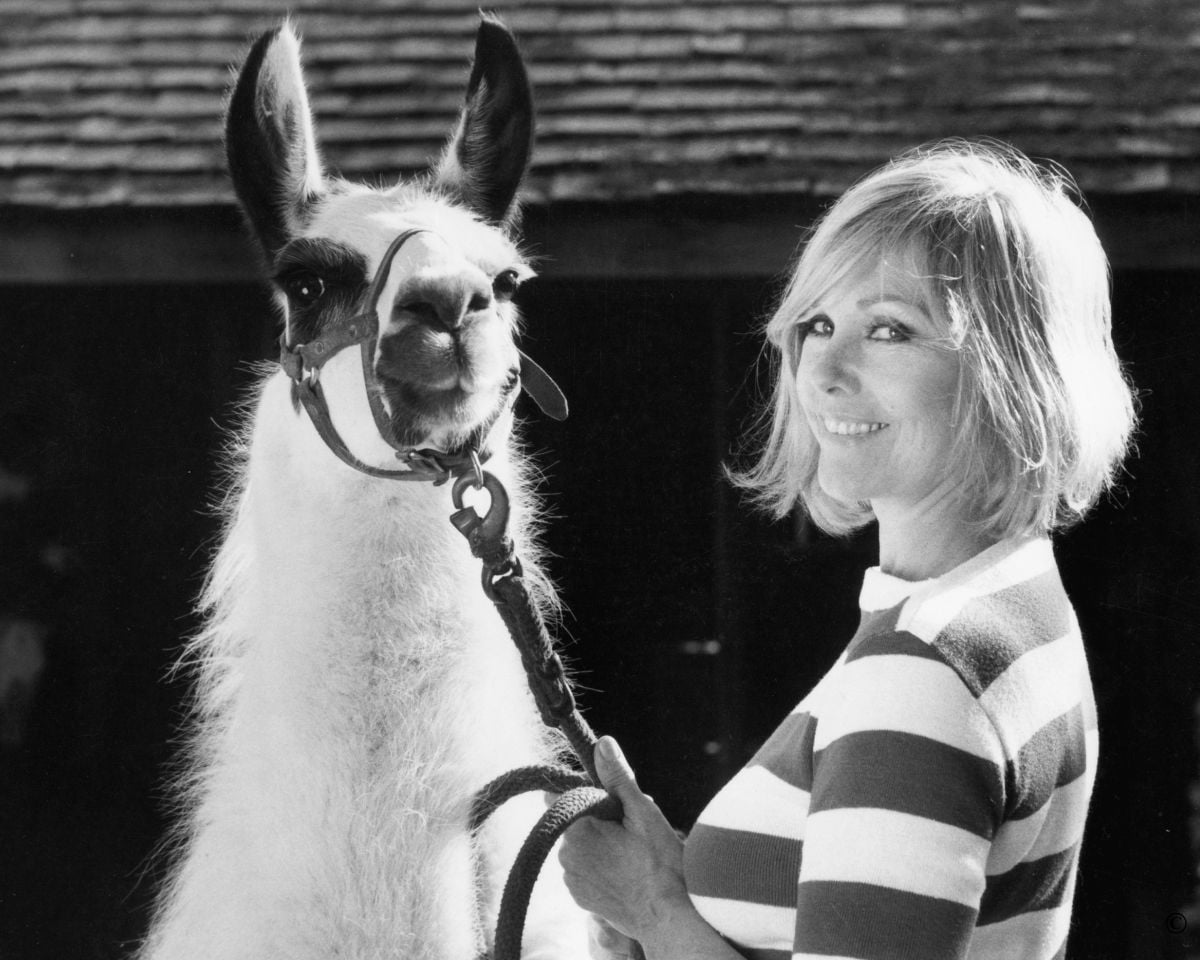
PETA: What are some things that animals have taught you through the years?
Kim Novak: Leaving Hollywood, I moved to an environment where I could have animals around me and learn who I really was. When you play different roles, and you become different characters, you start to lose yourself in them. So when I moved away, it was an important thing for me to find out what my value was [and] what I believed in.
The best way to know was to get a response from animals, because they’re not looking at how much money you make or where you live. They’re looking for honesty. When they learned to trust me is when I learned to trust [myself] the most.
And so when I was able to win over that trust and respect, it gave me a sense of value. The response from animals is so genuine, whether it’s fear or pride or love or all of those things, but to be able to win over the love of [animals] meant everything and helped me to love myself.
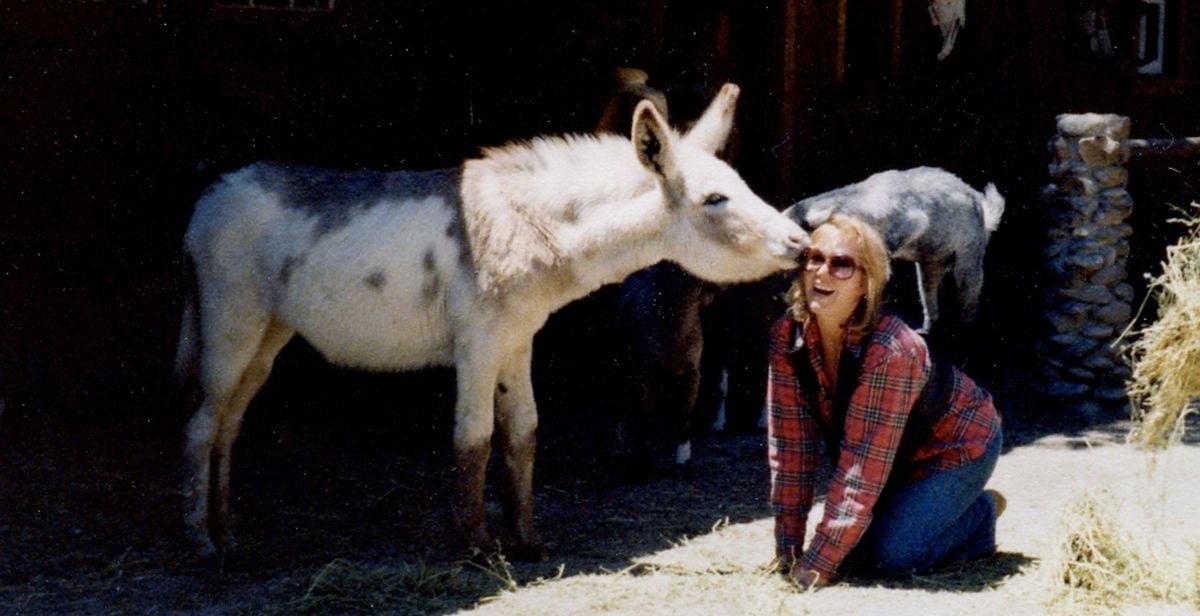
In Hollywood, you put on different scents—it’s part of getting dressed. Well, if ever I did do that, my goat would stand up on his hind legs and come at me with his horns. [He] was like, “You’re not the person I know. You’re not Kim.” He totally thought I was impersonating me, because it looked like me, but it didn’t smell like me. That was [another] major lesson for me. So I gave [perfume] up.
PETA: What is one of your fondest memories with an animal?
Kim Novak: I took my horse to New Mexico for his birthday [to] run free on the sand. In order to get to the desert, we had to cross the freeway. It was early in the morning, and there was a snake, and he was still alive, but I could see he was injured. His jaw looked out of whack. Once [veterinarians] got his jaw fixed, I took him home with me.
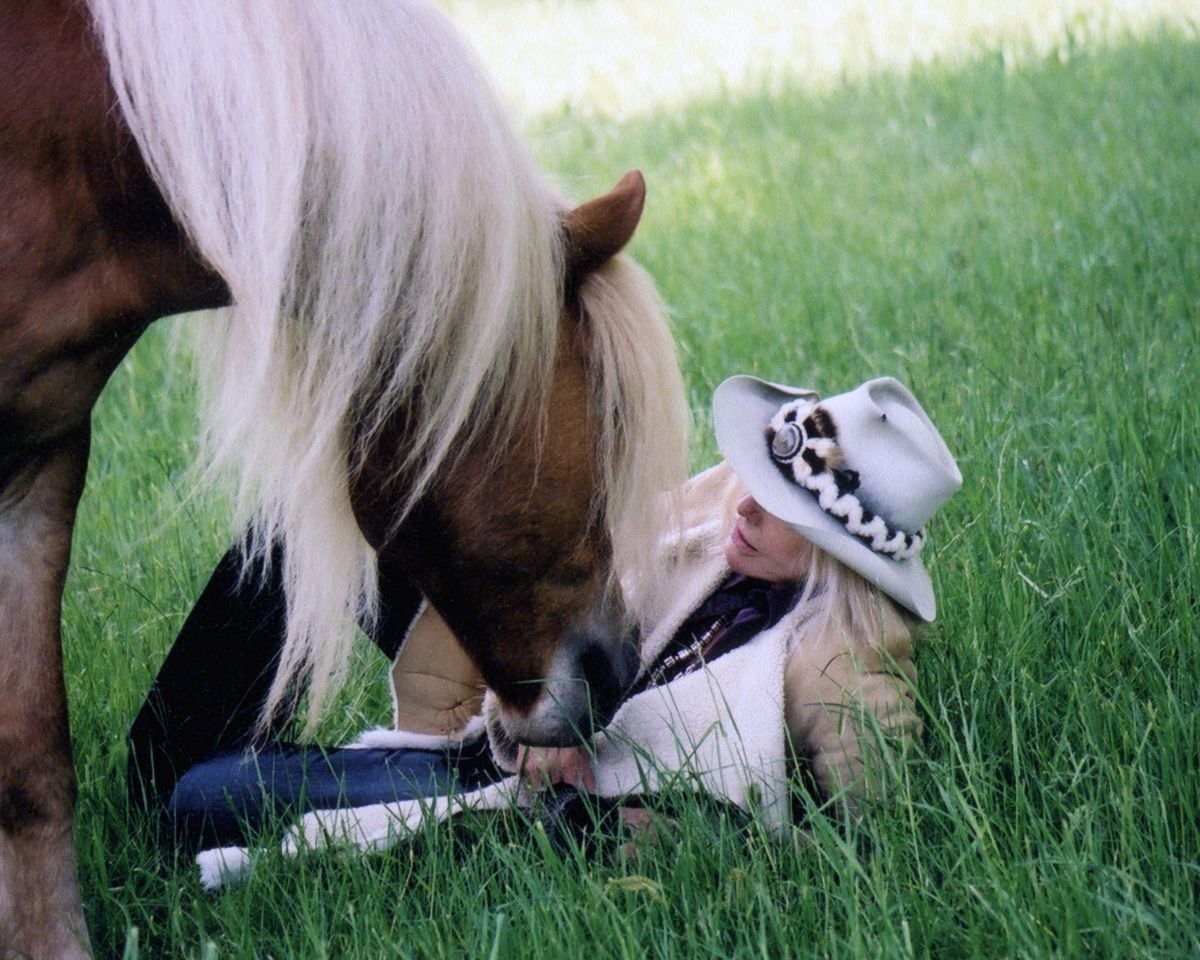
The day before I left, we went back to the desert and I turned him loose there. At first, he shimmered off into the brush. And then he turned around and came back and climbed up my horse’s leg. It was unbelievable—but we had already made a connection. Every night we would play cards, and the little snake would go from my shoulder over to the other, [making his way] around the four of us. I named him Sincerely. He was one of my best friends.
I also had a bird who I fell in love with [a Steller’s jay named Shadow]. He had fallen from his nest, and my husband, who was a veterinarian, stitched the wing. And I thought, “He’ll go back,” but he didn’t want to leave. He stayed!
When we’d have to burn brush, he saw me picking up sticks and putting them on a burn pile, so he’d pick up little sticks and drop them in the burn pile. We shared so much. My husband would make pancakes on Sunday, and he’d always make little ones for Shadow, [who] would pick them up and bring them to all of his friends. I kept the window open always so he could fly in or out. He was free.
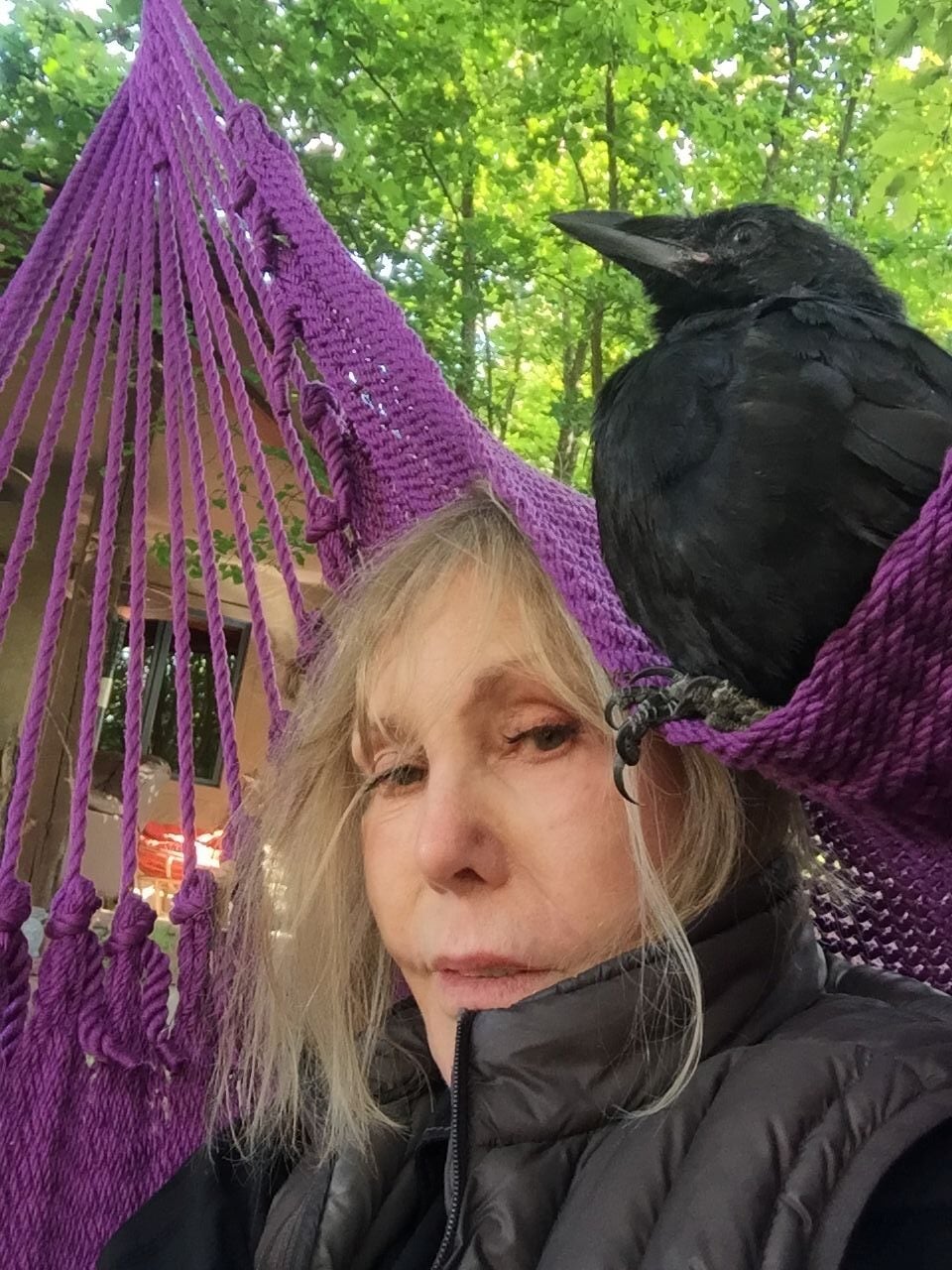
At Christmas, I’d wrap presents, and I’d wrap some of [Shadow’s] favorite treats. When I had to go away to make a movie, he was so upset, [he would] pull out the little stuff I put in the suitcase. And then he would get in front of the tires of the car. [He] was like, “You can’t leave.”
PETA: What do you wish people understood better about animals?
Kim Novak: That there is so much to learn from them. I wish people would give them more respect and relate to them more. You have to listen to them and try to interpret because everything in life is communication. Where we get into trouble and get into wars is because we’re not understanding [each other]. We need to pay attention to the needs of others—it would make all the difference in the world.
It’s just always been so funny to me that people will say that whole, “Well, they’re not humans, and humans are superior,” and I’m like, “In what way? I mean, we can’t smell like they smell. We can’t fly like they fly.” They’re so remarkable, and it’s a gift to recognize that.
PETA: That’s beautiful. Thank you for chatting with me today. Is there anything you want to add?
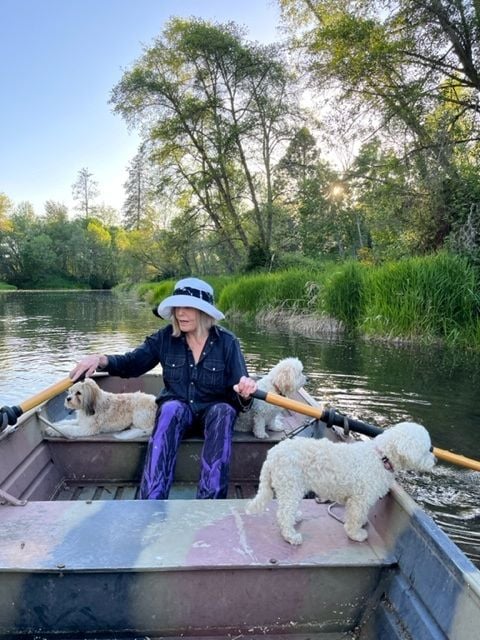
Kim Novak: It’s a joy for me to talk about animals because that’s my love. To me, sharing the stories of the things I’ve learned and experienced with so many different animals is really [valuable]. People are always trying to teach animals, especially dogs. Well, I want to listen.
Kim Novak’s Lasting Lesson: Listen to Animals
The animals who shaped Novak’s life weren’t props, possessions, or sources of entertainment. They were individuals who taught her lessons about trust, authenticity, and kindness. Her stories serve as a reminder that our fellow animals have unique personalities, needs, and ways of communicating. As Novak learned, when we slow down and listen, animals can help us see the world, and ourselves, more clearly.
If her story inspires you, the most powerful way to help animals is to go vegan. When you go vegan, you can spare nearly 200 animals every year and help build a better world for everyone. Ready to get started? Explore PETA’s How to Go Vegan hub for simple tips, recipes, and practical guidance that make helping animals easier than ever: