How Many Have to Die for a Handbag? What a Crocodile Egg Hunter’s Death Reveals About the Wild-Animal Skins Industry
A man is dead. Farms are butchering crocodiles. And for what? To feed Hermès’ bloodthirsty demand for handbags made from animals’ skin. Between bombshell investigations into crocodile factory farms and a new high-profile trial focusing on the death of crocodile egg hunter Chris “Willow” Wilson, one thing is clear: The animal skins trade is deadly for everyone involved.
An Industry Built on Death
Wilson was killed in a helicopter incident while stealing crocodile eggs in the Northern Territory of Australia—a mission fueled by companies like Hermès, which use the animals’ skin for bags, belts, and watchbands. His death—and the trial now unfolding three years later—lays bare a chilling truth: The wild-animal skins industry doesn’t value anyone’s life. It’s built on exploitation, suffering, and slaughter.
Greed and Cruelty All the Way to the Top: How Hermès Profits off Misery
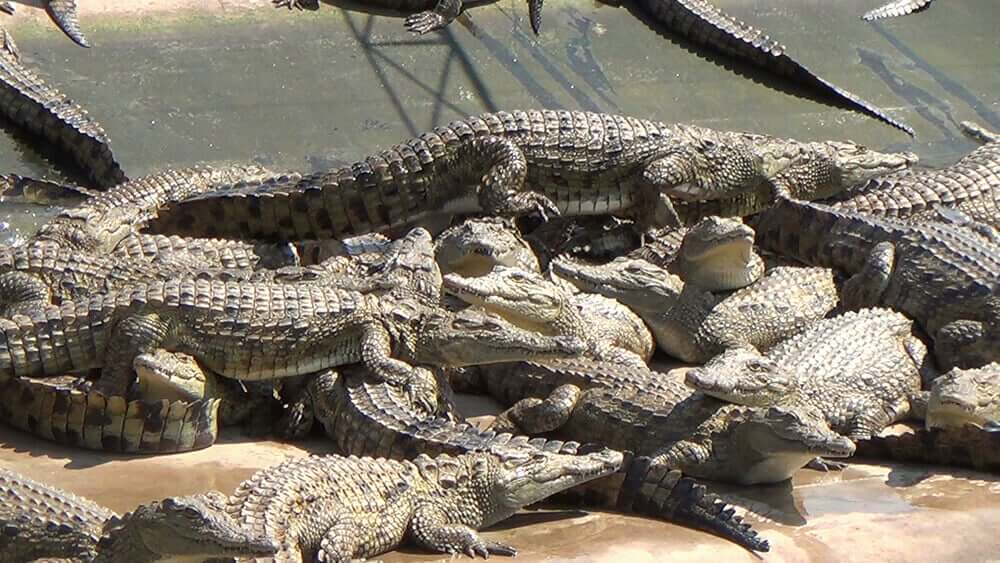
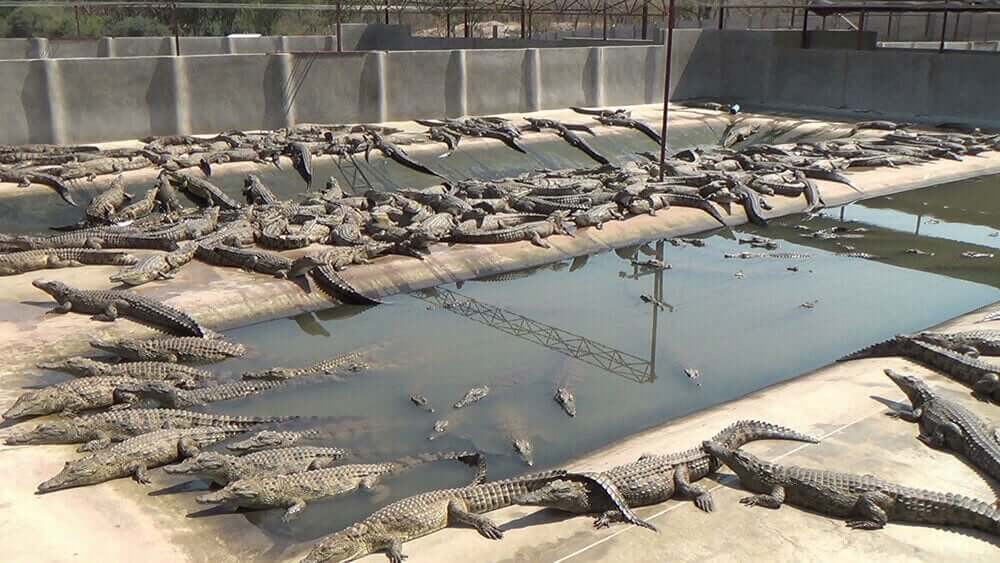
Australia is home to one of the largest crocodile farming industries in the world—and Hermès is a major player. The company owns and operates PRI Farming, one of the biggest crocodile-skin suppliers in the country. These facilities confine as many as 200,000 crocodiles—more than exist in nature—often in filthy, cramped pits or dark sheds with urine- and feces-polluted water.
In 2021, video footage by Kindness Project revealed animals suffering in cramped cages or tiny concrete pits at Australian crocodile farms that supply skins to Hermès. The footage showed workers electrocuting, stabbing, shooting, and even mutilating crocodiles with screwdrivers—sometimes while their bodies convulsed.
PETA entities have exposed cruelty on reptile skin farms all over the world, and the story is always the same: filth, extreme confinement, and a violent death. At one of the world’s largest exporters of Nile crocodile skins in Zimbabwe, PETA’s investigators saw tens of thousands of crocodiles trapped in concrete pits from birth to slaughter.
Many belly skins are sent to an Hermès-owned tannery where they’re covered with chemicals to stop their skin from rotting to make “luxury” items such as some “Birkin” and “Kelly” handbags, which can cost $50,000 or more. It takes three or four crocodiles to make just one handbag.
Hermès Is Planning an Even Deadlier Operation: Australia’s Largest Crocodile Farm
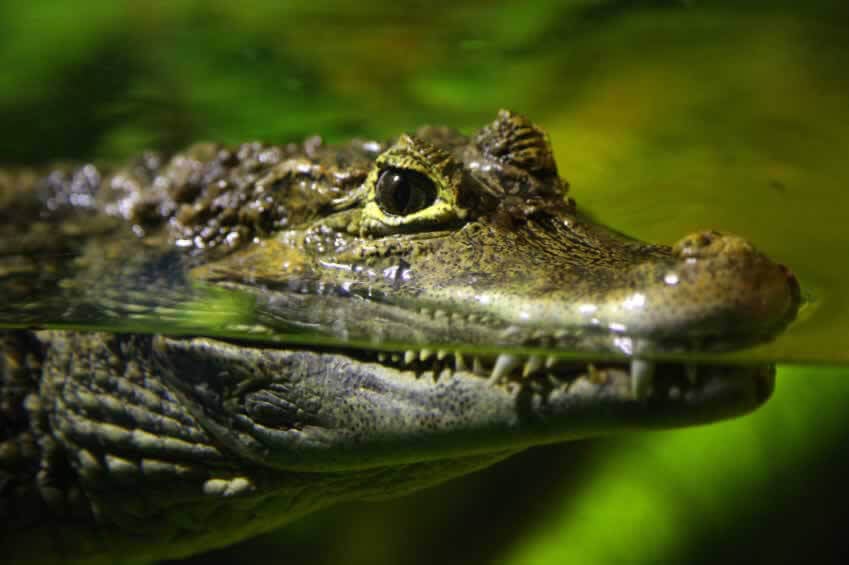
There’s nothing stylish about cramming sensitive animals into pits, hacking them apart, and leaving them to die a slow, painful death. In nature, crocodiles dig tunnels, play, protect their young, and hunt using tools. Crocodiles are feeling individuals who experience pain and fear—they do not want to be slaughtered to become accessories.
Driven by greed, fashion companies like Hermès continue to expand crocodile factory-farming operations in Australia. Its latest proposed development would imprison up to 50,000 saltwater crocodiles.
This regressive move comes as the fashion world turns away from wild-animal skins—thanks in no small part to PETA’s hard-hitting investigations and unrelenting pressure. Burberry, Calvin Klein, Chanel, HUGO BOSS, Tommy Hilfiger, and Victoria Beckham have all banned crocodile and other wild-animal skins from their collections.
Hermès should invest in humane, sustainable, and future-proof projects, not build new animal factory prisons.
Join us in urging Hermès to shed animal skins now: