Animal Abuse on the Havasupai Trail in the Grand Canyon
Animal abuse on the Havasupai Trail in the Grand Canyon is rampant. For years, visitors have been reporting the beating and suffering of animals forced to haul heavy items along the grueling 20-mile hike. Hikers have reported horses collapsing and dying, animals suffering with open wounds, and handlers whipping and yelling at horses and mules.
Handlers pack mules and horses with heavy loads of tourist gear and force them to carry it up and down steep, rocky trails in all weather extremes. When these animals aren’t toiling on the trail, visitors see them tied up outside with no shade from the blazing sun and some without even access to water.
Havasupai Trail Animal Abuse Is Systemic
PETA eyewitness footage shows that this is systemic abuse. The eyewitnesses saw horses and mules with sores and scars, while others limped or had overgrown hooves. Some were underweight, including a young horse whose ribs were visible. Many were confined to pens littered with trash, while others were tethered without any shelter.
Many animals were out of breath from the grueling forced work in the canyon. One wrangler even admitted that animals sometimes fall off the trail.
Visitors Report Cruelty to Animals in Havasupai
PETA isn’t the only one documenting the miserable conditions for horses and mules used on the Havasupai Trail. Concerned visitors have repeatedly reported seeing animals who appeared injured, underfed, dehydrated, and exhausted to SAVE Havasupai Horses and PETA.
One visitor described seeing “horses tied to posts in the ground with very short ropes” and a mare with a foal beside her “tied up so tight that her head could not move.”
The same visitor later encountered a horse whose “lips were actively bleeding” and whose body was covered with scars. “He had big sunken-in holes above both eyes from the lack of food,” the visitor wrote. “I could see every rib and hip bones.”
Another visitor reported seeing groups of mules tightly tethered together in extreme heat while carrying heavy packs. According to the account, the animals had raw wounds where leather straps rubbed against their skin, and the visitor never saw water provided for them despite temperatures reaching 110° F.
That same visitor described seeing a horse dead along the trail. The following morning, the horse’s body reportedly remained in the same spot where they had fallen.
Another visitor found a horse who had collapsed on the Havasupai Trail and was abandoned to suffer for hours. After tribal authorities were contacted, they eventually arrived and shot the horse.
Customer reviews on TripAdvisor tell a similar story. Here’s what visitors have shared:
“As much as I wanted to love it, witnessing what the poor pack animals were going through was awful, and all I could think of was the suffering and how I was supporting it by being there. It’s something you can’t forget and until something is done about this it’s truly not worth it.” —HeidiKS93
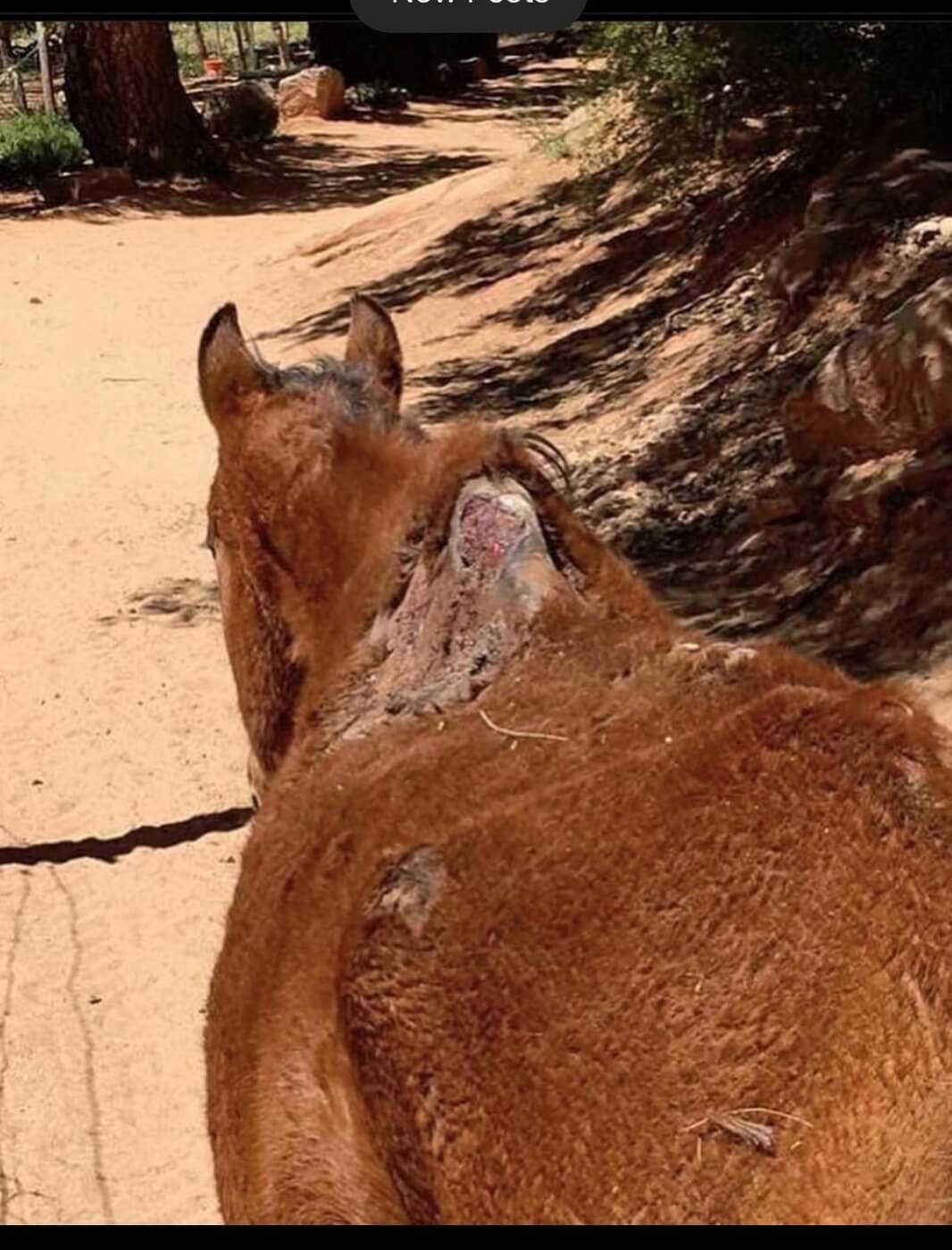
“When I went to get back up I heard the trail leader yelling curse words (“effing ahole!”) and then saw a horse collapsed and twitching on the ground. I then had to walk around the horse while other horses were still tied to him to continue to the hilltop. The horse was no longer moving—I watched until I got to the top of the trail … They look exhausted, overworked and overheated. I’m horrified and disturbed on what I witnessed and am truly in shock. My heart aches for these poor animals.” —Kris
“When they reached the hill top there was no food or water available. Several of the mules would go to the water trough after reaching the hilltop to find it empty. You are not allowed to take photos in the village for a reason. Most of the mules are tied up on a short rope to a stake with no ability to move more than a 6 ft. radius. Please if you are going to do this hike DO NOT USE THE MULES.” —Mikayla S
“Pack animals are in horrible shape.”
Havasupai visitor reviews call out the wounds and underweight appearance of the horses and mules:
“Pack animals are in horrible shape. Many have wounds, starved. They are forced to walk, tied to each other without even being able to look down where they’re going. Many have permanent marks from harnesses on their faces and backs. On the way back at 3am we witnessed a horse being kicked by 5 people in the village … they were trying to get it up. During this time the dog came close and was kicked with force in the stomach by one of them.” —ivans
“The animals are skinny, go without proper water and food all for your enjoyment. I didn’t know this until I was already hiking in the canyon. And this behavior has been going on for years, it’s absolutely horrible.” —Larissa023
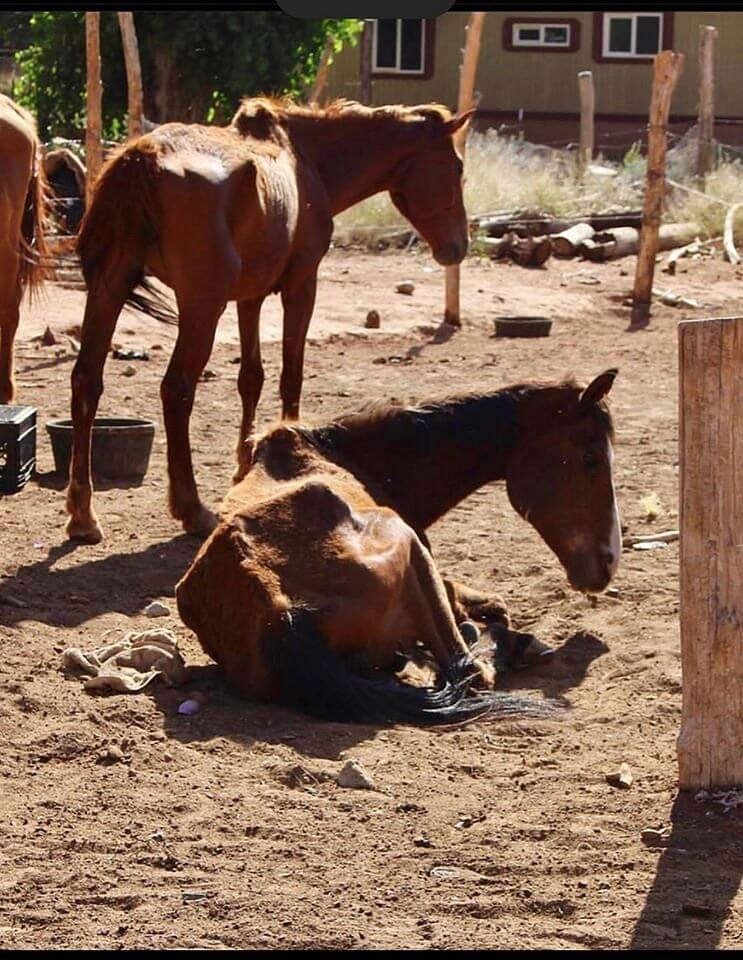
“Pack animals are in horrible shape. Many have wounds, starved. They are forced to walk, tied to each other without even being able to look down where they’re going. Many have permanent marks from harnesses on their faces and backs. On the way back at 3am we witnessed a horse being kicked by 5 people in the village … they were trying to get it up. During this time the dog came close and was kicked with force in the stomach by one of them.” —ivans
“The animals are skinny, go without proper water and food all for your enjoyment. I didn’t know this until I was already hiking in the canyon. And this behavior has been going on for years, it’s absolutely horrible.” —Larissa023
“I witnessed horrific cruelty and neglect of these Havasupai horses … tied while overloaded with supplies and gear for several hours with no shelter or shade from the intense Arizona sun, no water, bloody burns and untreated wounds from abrasive ropes and pack lines.” —Kim C.
How to Help Horses and Mules on the Havasupai Trail in the Grand Canyon
Horses and mules are curious, social animals who value their lives and feel pain, fear, and distress. They form close bonds with family members and companions, remember kindness and mistreatment, and seek comfort when they’re suffering. The horses and mules used on the Havasupai Trail aren’t tools or tourist attractions—they are living, feeling individuals who deserve compassion and protection.
Animal abuse on the Havasupai Trail will continue as long as people pack animals with gear and force them to carry it. Please help horses and mules by carrying your own gear when traveling.