EPA Adoption Program for Animals Used in Tests Highlights the Need for Non-Animal Testing
The U.S. Environmental Protection Agency (EPA) is reportedly shutting down laboratories and running an adoption program for the rats and fish who were used in research. With an estimated 20,000 rats, mice, rabbits, fish, and other animals used in research in EPA laboratories, this means that, as EPA plans for restructuring and closing laboratories, some animals will get their first chance to live their lives in homes.
For decades, the EPA has acknowledged the need to move away from animal testing towards more reliable and human-relevant tests. PETA scientists have worked alongside the EPA and others for years to replace tests on animals with better, non-animal testing approaches.
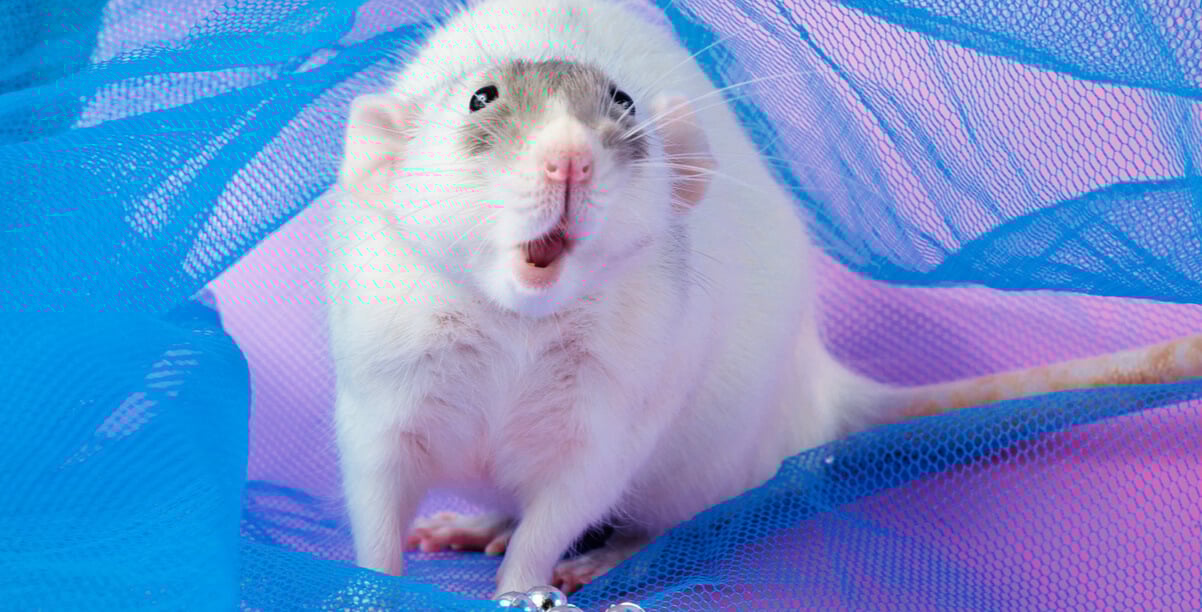
PETA scientists work every day towards a future where tests on animals are replaced with scientifically sound, animal-free testing. We are pleased to see animals going to homes instead of being used in testing, and PETA has offered to adopt 150 rats from the EPA. But this needs to be only the first step.
Adopting Animal-Free Research Methods
To permanently end its reliance on animal testing, the EPA must dedicate time and funding to advancing non-animal testing approaches. This includes clarifying its acceptance of existing non-animal test methods to the regulated industry, ensuring staff are trained on how to use information from non-animal tests, and putting in place efficient processes to support the evaluation and acceptance of new, non-animal tests as they are developed.
We urge the EPA to adopt a strategic, science-based plan that prioritizes human-relevant, non-animal testing methods. By doing so, the agency can protect human health, the environment, and countless more animals.
Let’s celebrate the animals who are getting a chance at safe homes with loving guardians while working together to advance the non-animal science that will ensure animals don’t end up in laboratories again.
What You Can Do
Can’t adopt an animal today? There are many ways to save animals, including buying only from companies that don’t test their products on animals: