


Deadly viruses, devastating forest fires, accelerating climate change: Eating meat isn’t just killing animals—it’s also threatening human health.
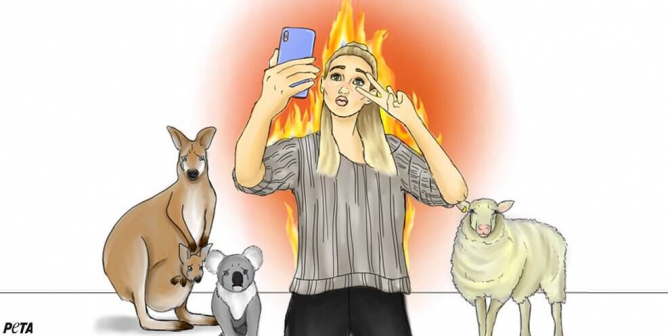
The connection between wool and climate change as well as other ecological devastation is real. But many on the internet weren’t ready for this truth bomb.
Versace has banned kangaroo leather as Australia continues to deal with devastating fires. But the brand can do more for animals.
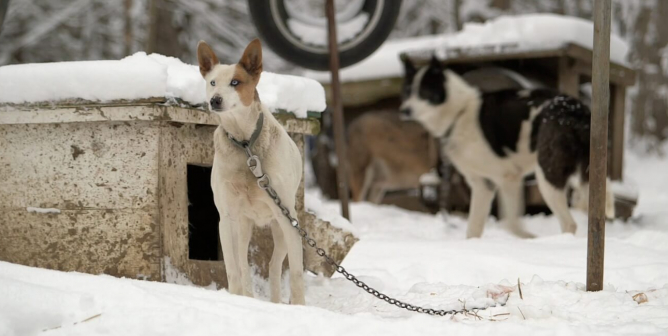
Musher Blair Braverman shows her true colors with photos of her dogs, whom she keeps chained to boxes in the snow and cold, day in and day out.
Sabra hummus lovers, rejoice: Your purchases will no longer contribute to tests in which experimenters starve, poison, and kill animals.
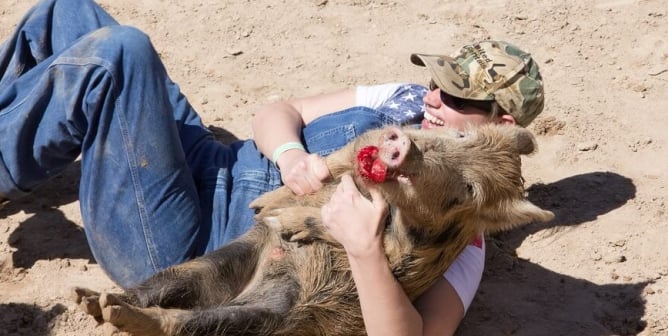
The Bandera Ham Rodeo exemplifies how speciesism causes humans to treat animals inhumanely for cheap thrills, and PETA needs your help to end it now.
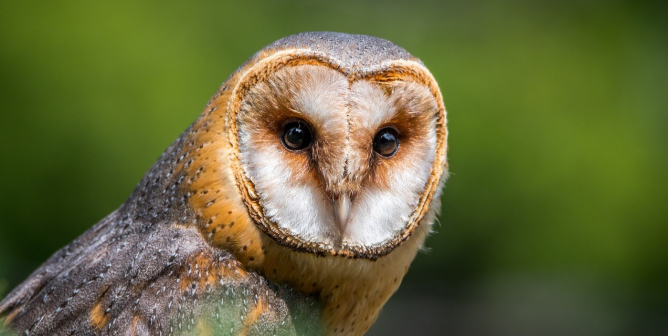
Many human activities place barn owls in danger. But there’s hope! Here are some simple things we can do to protect these interesting individuals.
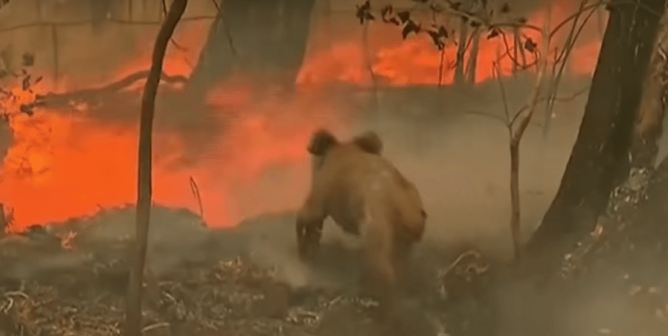
Everything about Australia’s current fate seems apocalyptic in scale. More than a billion charred, dead animals litter the land.
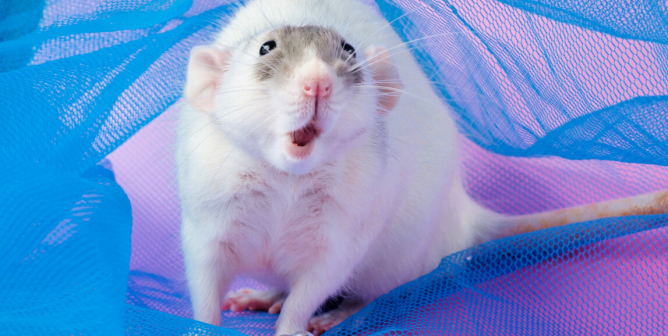
We’re starting 2020 with hope, because last year, we saved millions of living individuals who were being tormented and ultimately killed in laboratories.
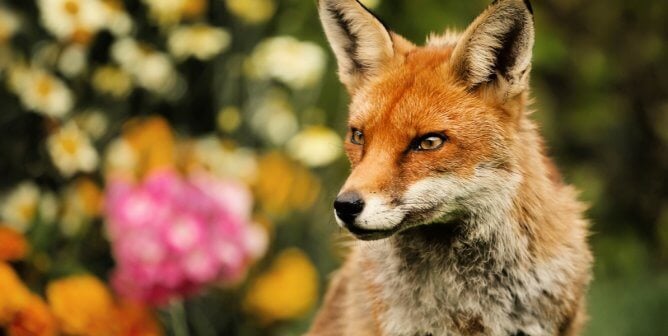
It’s a victory that was decades in the making: The Karl Lagerfeld brand—whose founder adamantly defended the killing of animals for fashion—has finally banned fur.
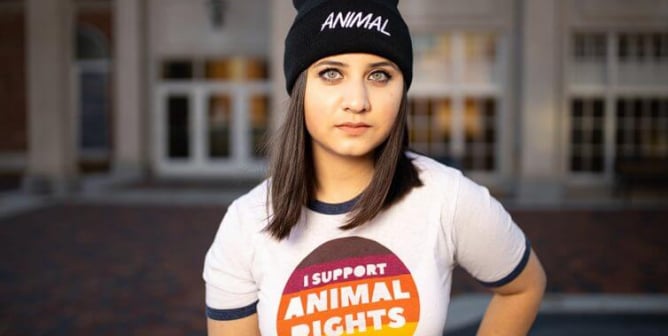
Missouri’s Truman State University has changed its policy and no longer denies groups based on the subjective viewpoints of administrators.
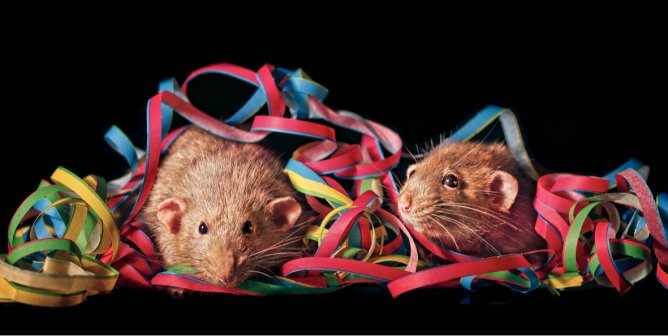
Bayer confirmed with PETA that the company is now committed to a ban on the forced swim test for all animals.

The skills that these winners develop by attending a prestigious workshop on non-animal methods will help them pioneer the use of these tests in their fields.
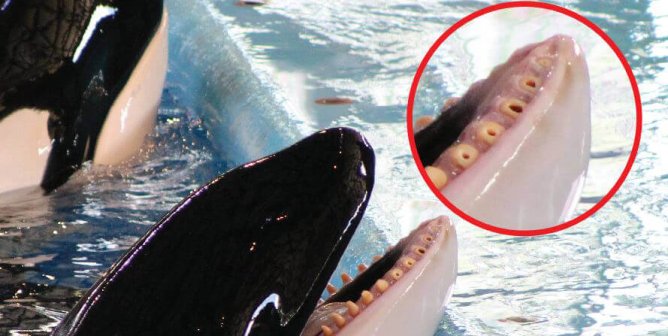
According to numerous scathing reports, every SeaWorld employee is forced to participate in the company’s conspiracy to keep its rampant abuse hidden from the public.
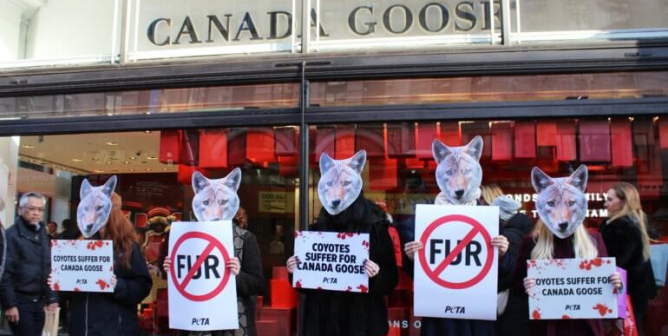
What better way to burn off all that carb-heavy, vegan Thanksgiving food than with a demonstration that tells Canada Goose it’s garbage?

