Vital Farms to Face PETA Pressure at Shareholder Meeting Over ‘Humane’ Egg Claims
For Immediate Release:
June 9, 2026
Contact:
Nicole Perreira 202-483-7382
At Vital Farms’ annual shareholder meeting tomorrow, PETA—which owns stock in the Austin-based egg-seller—will press company leadership over deceptive claims that its eggs come from “happy hens” on “certified humane” farms. The question is simple: “Given that Vital Farms’ marketing convinces consumers to pay a premium based on the impression that its hens live idyllic lives, which exposes the company to potential liability for misleading consumers, when will the company stop promoting its eggs as ‘humane’ and hens as ‘happy,’ when they are neither?”
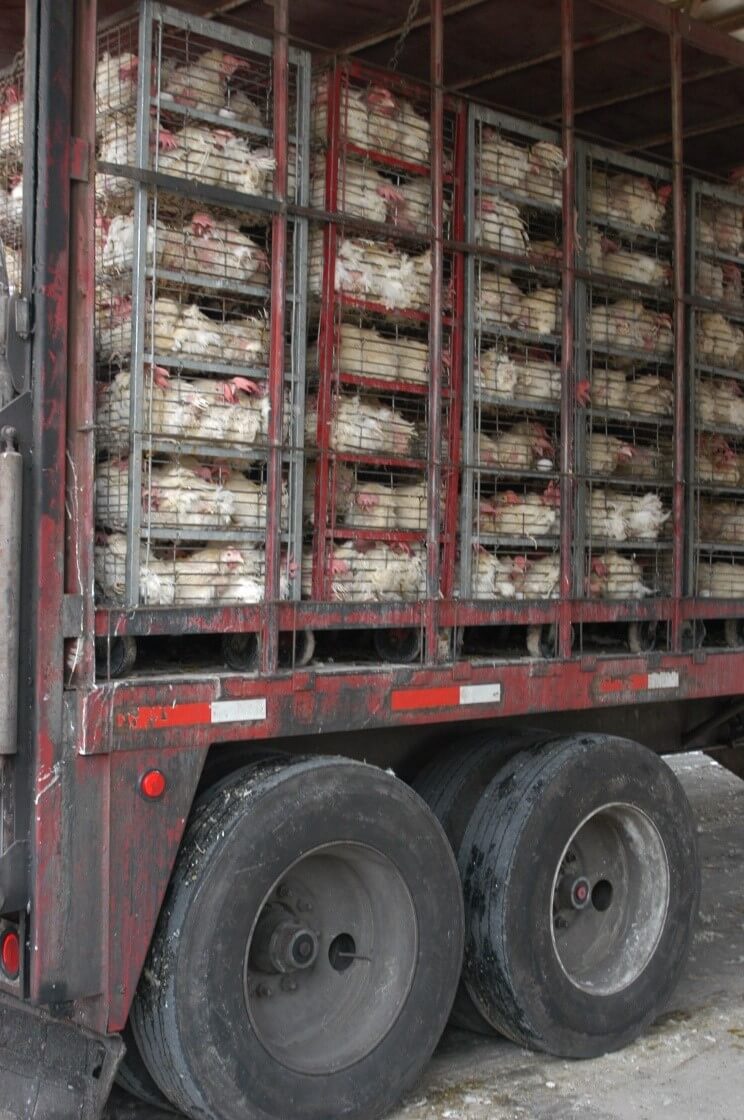
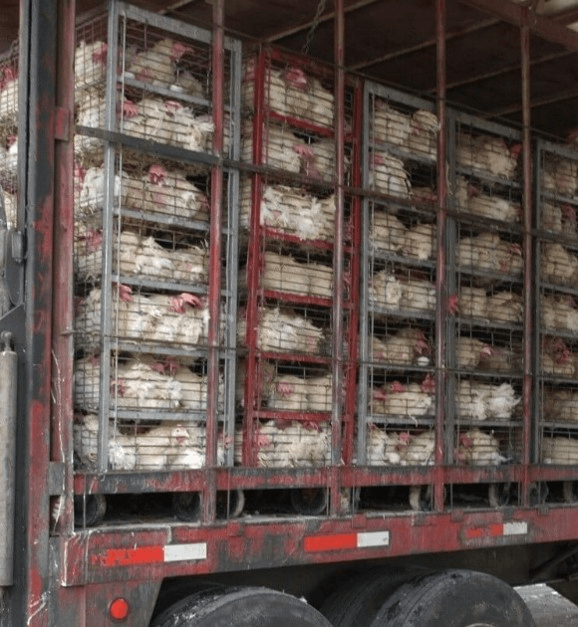
PETA’s question points to the stark contrast between the cruel industry-standard practices Vital Farms engages in and the company’s claims about where its eggs come from. Hens exploited by Vital Farms spend their first five months packed into windowless sheds before being transferred to facilities where extreme temperatures—ranging from as low as 19 degrees to as high as 95 degrees—mean they’re either outside at risk of death or kept locked indoors for much of the year, contradicting the company’s deceptive “pasture-raised” claims and marketing materials depicting hens roaming on lush grass.
The company also sources chicks from suppliers that sear off portions of hens’ sensitive beaks with a hot blade, a practice intended to prevent stressed birds from pecking one another. When egg production wanes at about 18 months old, hens are sent to slaughterhouses, where mechanized blades slit their throats—often while they’re still conscious—and many are scalded to death in de-feathering tanks. Despite this, Vital Farms claims that its eggs come from “happy hens” on “certified humane” farms.
“Shareholders deserve to know that Vital Farms is using deceptive marketing schemes about ‘happy hens’ when the reality involves mutilation, months of intensive confinement, and violent slaughter,” says PETA President Tracy Reiman. “PETA is calling on Vital Farms to stop selling fairy tales to well-intentioned consumers and reminds everyone that the only humane option is vegan.”
Chickens form complex social structures, dream when they sleep, and worry about the future, just as humans do. PETA notes that vegan egg options such as Just Egg are widely available in stores, and every person who goes vegan spares nearly 200 animals per year and reduces their own risk of cancer, heart disease, obesity, and other illnesses. PETA’s free vegan starter kit can help anyone thinking of making the switch.
PETA—whose motto reads, in part, that “animals are not ours to eat”—points out that Every Animal Is Someone and offers free Empathy Kits for people who need a lesson in kindness. For more information, please visit PETA.org or follow PETA on X, Facebook, or Instagram.
The full text of PETA’s shareholder question follows.
I have a question on behalf of PETA—People for the Ethical Treatment of Animals.
Vital Farms claims its eggs are “ethical” and come from “pasture-raised” “happy hens” who live on “certified humane” farms, but these claims are deceptive and misleading. The chickens spend the first 5 months of their lives indoors, packed into windowless sheds.
From here, they’re transferred to giant warehouses, where the company claims the hens spend their days outside. However, Vital Farms operates farms in regions with months of extreme temperatures, as low as 19 degrees and as high as 95 degrees. Chickens experience heat stress at temperatures above 77 degrees, and significant numbers die when temperatures pass 91 degrees. As a result, for much of the year, they cannot safely spend time outdoors, meaning they are either outside at risk of death or forced inside a crowded shed.
Vital Farms also uses the deceptive “Certified Humane” label. Yet, Vital Farms sources chicks from suppliers that are permitted to sear off portions of hens’ beaks using high-intensity infrared light or a hot blade. This painful practice is designed to prevent stressed birds from cannibalizing or pecking at each other, an issue that would never occur if the hens were happy, as Vital Farms claims.
When hens no longer lay enough eggs to be profitable, they are killed. At slaughterhouses, workers shackle chickens upside down before sending them through an electrified water bath intended—but often failing—to stun them. Many are scalded to death in defeathering tanks when the blade meant to slit their throats misses.
My question is this: Given that Vital Farms’ marketing convinces consumers to pay a premium based on the impression that its hens live idyllic lives, which exposes the company to potential liability for misleading consumers, when will the company stop promoting its eggs as “humane” and hens as “happy,” when they are neither?