‘Soy Is for Soldiers!’ PETA Urges Pentagon’s ‘High T’ Department of War to Ditch Milk as “Baby Food”
For Immediate Release:
July 30, 2026
Contact:
Sara Groves 202-483-7382
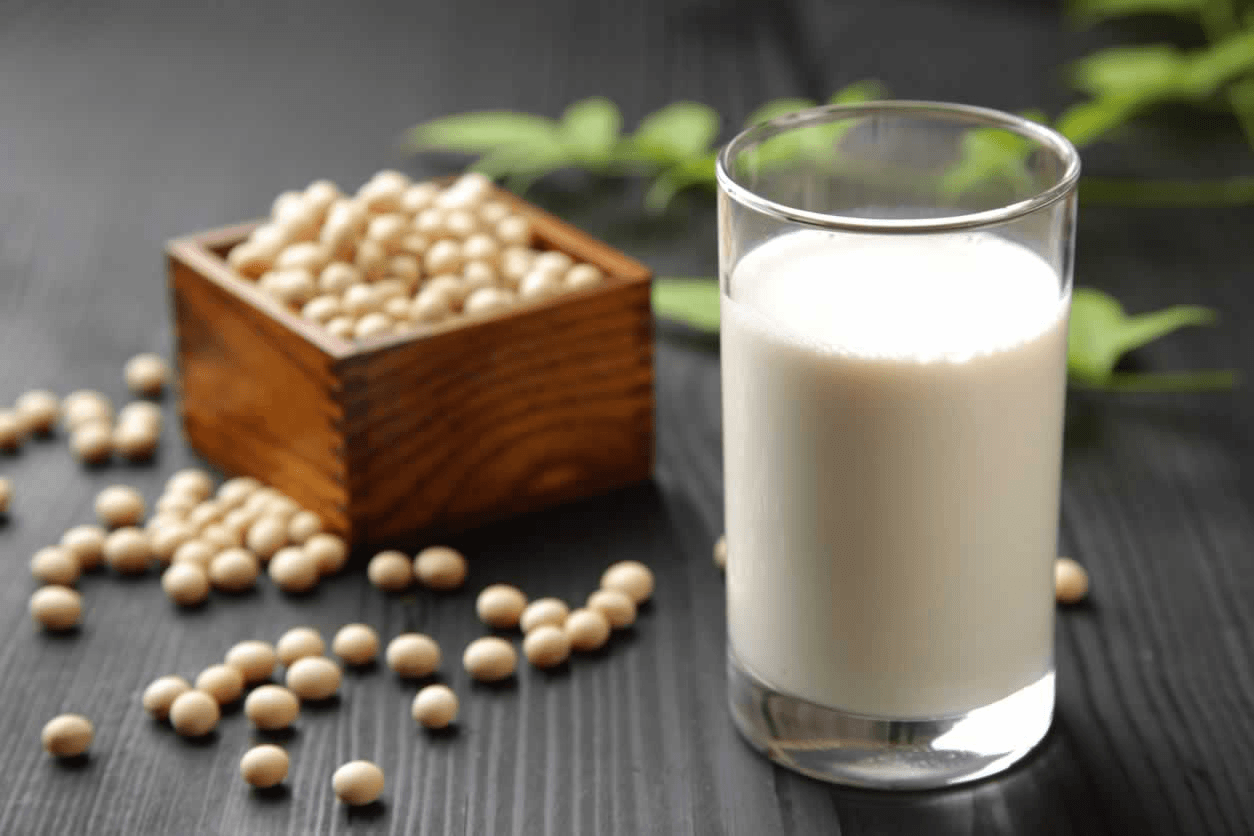
In line with the Pentagon’s pursuit of its new “High T Department of War,” PETA dispatched a letter today to Under Secretary of War for Acquisition and Sustainment Michael P. Duffey, outlining a tactical strategy for supercharging soldier strength and stamina: ditch high cholesterol, fatty dairy milk, meant to nourish calves, and switch to soy milk. To assist the transition to the battalion-boosting bean beverage, PETA stands ready to deliver crates of delicious and nutritious soy milk—made from 100% American-grown soybeans—for the Under Secretary and his designees to test.
The consumption of cow’s milk—which contains naturally occurring hormones produced by mother cows during pregnancy and is designed to nourish baby bovines—has been linked to a decrease in testosterone production, while switching to soy can help improve heart health and blood flow to organs, reduce inflammation, and lower cholesterol.
In the letter, PETA notes that protein-packed and shelf-stable soy milk is better suited for soldiers and for long-term supply storage.
“Cow’s milk is great if you’re a wobbly newborn calf, but the Pentagon doesn’t want wobbly troops, it wants combat-ready commandos,” says PETA Founder Ingrid Newkirk. “PETA aims to help the military get fit, not fat, and declare peace for cows and their calves.”
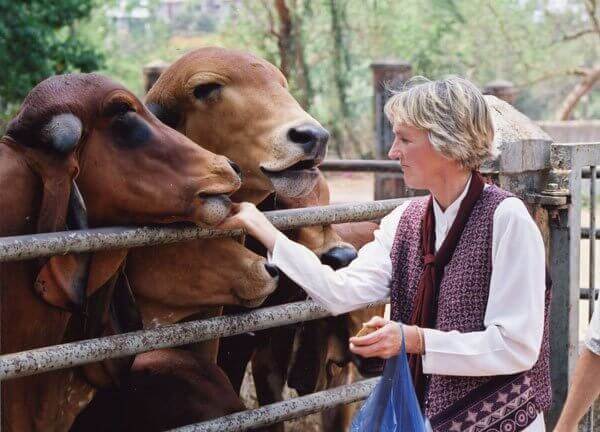
PETA notes that cows form lasting friendships—just like the tight-knit bonds forged between soldiers—and mourn when a loved one dies or when they’re separated from each other. Yet in the dairy industry, calves are forcibly separated from their mothers when they are as young as a day old so that the milk meant to nourish them can be sold to humans. Female calves endure the same sad fate as their mothers, while newborn males are routinely relegated to cramped veal crates—deliberately designed to prohibit normal muscle growth—or barren feedlots in the meat industry, where they’re subjected to painful mutilations like castration and dehorning without pain relief and slaughtered at a fraction of their natural lifespan.
Each person who goes vegan spares nearly 200 animals every year, dramatically shrinks their food-related carbon footprint, and slashes their risk of suffering from cancer, heart disease, strokes, diabetes, and obesity. PETA’s free vegan starter kit is filled with tips to help anyone looking to make the switch.
PETA—whose motto reads, in part, that “animals are not ours to eat”—points out that Every Animal Is Someone and offers free Empathy Kits for people who need a lesson in kindness. For more information, please visit PETA.org or follow PETA on X, Facebook, or Instagram.