
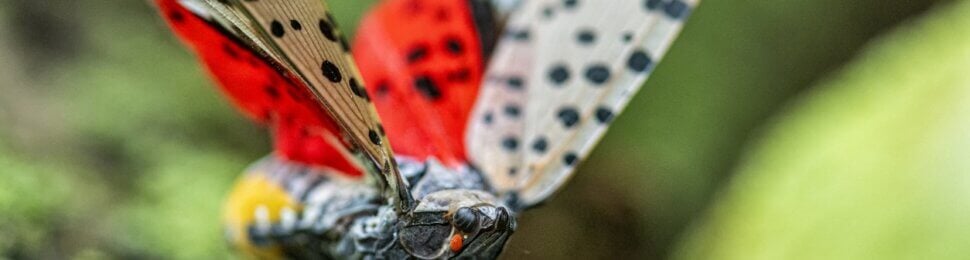
You’ve Been Told to Kill Spotted Lanternflies. Here’s Why You Should Challenge That Approach
If you’ve spent any time outdoors in parts of the U.S. lately, you’ve probably seen the signs: Kill spotted lanternflies. Some states have even encouraged residents to squash these insects on sight.
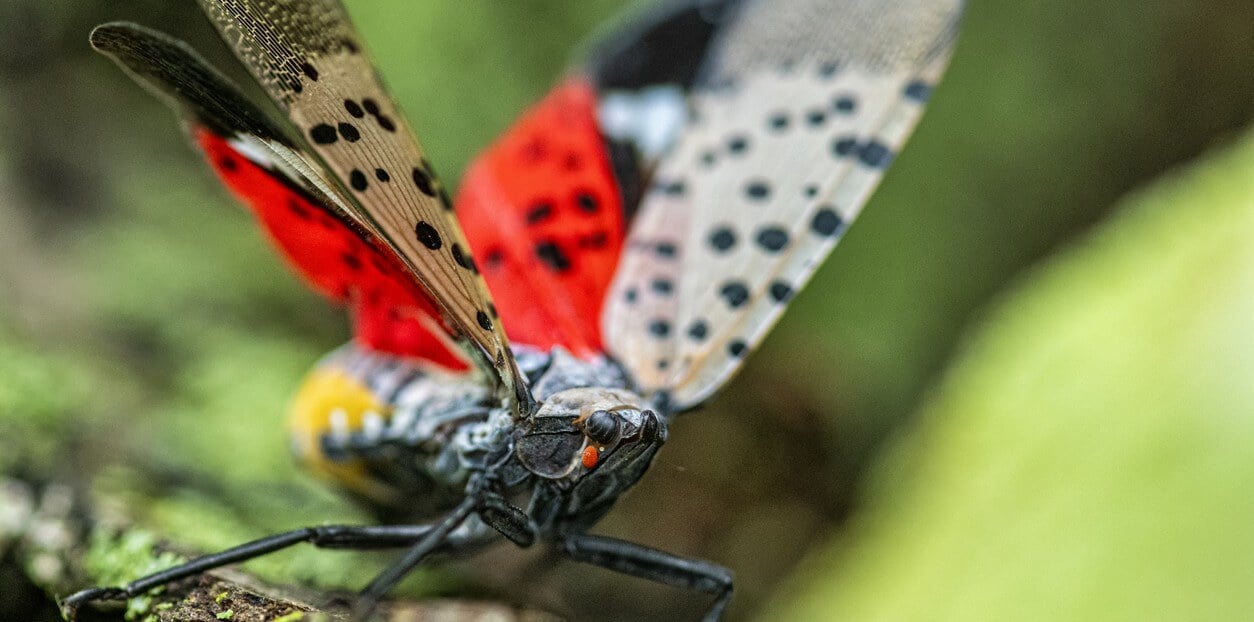
We’re challenging that message. Here’s what you need to know about spotted lanternflies, and why you shouldn’t “just squash them.”
Spotted Lanternflies Aren’t Dangerous
Spotted lanternflies don’t bite, sting, or attack humans. When they first appeared in the U.S., many experts worried that they could cause harm to crops, trees, and other plants. But some researchers now say the damage has been less severe than initially anticipated.
They Didn’t Choose to Be Here
Spotted lanternflies arrived in the U.S. because of human activity. Like countless other animals transported around the globe through trafficking or travel, they didn’t make a conscious decision to cross oceans or establish themselves in new habitats.
Yet they’re paying the price for a problem humans created.
Killing Them Won’t Make a Difference
At this point, spotted lanternflies are firmly established in many parts of the United States. As one entomologist put it, “the horse has left the barn.” In other words, they’re here to stay.
They Feel, Too
When discussions about lanternflies arise, the focus is usually on their impact on crops, trees, or the ecosystem. Far less attention is paid to the lanternflies themselves as feeling individuals just trying to survive in a world shaped by human actions.
Like countless other animals, they spend their lives searching for food, trying to avoid danger, and reproducing. In that sense, they’re not so different from the rest of us.
What We Owe Animals We Didn’t Expect to Meet
PETA has long maintained that decisions affecting animals should be approached with care, compassion, and respect. When officials respond to wildlife concerns, they should ensure that any action taken:
- Is genuinely necessary.
- Causes the least harm possible.
- Doesn’t create even bigger problems down the road.
That principle applies whether the animals involved are elephants, mice, birds, fish, or insects.
Our fellow animals don’t lose their moral value because they’re unfamiliar, unpopular, or inconvenient to humans.
The Trouble With ‘Kill First’ Thinking
Throughout history, humans have repeatedly waged war on other animals in attempts to “fix” a perceived problem. This has normalized the idea that killing is the default solution whenever wildlife conflicts with human interests.
Humans have trapped, shot, and poisoned animals deemed undesirable in efforts to reduce their numbers, yet these methods don’t provide permanent solutions. Rat-poison programs have also harmed owls, hawks, foxes, and other animals while leaving the human-created conditions that attract rats in the first place largely unchanged.
Nature is extraordinarily complex. Ecosystems aren’t usually repaired through extermination campaigns—especially when humans are responsible for introducing a species in the first place.
Compassionate solutions should always be explored before resorting to lethal measures.
Looking Beyond Species Labels
The label “invasive species” can make it easy to forget that we’re talking about living animals. We must approach these concerns with empathy and reject the assumption that someone’s life becomes worthless once a government agency labels the species undesirable.
Choose Compassion
The next time you see a spotted lanternfly, remember that this insect didn’t create the circumstances that brought them here. They didn’t choose their instincts, either. And, like all of us, they deserve consideration and kindness.
Addressing environmental challenges requires thoughtful, evidence-based solutions that minimize suffering whenever possible. Rather than encouraging violence against small, defenseless animals, we should demand approaches rooted in responsibility and respect for all individuals.
Compassion shouldn’t be reserved only for animals who are deemed popular, beautiful, or familiar.
After all, the measure of our humanity isn’t how we treat animals we like. It’s how we treat those we find easiest to dismiss.
Learn More
Text VEG to 73822 to get the latest vegan lifestyle tips, recipes, and urgent action alerts texted right to your phone.
Terms for automated texts/calls from PETA: https://peta.vg/txt. Text STOP to end, HELP for more info. Msg/data rates may apply. U.S. only.



Snakebites happen fast. Knowing what to look for can save your dog’s life.

Protect companion animals and wildlife from cold weather and winter storms by following these survival tips.

Make your Vegan Halloween Party “scary,” not scary. Tips and ideas for a fun animal-safe Halloween party!

New vegan interiors from Mercedes, Ford, BMW, Chevrolet, and others take the cruelty out of driving!