The Truth About Viral Seed Oil Rumors
There’s a lot of information about seed oils going around, but what’s the truth? According to the Cleveland Clinic, limiting added oils may benefit overall health. It’s best to cook at home as much as possible and choose foods with simple vegan ingredients. Wondering what to do when a recipe calls for oil? Here are some facts and simple swaps to consider.

What Are Seed Oils?
Seed oils are derived from the seeds of plants such as canola, corn, and sunflowers. These oils undergo a chemical process that involves bleaching, refining, and heating to make them sellable.
Are Seed Oils Unhealthy?
Seed oils are a concentrated source of omega-6 fatty acids. Omega-6 fatty acids are essential nutrients, but people can obtain them from a variety of foods, including nuts, seeds, and legumes.
What About Lard, Tallow, and Other Fats?
If you see duck fat, lard, beef tallow, or butter on menus or ingredient lists, steer clear. These are all words for fat stolen from someone else’s body.
Ducks are smart, sentient beings who enjoy relaxing on the water and foraging for food. But many of them never get to live in peace because humans exploit and kill them for their flesh, fat, and feathers.

A PETA investigation into Maple Leaf Farms—which claims to sell “humanely raised” duck meat—revealed that ducklings who were injured or sick and deemed unlikely to generate a profit were discarded into bins. They remained there, in distress, until workers carried them to another room and dumped them—while fully conscious—into a macerator, which chopped and ground their bodies up. Their remains were tossed into the trash.
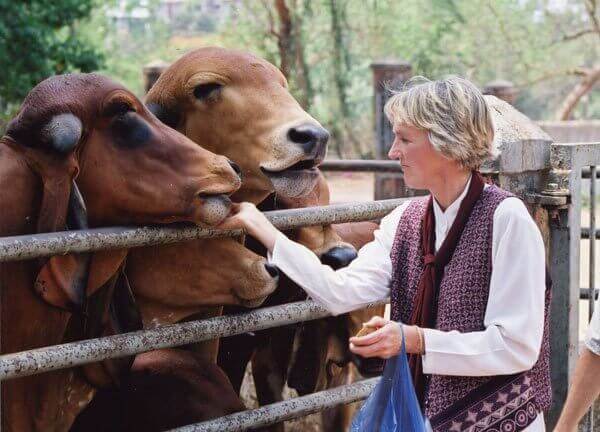
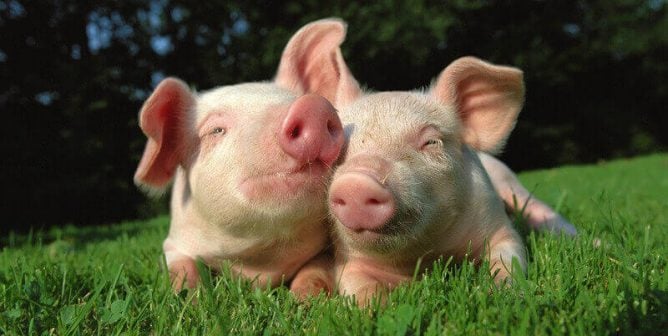
Pigs are playful, curious problem solvers. They form strong bonds with each other and with humans. Cows, also known for their curious personalities, enjoy basking in the sun with their families and friends. But on today’s farms, these individuals suffer immensely. Farmers pack them into severely crowded, filthy sheds, where they’re often forced to stand in their own waste. These animals suffer from untreated injuries and illnesses during their short lives, which are filled with constant stress and pain. Every animal is someone—not something—and none of them deserves this.

Should You Avoid Seed Oils?
Health experts agree that people can meet their nutritional needs without consuming added oils, including seed oils.
Eating foods cooked in fats heated repeatedly at high temperatures, such as in restaurant deep fryers, poses health risks, according to Guy Crosby, an adjunct associate professor of nutrition at the Harvard T.H. Chan School of Public Health.
PETA’s Tips for Reducing Oil and Other Fats
- Cooking: Use a non-stick pan like those from Made In, vegetable broth, water, or citrus juice instead of oil when sautéing, stir-frying, or roasting.
- Baking: Replace some or all of the oil in muffins, cakes, brownies, and quick breads with unsweetened applesauce, mashed banana, or pumpkin purée.
- Creamy sauces and dressings: Blend silken tofu, white beans, or aquafaba (the liquid from canned chickpeas) for a rich texture without added oil. Lemon, lime, or orange juice can add moisture and brightness to dressings, marinades, and some cooked dishes.

Check out some of our favorite low-fat, low-calorie recipes. Every meal that leaves animals off the plate is a step toward a more just world for everyone. And remember: the better you care for yourself, the more you can do for animals.
As an Amazon Associate, PETA earns from qualifying purchases. If you buy something after clicking the Amazon links on this page, a percentage of the qualifying purchase will be donated to PETA and help us protect more animals from exploitation.
Text VEG to 73822 to get the latest vegan lifestyle tips, recipes, and urgent action alerts texted right to your phone.
Terms for automated texts/calls from PETA: https://peta.vg/txt. Text STOP to end, HELP for more info. Msg/data rates may apply. U.S. only.



Planning a Friendsgiving? Here’s your guide to easy menu ideas, allergy-friendly swaps, meaningful traditions, and simple ways to share vegan joy with your chosen family.

PETA is celebrating the spots making Oktoberfest more compassionate with delicious vegan sausage options that spare pigs and satisfy your taste buds.
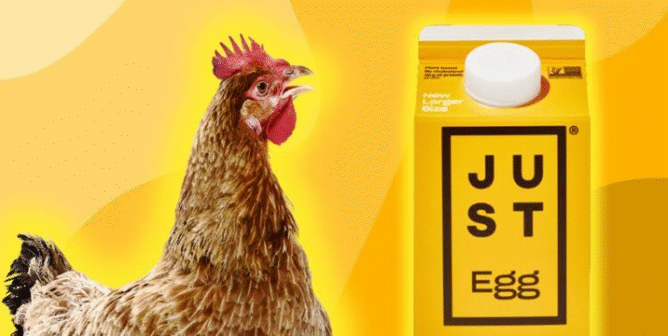
Just Foods’ latest Just Egg upgrade is fluffier, creamier, and more versatile than ever. Put it to the test with these delicious recipes.
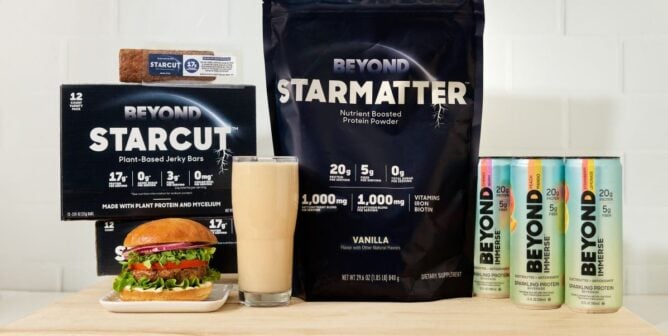
The company once known for vegan burgers is betting that the future is protein, protein, and more protein.